

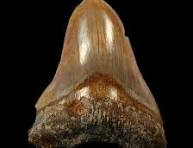
The largest megalodon tooth ever recorded measures an astonishing 7.48 inches in slant height. This fossil is more than a measurement. It represents one of the most powerful predators to have ever lived and sets a clear benchmark for collectors worldwide. Buyers use that size as a frame of reference when evaluating fossils. They seek teeth that approach the record, especially those that remain well preserved. As a result, the fossil market continues to place high value on teeth that not only show size but also maintain structure and authenticity.
Why Does the Largest Megalodon Tooth Ever Still Matter?
Fossil collectors understand that size connects directly to history. A megalodon tooth over six inches signals rarity, while anything above seven inches enters elite territory. These teeth come from anterior jaw positions, where the largest and most iconic specimens develop. Collectors associate larger teeth with the full strength and size of the animal itself, often visualizing sharks that reached lengths over fifty feet.
This desire goes beyond display. It comes from a deep interest in owning a piece of nature that once ruled the ocean. That emotional link keeps buyers searching for prominent, museum-grade examples.
Preservation and Condition Influence Decisions
Collectors value condition as highly as size. A large tooth holds interest, but only when it maintains key features that support its structure and visual appeal. Buyers focus on:
● Sharp and intact serrations along both edges.
● A complete root with no signs of damage or filler.
● Natural color that reflects the location of origin.
● Enamel that shows gloss, clarity, and little to no wear.
Even teeth close to the record in size can lose appeal if they lack these qualities. In contrast, a slightly smaller tooth with strong preservation and color can attract more serious interest. The fossil currently featured on our site shows a natural dark surface with complete enamel and excellent root structure, offering the traits that seasoned buyers consistently seek.
Verified Size Sets a Clear Benchmark
The 7.48-inch specimen acts as a constant reference point for buyers. It gives collectors a reliable way to measure other finds. Without that benchmark, comparisons stay vague. But with a recorded top size, buyers know exactly where a tooth falls in the upper tier.
They begin their evaluations with size, then move into preservation, origin, and appearance. When a fossil shows qualities similar to those of the record holder, it becomes a serious contender. That clear path from curiosity to action keeps the record-setting tooth relevant, even as new finds surface.
Distinction Between Common and Premium Teeth
Megalodon teeth appear across many fossil sites, but only a small number show both size and completeness. Most specimens measure between three and five inches. These are more common and typically show some wear. A smaller group includes teeth over six inches. Still, only a few from that category maintain sharp detail and strong preservation.
Collectors now recognize this difference. They avoid teeth that show excessive damage or signs of overwork. Instead, they focus on quality, knowing that it brings long-term satisfaction and holds market value over time.
Key Qualities That Add Buyer Confidence
Buyers look for specific features that confirm a tooth’s value. These include:
● Teeth that display symmetry from base to tip.
● Specimens sourced from known fossil beds, such as those in West Java.
● Minimal to no restoration, with visible natural texture.
● Depth of color that adds aesthetic and collector appeal.
The specimen featured in our collection meets these expectations. It shows a solid root, good enamel, and a rich dark finish. These traits match what buyers look for when making high-confidence purchases.
Buyer Knowledge Has Evolved Over Time
Today’s collectors enter the market with more understanding than ever before. They no longer rely on vague size claims. Instead, they compare against known benchmarks and assess fossils based on structure, history, and origin. They also see the difference between river and land finds, and understand how environmental factors impact preservation.
This shift toward educated buying means sellers must present more than surface appeal. They must provide full measurements, note any restorations, and present clean photos that showcase the tooth’s true features. When a fossil like ours reflects those standards, buyers respond with interest and trust.
Serious Collectors Shape the Market
Experienced collectors often drive trends in the fossil world. They set pricing expectations and shape how quickly specimens move. These individuals do not make impulse decisions. They assess each fossil for integrity and visual appeal, and compare it to the largest megalodon tooth ever found.
They also bring repeat demand. When they find a source that consistently offers reliable, well-preserved teeth, they stay connected. This relationship benefits both buyers and sellers, as it creates an exchange built on shared appreciation and mutual respect for prehistoric material.
Quote From a Collector’s Perspective
"Buyers never forget the first time they see a giant megalodon tooth up close. But what keeps them coming back is the rare combination of size and condition. That is what defines a true collector’s piece."
— Cole Weaver, Private Collector, 2022
Myths and Facts That Shape Buyer Beliefs
Myth: Any tooth over six inches qualifies as extremely rare.
Fact: Size matters, but rarity depends on preservation, completeness, and source location.
Myth: Large teeth always require heavy restoration.
Fact: Some specimens, especially from regions like Indonesia, appear naturally well preserved.
Myth: Modern buyers care only about length.
Fact: Size matters, but buyers prioritize full enamel, root strength, and visible features.
The Value of the Current Specimen
The fossil featured on our site embodies the qualities buyers most seek. While it does not surpass the record, it shares many traits with top-tier specimens. The tooth presents with strong preservation, rich coloration, and an impressive size, placing it among valuable finds. It offers collectors a piece that balances size, structure, and history. Buyers searching for integrity and appeal find confidence in this fossil. It represents what a serious collection should include natural preservation, clean lines, and historical weight without compromise.
Final Thoughts
The largest megalodon tooth ever discovered continues to guide buyers as they navigate the fossil market. It stands as a symbol of rarity, power, and preserved prehistoric life. Collectors use its size to set their expectations and evaluate new finds. They no longer settle for average. They seek fossils that closely match the record in both size and preservation. That mindset keeps the market dynamic, informed, and driven by quality. When a tooth carries the right balance of features, it doesn’t just get noticed. It earns a place in someone’s lifelong collection.






