Buying a fossil for the first time should feel exciting, not uncertain. For new collectors, choosing the right Megalodon tooth often raises questions about what’s real, what holds value, and what to avoid. The truth is, many beginners struggle to tell the difference between a genuine fossil and a replica. My First Megalodon exists to solve that problem by offering a real, entry-level specimen that gives collectors a trustworthy place to begin. This guide explains exactly what to look for, what to avoid, and how to start your fossil journey the right way.
Which Traits Define My First Megalodon?
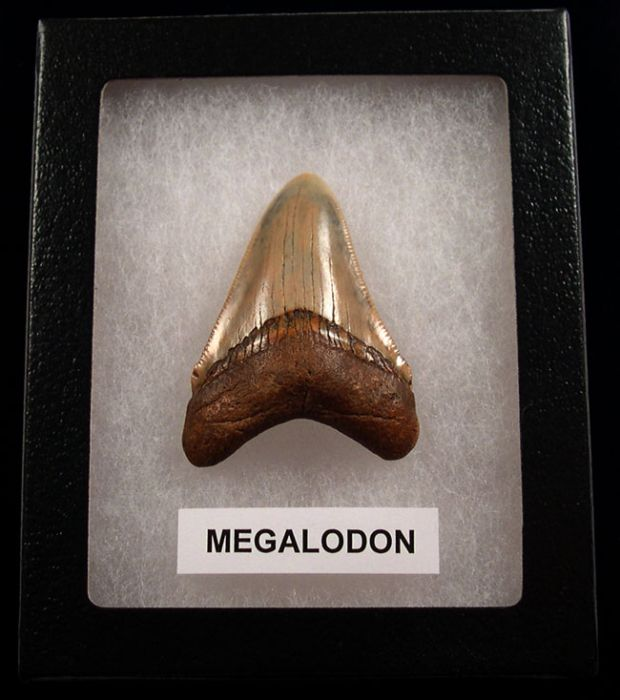
You do not need expert tools to recognize an authentic Megalodon tooth. You need to slow down and examine a few clear signs. First, check the edges for visible serrations. These small notches once helped the Megalodon rip through prey and still appear on well-preserved fossils. Next, study the enamel. Authentic enamel feels dense and shows natural texture. You may see cracks or slight layering. The root should not appear too smooth or glossy. Fossils with perfect shapes or high polish often signal replicas. Look for irregularities that reflect age and pressure, not factory-perfection.
Choose Structure and Completeness Over Size
Many beginners focus too much on tooth size. While larger teeth may look impressive, they often come with damage, missing roots, or signs of over-restoration. A well-formed three or four-inch tooth usually offers the best combination of affordability, structure, and quality. You should prioritize a complete root, clear-cutting edges, and overall symmetry. A strong first fossil shows you what to expect from authentic pieces and helps you understand what matters most. You can always explore bigger specimens later, but your first one should set a standard you can learn from.
Avoid Common Buying Mistakes
First-time buyers often feel unsure about how to judge a fossil. That makes it easier to fall into traps like overpaying or trusting vague listings. You can avoid common mistakes by paying close attention to a few red flags:
● No mention of where the tooth was found.
● Photos that hide the root or only show one angle.
● Teeth that appear overly polished or perfect.
● Listings that use general language without precise fossil details.
You do not need to rush your decision. Taking the time to ask questions and study the product will help you make a brilliant first choice.
Know the Importance of Tooth Origin
Every Megalodon tooth carries part of its value through where it was found. Responsible sellers include the fossil’s location in the description. This detail helps verify authenticity and connects the tooth to a specific time and place in prehistoric history. Some teeth come from riverbeds, others from coastal cliffs or marine deposits. Color and texture often reflect the environment. For example, darker shades may indicate river exposure, while lighter colors suggest marine sediment. If a listing does not share the tooth’s origin, that lack of information should concern you. A real fossil carries a real story.
Why Authentic Texture and Color Matter?
You can learn a lot by looking at the tooth's surface. Natural fossils often exhibit layered coloration, reflecting the deposition of minerals over time. These layers may range from dark grey to light tan or even blue hues in rare cases. The enamel should have a matte or weathered finish, not a plastic-like shine. You should see slight roughness along the edges and base, not machine-like smoothness. When in doubt, compare it to images of verified fossils and notice the texture, shape, and flaws. Real fossils hold their imperfections with pride.
Benefits of Starting with a Ready-to-Collect Specimen
If you're unsure where to begin, start with a tooth already prepared for collectors. My First Megalodon gives you that option without confusion. This offering features the essential traits of a real fossil and fits comfortably within an entry-level price range. You can use it to learn the basics of identification, handling, and care. This approach removes the guesswork and replaces it with a foundation you can trust. Instead of learning by trial and error, you begin your journey with confidence and a fossil worth displaying.
How to Display and Protect Your Tooth?
Once you choose your first tooth, think about how you will display it. A thoughtful setup not only highlights its beauty but also keeps it safe. You can:
● Place the tooth in a glass case or on a small wooden stand.
● Label the fossil with its size and place of discovery.
● Add it to a shadow box with other natural objects.
● Use indirect lighting to enhance the natural texture.
Displaying your fossil turns it into a conversation piece and a visual reminder of prehistoric life. Proper care keeps it preserved for years to come.
Learn Through Observation and Comparison
A single fossil can teach you more than pages of research. Once you have your first specimen, spend time studying its shape, color, and structure. Then compare it to other verified fossils to see what makes each one unique. You may notice slight differences in serration sharpness, enamel pattern, or root completeness. These comparisons help you train your eye. Over time, you build a deeper understanding of what authentic fossils look like and what separates a good specimen from a questionable one. That knowledge becomes the most valuable tool in your collection.
Facts That Clear Confusion
Myth: All real fossils look shiny and smooth
Fact: Authentic teeth often show roughness, cracks, and color layering
Myth: Bigger teeth always carry more value
Fact: Smaller, well-preserved teeth can hold more lasting worth
Myth: Any tooth labeled Megalodon is real
Fact: Some teeth are casts or replicas made from molds
Final Words
A well-chosen fossil gives you more than just a display piece. It sets your foundation for collecting with intention. You learn what traits to focus on and what red flags to avoid. From there, you can explore different sizes, colors, or even other prehistoric species. But it all starts with one. A complete and natural tooth shows you the value of real preservation. It helps you grow into the collector you aim to become. That is why selecting a trusted piece like My First Megalodon makes your first step count.