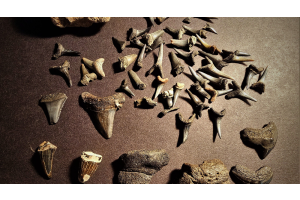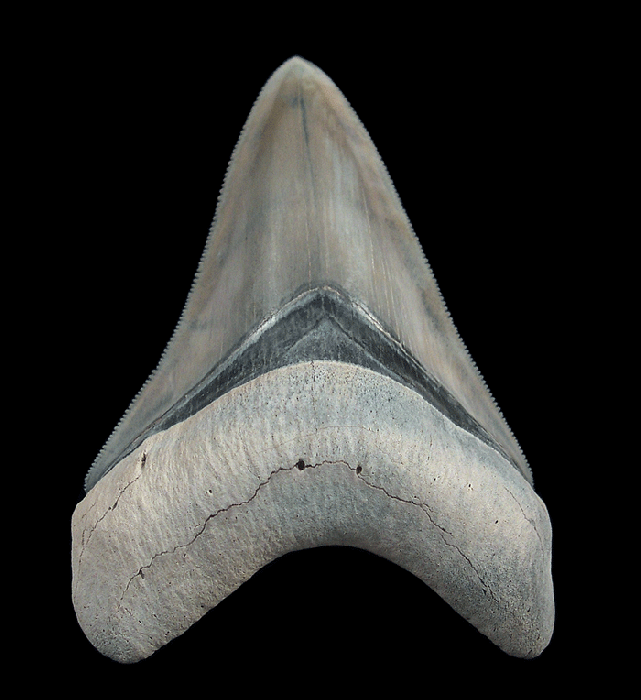
Color in fossilized teeth serves as more than a visual feature. For collectors and fossil enthusiasts, it provides clear clues about a fossil’s condition and its origin. This becomes essential when identifying Otodus megalodon in Bone Valley specimens. The fossils found in this region display distinct traits, and color stands out among them. These tones help confirm authenticity, set expectations for value, and allow collectors to identify high-quality fossils from this historically significant location.
What Does Fossil Color Reveal About Otodus megalodon in Bone Valley?
Bone Valley preserves marine fossils with remarkable clarity. This region developed during the Miocene and Pliocene periods and contains phosphate-rich sediments. As prehistoric marine life settled into this soil, their remains absorbed minerals, altering their structure and color. Over millions of years, this process led to fossilized teeth that now display light beige, gray, pale blue, and tan hues. These shades reflect the local conditions that shaped them and help experts confirm whether a tooth came from Bone Valley.
Each color variation represents a unique interaction with the surrounding sediment. Unlike darker fossils from other areas, Bone Valley teeth usually remain lighter due to the lower iron content in the soil. These tones are not only natural but also meaningful. When combined with strong preservation markers, such as defined serrations and solid root structures, fossil color confirms the fossil’s geographic and geological background. Buyers who recognize these signs can make better decisions when adding to their collections.
Bone Valley Fossil Traits That Add to Their Value
Collectors value more than just appearance. They pay close attention to both the color and structural integrity of each tooth. Authentic Bone Valley specimens often show a slight variation in tone between the blade and the root. This occurs because enamel and dentin absorb minerals at different rates. Under natural light, this difference becomes noticeable, reflecting a slow, undisturbed fossilization process. Any glossy or uniform finish may signal restoration.
Visual markers that help confirm authenticity include:
● Tones such as light cream, tan, or pastel gray that align with phosphate preservation
● Smooth color changes between the top and base of the tooth.
● Natural texture that avoids unnatural shine or over-polished surfaces.
These traits offer more than proof of origin. They allow collectors and researchers to understand the conditions that existed during the megalodon’s time. Many smaller Otodus megalodon teeth found in Bone Valley suggest the region may have once served as a nursery habitat. Their sizes, along with their degree of preservation, support this theory and lend greater significance to each fossil recovered there.
Color and Preservation Combined Define Authenticity
Color alone does not determine value or authenticity. When viewed alongside other preservation signs, it becomes much more helpful. Collectors who study Otodus megalodon in Bone Valley often rely on both color and structure to form a complete judgment. Teeth that display intact serrations and clean edges, along with the expected color tones, stand a stronger chance of being untouched. This connection between color and structure provides more substantial evidence for those seeking genuine Bone Valley pieces.
The Impact of Natural Color on Market Value
The market often rewards pieces that show rare or attractive colors. Shades like light blue or cream are less common but highly desirable. Because Bone Valley fossils come from a region with restricted access, fewer specimens enter circulation today. This rarity adds weight to color as a value marker. Buyers who learn to spot these colors early gain an advantage when selecting fossils for their collections or resale opportunities.
Evaluating Color While Avoiding Restoration Pitfalls
Color becomes especially helpful when trying to avoid restored or altered fossils. Artificial treatments can create an illusion of authenticity, but they usually leave behind signs. Uneven shades, surface gloss, or filler near the root area often point to modification. Authentic Bone Valley teeth maintain an even tone across the entire surface and have a soft, matte finish. These signs allow experienced collectors to make better judgments without needing third-party verification.
Use these practical checkpoints when assessing a fossil:
● Study the color under natural light to confirm depth and consistency.
● Feel the texture and avoid specimens that seem overly smooth or coated.
● Check for unnatural lines or contrast near the base that suggest repairs.
Common Myths About Fossil Color and the Facts That Correct Them
Myth: Darker teeth always carry more value.
Fact: Lighter tones in Bone Valley fossils often show better preservation and regional origin,
Myth: Color only affects appearance.
Fact: Natural color results from prolonged exposure to minerals in sediment, helping confirm location and authenticity.
Myth: All Bone Valley teeth show the same appearance.
Fact: Natural variation exists, but the patterns remain consistent within the region’s soil composition.
Final Words
These fossils do more than display size or ancient origins. They reflect the history of their environment through both structure and tone. The subtle color differences in Otodus megalodon teeth from Bone Valley provide evidence of place and a preservation timeline. Each piece shares information about the conditions in which it formed, the minerals it encountered, and the path it took to reach collectors today.
We offer Otodus megalodon specimens from Bone Valley that exhibit these natural characteristics. Each fossil presents clear evidence of origin, structure, and preservation. When you evaluate the color, texture, and anatomy together, you can confidently select fossils that carry real value and scientific interest.