Collectors often seek fossils that carry true geological history. If you examine a tooth marked as Copper Red Site, you deserve confidence in your choice. Natural mineralization and authentic wear give a tooth value that restoration cannot match. Specimens of Otodus megalodon in Copper Red Site collections often display these prized features, making them highly desirable among experienced fossil buyers. In this guide, you will learn how to spot real features and avoid altered specimens. By careful observation, you can distinguish genuine specimens and make more informed purchasing decisions before adding to your collection.
What Makes Otodus Megalodon in Copper Red Site Teeth Unique?
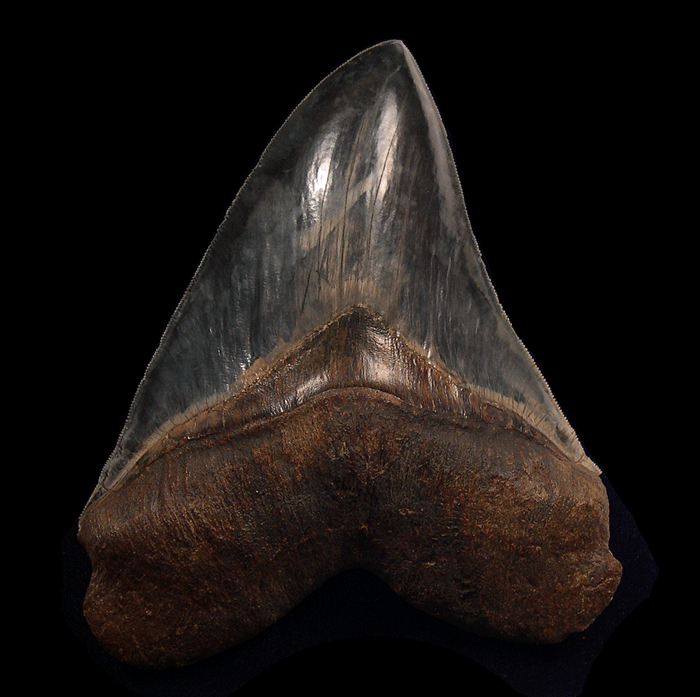
Teeth labeled Copper Red Site come from a region known among fossil hunters for producing deeply colored enamel. The iron-rich sediment from that deposit seeps into the fossil over millennia, giving the enamel a distinctive reddish hue that no modern dye can replicate. Collectors prize these pieces for their origin and rarity. When a tooth retains its original enamel tone, root texture, and edge wear, you hold a genuine record of prehistoric life. That provenance sets these teeth apart from ordinary shark teeth and adds real value.
Recognizing Natural Texture and Color
Start your inspection under natural light. Authentic enamel displays subtle sheen and mineral striations that shift as you rotate the tooth. The root area often has a slightly gritty feel due to the infusion of preserved sediment. Natural wear near the serrations shows as soft, uneven edges rather than clean, carved lines. Genuine roots show subtle color variation from deep brown to reddish tones where iron content accumulated. These traits result from natural fossilization, not human treatment. A tooth showing these signs is likely to have remained untouched since its discovery.
Inspection Steps You Can Use at Home
You do not need special tools to check authenticity. Use only light, touch, and sound:
• Place the tooth under daylight and turn slowly to watch how the enamel catches light. A natural specimen reveals layered color and soft transitions.
• Tap gently on a solid surface. Natural fossil material produces a firm, sharp tone. Fillers or restorations often sound dull or muted.
• Run fingertips along the root and bourlette where enamel meets root. Natural surfaces feel granular or slightly rough. A smooth plastic feel often means restoration work.
These steps allow you to weed out apparent alterations before you consider price or display value.
Signs That Suggest Restoration
Restorers sometimes attempt to recreate missing parts. Rebuilt roots may exhibit an overly smooth texture, uniform color, or a glossy finish. Serrations may look identical or re‑carved instead of naturally worn. Enamel coatings may shine under light without revealing mineral layering. If you notice abrupt shifts in tone between root and enamel, overly perfect edges, or a waxy feel in certain areas, treat the piece as suspect. Always ask sellers if any work has been done and request detailed photos of the root, edge, and bourlette zones before purchase.
Why Authentic Condition Matters to Collectors?
Collectors and museums value natural preservation over cosmetic finishes. Authentic wear, color depth, and subtle imperfections show a fossil’s journey through geological time. Specimens of Otodus megalodon in Copper Red Site often reflect these traits, making them highly respected in both scientific and collector communities. Such pieces hold provenance, scientific interest, and long-term value. Restored teeth may look impressive now, but they often lose credibility among serious buyers. Untouched specimens rarely require explanations. Their flaws tell the real story. Choosing natural conditions helps maintain integrity in your collection and supports responsible fossil ownership.
Key Collector Criteria for Copper Red Site Teeth
Collectors often look for these features when judging a tooth:
• Depth and consistency of the copper tone across the crown and root.
• Natural root texture that matches surrounding sediment coloration.
• Enamel showing mineral layering rather than smooth gloss under light.
• Serrations with irregular wear that reflect natural aging and water erosion.
• Seamless transition between enamel and root around the bourlette area.
If most of these traits appear, the tooth likely remains untouched. If many traits seem inconsistent, restoration may have taken place.
Questions to Ask Before You Buy
When evaluating a specimen, always ask the seller clear, direct questions. Ask if the root received any filler material or repair. Ask whether serrations received re-carving or sharpening. Request close‑up photographs under natural light showing enamel texture, root structure, and bourlette detail. If the seller hesitates or refuses, treat the listing with caution. A trustworthy dealer will answer openly. Your questions help ensure that you receive a fossil that matches the description.
How Your Judgment Improves With Experience
As you examine more teeth, you sharpen your eye for authenticity. With each inspection, you learn how genuine coloring behaves under light and how real fossil texture feels under fingertips. You begin to recognize natural variation that restoration cannot replicate. Over time, your confidence grows, and you rely less on external opinions. By trusting your own judgment, you reduce risk and build a collection grounded in real history rather than artificial fix-ups.
Final Thoughts on Real Specimens Over Enhanced Looks
Restored teeth may look clean and complete, but they lose part of their story. Fossils from the Copper Red Site carry millions of years of Earth's history in every enamel band and root pattern. Many examples of Otodus megalodon in Copper Red Site collections clearly show this geological legacy, offering visual and tactile proof of their authenticity. Natural wear, subtle erosion, and mineral patina tell the story of the journey from prehistoric sea floor to present-day shelf. When you learn to read these signs, authenticity becomes clear. Trust nature over polish and invest in a piece that holds its origin. Any serious collector values integrity.
In future searches for a Copper Red Site tooth, keep this guidance in mind. Look for mineral depth, scrutinize roots and edges, and ask the right questions. You want a tooth that speaks of ancient oceans, not modern restoration. That sensitivity protects your collection value and honors what each fossil truly represents.