

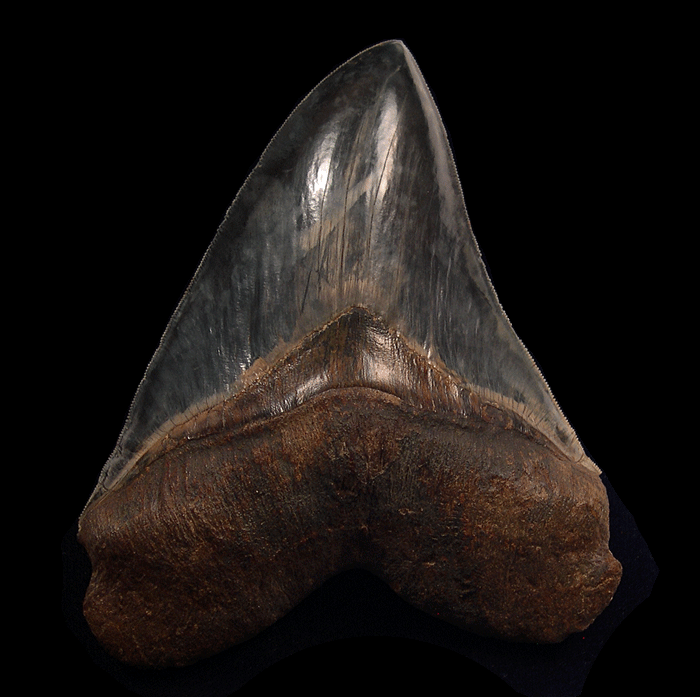
Shoppers often explore Megalodon teeth with one main goal in mind. They want to understand how value forms and what makes one fossil worth more than another. The megalodon tooth price depends on several clear, visible traits. These include size, condition, color, origin, and overall preservation. Serious collectors and first-time buyers both want fair pricing and honest detail. This guide will show you how prices are determined and what to look for before you add a Megalodon tooth to your collection.
Size Plays the First and Most Visible Role
Every fossil collector notices size first. Larger teeth draw attention because they are harder to find in complete form. Small teeth under four inches usually come at an accessible price. Teeth over five inches in length with clean features fall into a higher range. Once a tooth reaches six inches, it enters a new level of rarity. These specimens appeal to buyers looking for standout pieces. Size alone does not confirm value, but it provides the most precise starting point for judging what a tooth might cost.
Condition Defines the Worth of Each Fossil
Condition tells you whether the tooth held its shape over time. Buyers look at the enamel, edges, root, and tip. Sharp serrations, smooth enamel, and a complete root raise the value. Any chips, cracks, or missing material reduces the price. Some sellers repair damaged teeth, and when clearly disclosed, that is acceptable. However, most collectors seek natural, unrestored pieces when possible. A smaller tooth in excellent condition can be worth more than a larger one with flaws. Condition turns size into something meaningful.
Color and Origin Shape the Buying Experience
Each Megalodon tooth carries unique color patterns based on the minerals in the soil where it rested. Colors range from dark grey and brown to tan and even blue-toned shades. Collectors often prefer teeth with richer and more distinct color contrast. Origin also matters. Some regions produce fossils that preserve better over time. Teeth from specific river systems or coastal layers tend to show stronger mineral quality and structure. Color does not drive value on its own, but it increases interest when paired with size and preservation.
Authenticity and Transparency Strengthen Buyer Confidence
Every buyer wants to know they are holding a real piece of history. Authentic Megalodon teeth display natural surface textures, layered enamel, and proper mineral density. Some pieces may undergo cleaning or minor restoration. That is normal and acceptable when the seller clearly shares that information. Since authenticity directly affects megalodon tooth price, buyers should stay cautious around teeth that appear overly smooth, glossy, or polished without context. A genuine fossil tells a story through minor imperfections. The best sellers respect that and communicate what has been done to each tooth.
General Price Ranges Buyers Should Expect
Market trends reveal clear patterns in pricing. While no two fossils match exactly, these ranges help set realistic expectations:
● Teeth under four inches, with visible wear, often range between eighty and one hundred fifty dollars.
● Fossils between four and five inches, in better condition, usually cost around two hundred to six hundred dollars.
● Premium teeth over five inches, with strong preservation, start at around eight hundred dollars.
● Exceptional specimens over six inches, with no significant flaws, can reach into the thousands.
These numbers vary by condition, origin, and visual appeal, but they provide a reliable baseline.
Key Details Buyers Should Check Before Purchasing
Before you buy any Megalodon tooth, you should evaluate it step by step. Focus on what directly affects value and long-term satisfaction. Use the list below to guide your review:
● Measure the length from the root to the tip.
● Inspect the enamel for cracks or missing sections.
● Check the tip for rounding or breakage.
● Look at the root for any gaps or repairs.
● Examine the edges for remaining serrations.
● Ask whether any part has been filled or restored.
This process ensures that you purchase with awareness, not assumption. Every great collection starts with informed choices.
Market Trends That Influence What You Pay
As time passes, the number of well-preserved Megalodon teeth available continues to shrink. Fewer discoveries enter the market each year due to tighter site restrictions and natural scarcity. Collectors and sellers both feel this change. Today, buyers pay more for clean, whole specimens, especially those over five inches. As supply decreases, demand continues to rise. Those looking to build collections often choose to buy sooner rather than later. These trends reflect real-world shifts, not speculation, and help guide more brilliant purchase timing.
Buyer Mistakes That Can Affect Long-Term Value
Even experienced buyers sometimes focus too much on one trait while ignoring others. You might feel tempted to buy the largest tooth within your budget, unaware that it lacks root structure or original enamel. Others buy based on color without asking if the piece was polished or altered. Price alone never defines a good deal. You must weigh all the elements together. When in doubt, ask more questions. A seller who offers clear answers and accurate photos usually shows the kind of professionalism that builds lasting trust.
Final Thoughts for Collectors and New Buyers
If you plan to purchase a Megalodon tooth, remember that value does not rest solely on size. You must understand how condition, color, origin, and preservation come together. Each of these factors plays a direct role in determining megalodon tooth price, which can vary widely across the market. When you use a straightforward process to evaluate each fossil, you remove the guesswork and buy with more certainty. We offer a range of fossils across different sizes and price points, each one chosen for quality and transparency. Whether you collect for history, display, or long-term value, the right piece always starts with the proper knowledge.






