

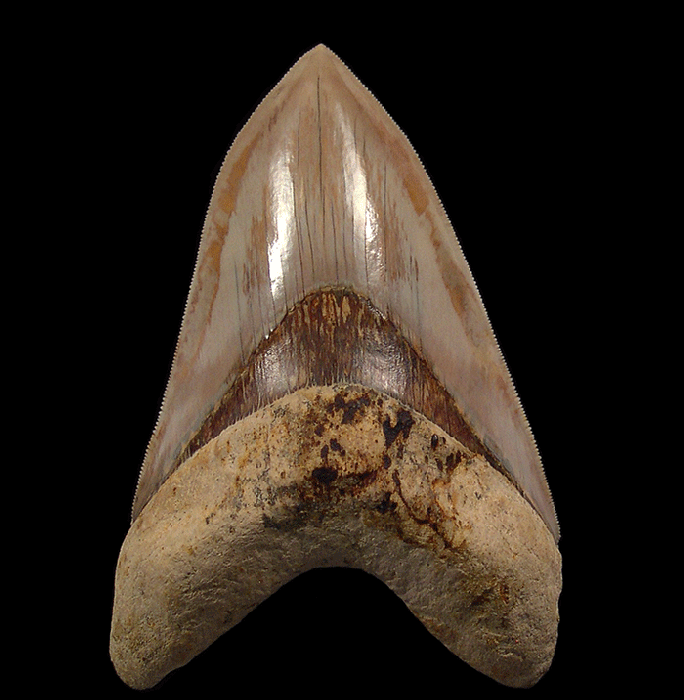
Many first-time buyers feel surprised when they browse listings for megalodon teeth for sale and notice vast price differences. One fossil may cost under a hundred dollars, while another may command several thousand. This variation raises questions. What exactly makes one megalodon tooth more valuable than another? The answer lies in a handful of factors that shape each fossil’s story and market value.
What Influences Prices for Megalodon Teeth for Sale?
Megalodon teeth attract collectors, educators, and fossil lovers for their history and uniqueness. Each tooth carries distinct features shaped by age, condition, and the environment in which it formed. Some display sharp serrations and glossy enamel, while others show signs of erosion. Some come from riverbeds known for preservation. Others originate from areas where natural forces affect how the tooth appears.
Buyers need to understand these traits before they make a purchase. Without that knowledge, they may overspend or miss the chance to secure a meaningful fossil. The following factors explain the pricing structure across fossil listings and help buyers evaluate each one with more clarity.
Larger Teeth Are Rare But Not Always Pricier
Larger megalodon teeth tend to hold more value due to their rarity. A six-inch specimen draws the attention of serious collectors. However, size alone does not decide the final price. Collectors often look for a balance between size and condition. A smaller tooth with full serrations and no breaks may appeal to more buyers than a larger tooth with visible damage.
Condition Plays a Leading Role
The better a tooth's condition, the higher its value. Buyers usually prefer teeth with firm edges, visible serrations, and a complete root. Worn enamel, cracks, or missing portions can reduce value even if the tooth has impressive length. Teeth that show no restorative work also attract more attention and inspire greater trust.
Common signs of desirable condition include:
● Strong and complete root without missing areas.
● Sharp serrations that run along the edge of the tooth.
● Natural enamel with a smooth surface and no repairs.
These physical traits show that the fossil aged well and kept its original structure.
Color and Enamel Reflect Burial Conditions
Color offers clues about where and how a fossil formed. Megalodon teeth take on different colors based on the minerals they absorbed during fossilization. Some show deep black, earthy brown, or even streaked tones. Collectors sometimes prefer rare shades to match a collection or reflect specific regions.
The enamel finish also matters. A clean, glossy surface usually points to strong preservation. Combined with intense coloration, enamel quality adds to a fossil’s overall appearance and value. Many collectors use these visual traits to judge long-term significance.
Discovery Site Helps Shape Value
Where a tooth was discovered tells a story. Some riverbeds or offshore areas produce teeth with better preservation or larger sizes. Fossils from these places often reflect fewer signs of erosion and more vibrant coloration. Collectors who follow fossil locations usually prefer listings with discovery details.
Details about the origin offer buyers helpful context:
● River sites often produce smoother surfaces and cleaner lines.
● Offshore areas sometimes yield larger and more intact teeth.
● Sediment minerals impact fossil shade and strength.
This background supports value and improves buyer trust.
Provenance Confirms Authenticity and History
Provenance helps buyers trust what they see. When a seller shares details about where the fossil came from and how it was handled, that clarity builds confidence. It also protects buyers from replicas or restored pieces that lack background.
Teeth that include provenance hold more weight. Listings for megalodon teeth for sale that include clear notes about the tooth’s origin and collection story offer stronger assurance for buyers. Clear notes about the tooth’s origin and collection story show that the seller respects the item and understands buyer concerns. Buyers looking to invest or build long term collections benefit most from this transparency.
Variation in Listings Reflects Buyer Needs
Not every fossil listing aims at the same type of buyer. Some cater to beginners looking for entry pieces. Others target collectors who value specific traits or rare sizes. This range explains why some listings appear similar in size but show significant price gaps.
Presentation also shapes buyer decisions. Listings with clear photos, full descriptions, and size measurements offer more trust. These sellers usually understand their products and aim to educate buyers rather than sell to them. That difference matters when comparing fossils.
Avoid Common Buyer Missteps with Simple Checks
First-time buyers sometimes make quick decisions based solely on how a tooth looks or how large it appears. This approach can lead to disappointment if the condition falls short or the fossil lacks details.
You can avoid confusion and get more value by following these points:
● Compare condition, enamel, and origin before focusing on size.
● Read the full listing description and study all available images.
● Ask for additional details when something feels unclear.
These steps protect your purchase and help you enjoy the fossil you choose.
Myth and Fact Clarification for Buyers
Myth: Bigger teeth always hold more value.
Fact: Teeth with better structure and detail often mean more to collectors.
Myth: Color has no impact on fossil pricing.
Fact: Color reflects rare environments and helps define fossil appeal.
Myth: All fossils online are original and untouched.
Fact: Authentic fossils come with background details and seller transparency.
How Buyers Find Support When They Shop with Us?
We understand that buyers want more than just a display item. Each fossil in our collection includes full details about size, color, condition, and where it came from. Informed buyers are more satisfied with their selections. Every listing includes photos that clearly show the tooth so you know what you are getting. Whether you collect fossils or want a one-of-a-kind gift, we provide options that match different goals and budgets.
Knowledge Helps You Shop with Confidence
Buyers often wonder why prices vary so much when shopping for fossils. But once they understand the role of condition, enamel, size, color, and origin, the price tag begins to make sense. A listing that explains these elements helps buyers make better choices without having to guess.
When you search for a megalodon tooth for sale, you are not just looking at a product. You are discovering a piece of natural history with value that depends on how well it stood the test of time. A thoughtful choice turns your interest into a lasting connection.






