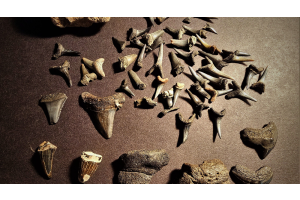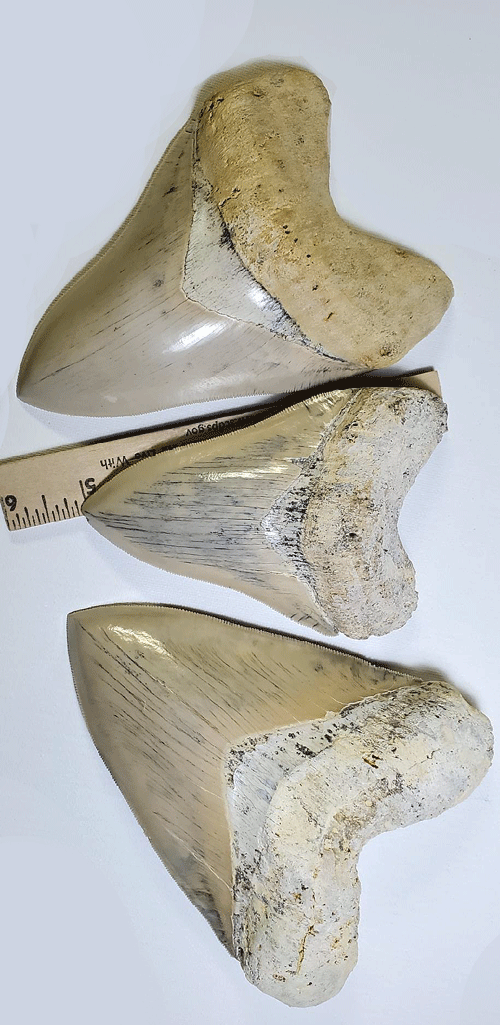
Collectors often notice that fossil shark teeth come in a stunning range of shades—from jet black to warm browns, icy grays, and even deep blues—but one question comes up again and again: why do some specimens, including a megalodon tooth fossil, display such dramatically different colors? If you're a beginner collector, curious buyer, or museum enthusiast exploring our catalog, you’ve probably wondered how one prehistoric tooth can look so different from another. The short answer is that mineral absorption, burial conditions, and the chemistry of the surrounding environment are nature’s paintbrush, working slowly over millions of years. At Buried Treasure Fossils, we love sharing the science behind these incredible transformations because each fossil tells a story far deeper than its surface.
Understanding the color variations in fossils helps you appreciate their authenticity, geological journey, and long history locked inside the earth. We’ve spent decades studying, collecting, and offering authentic fossils—including the iconic megalodon tooth fossil—and the way minerals reshape these specimens continues to fascinate us and the collectors who trust our expertise.
The Role of Mineral Infusion: How Prehistoric Teeth Absorb Color
When sharks like Megalodon shed their teeth millions of years ago, those teeth sank into sandy seafloors, mud beds, river deposits, or ancient coastal plains. Once buried, something remarkable happened: groundwater carrying dissolved minerals flowed through the sediment, slowly filling the microscopic pores within the tooth structure. This process, called mineral infusion, is the reason fossil teeth look strikingly different from modern shark teeth.
The minerals present in the soil—including iron, manganese, phosphate, and carbon—each produce unique colors. Over millions of years, these minerals seep deeply into the dentin and root, altering everything from surface tone to internal hue. That is exactly why an authentic megalodon tooth fossil can display earthy browns from iron-rich clay or glossy black surfaces from carbon-heavy sands. These colors are not applied or artificial—they are natural geological signatures.
Why Some Fossils Turn Jet Black While Others Turn Blue or Brown
Not all sediments contain the same minerals, and that’s where color variation really takes off. Here are a few examples collectors often encounter:
Black Fossils: Carbon-Rich Environments
Teeth buried in peat beds, river deltas, or areas rich in decayed organic matter often turn black. High carbon content produces deep, dramatic tones. Many beginner collectors love these specimens because the contrast highlights serrations beautifully.
Brown or Reddish Fossils: Iron Deposits
If the surrounding sediment is iron-rich, the fossil absorbs those minerals, shifting toward warm browns, deep reds, or copper hues. This earthy coloring often comes from coastal sediments or clay layers.
Gray, Silver, or Blue Fossils: Phosphate and Weathering
Collectors are often captivated by blue-tinted fossils. These rare shades typically occur when phosphate minerals interact with certain clay components. Even subtle changes in groundwater chemistry can shift a fossil toward a cool gray-blue palette. When you see a naturally blue fossil, you’re seeing a rare combination of geological events.
Each fossil’s color is a snapshot of its burial environment—almost like a prehistoric geological fingerprint.
Sediment Type: The Soil Determines the Shade
One of the most important components of fossil coloration is the type of sediment the tooth is buried in. Sediment determines not only which minerals are available but also how quickly or slowly they infuse into the fossil.
Marine Sands
These environments often produce lighter grays, tans, or pale blues, depending on trace minerals.
Riverbeds
Slower moving water can accumulate organic matter, resulting in darker fossils.
Clay Layers
Dense clay traps minerals efficiently, leading to rich browns, reds, or near-black coloration.
The sediment composition also affects preservation quality. Some environments protect enamel better, leaving a glossy surface, while others wear down the enamel, giving fossils a matte finish. When collectors explore our inventory, they often notice how fossils from different regions have completely different personalities—another reminder that nature is the best artist.
How Long Burial Shapes Color and Texture
Time is one of the biggest contributors to fossil appearance. Millions of years underground allow minerals to work their way into every crevice of the tooth. But two fossils buried in the same area can still look different due to variations in depth and exposure:
Shallow Burials
These fossils may show more natural wear or color differences due to changing water tables over the years.
Deep Burials
Deeply buried fossils often absorb minerals more consistently, giving them uniform color and excellent preservation.
Collectors often ask why some fossils show a streaked or marbled pattern. This happens when mineral flow changes over time. Shifts in groundwater direction or composition can create layers of color, producing unique gradients seen in many megalodon tooth fossil specimens we showcase.
Authenticity and Color: What Real Fossils Look Like
One critical detail every collector should know is that genuine fossils have color that permeates deeply into the tooth—not just the surface. Artificially dyed or painted specimens look uniform or too glossy, lacking the natural patterns, gradations, and imperfections created by millions of years of mineral replacement.
Natural fossilized enamel may display:
Microscopic texture
Color gradients
Weathering patterns
Fossilized root porosity
Areas of mineral concentration
These traits develop only over geological timescales. It’s why we take pride in offering only authentic examples—no treatments, no artificial enhancements, and no surface dyes.
Why Collectors Love Unique Fossil Colors
Each fossil’s coloration makes it a one-of-a-kind piece. Two teeth from the same site can display surprising differences, giving collectors the thrill of finding something truly individual. Many seasoned collectors choose specimens based not only on size or serration quality but also on color character. Blue specimens remain highly sought after, while deep brown coastal fossils appeal to those who appreciate warm, earthy tones.
The story behind each color adds to the fossil’s value, both scientifically and emotionally. When you hold a fossil with distinctive coloring, you’re holding a geological narrative shaped by ancient oceans, drifting sediment, and millions of years of natural artistry.
How We Help Collectors Find the Perfect Fossil
With more than two decades of expertise, we’re passionate about helping collectors understand the beauty and science behind fossil coloration. Our catalog is curated with authenticity and quality at the forefront. Whether you’re buying your first tooth or adding a museum-grade specimen to your collection, we make the experience welcoming, educational, and rewarding.
We offer fossils from multiple locations, each with its own coloration palette, so collectors can explore and compare naturally occurring shades. From budget-friendly pieces to rare investment-grade specimens, we love guiding newcomers and experienced collectors alike as they discover what makes each fossil special.
Conclusion
The stunning color variations found in a megalodon tooth fossil are the result of natural mineral infusion, unique burial environments, and countless geological processes working together over millions of years. These factors shape every fossil into a distinct piece of prehistoric art, and exploring these differences is one of the joys of collecting. Whether you’re starting your first collection or searching for a standout addition, we’re here to help you find the right megalodon tooth fossil with confidence, enthusiasm, and expert guidance. If you’re ready to explore extraordinary specimens shaped by time, minerals, and ancient oceans, we invite you to dive into our collection and discover your next favorite megalodon tooth fossil today.