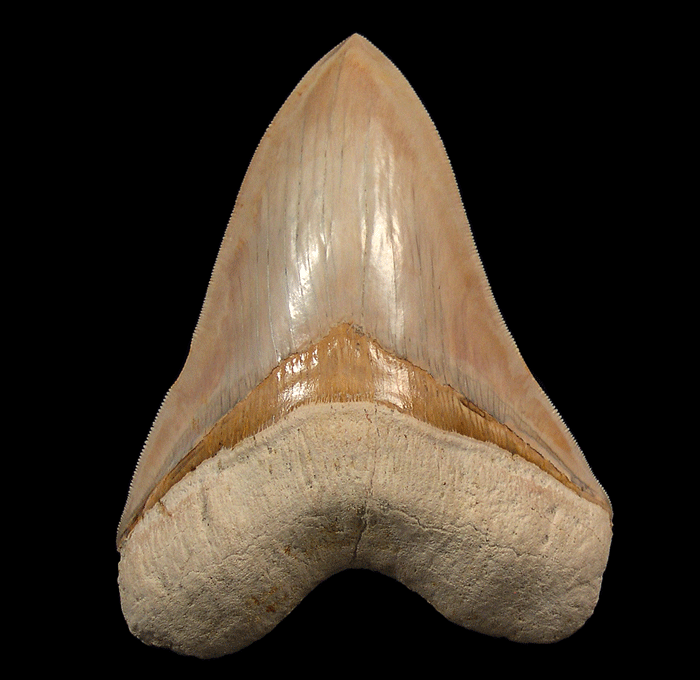
A megalodon shark tooth fossil tells a story that spans millions of years. It comes from one of the most potent marine predators ever to live. This prehistoric shark, Otodus megalodon, left behind teeth that fossilized in rivers, oceans, and coastal sediments worldwide. For serious collectors, not every tooth is equally essential. The right specimen shows size, detail, and natural wear without modern alteration. Choosing the right fossil depends on knowledge, not just visual appeal.
What Sets One Megalodon Shark Tooth Apart from the Rest?
A serious collector does not settle for a tooth that looks good online. Many low-grade fossils flood the market, often with polished surfaces or reshaped edges. While these might impress casual buyers, they do not hold long-term value. Collectors stay focused on a fossil’s integrity. They understand what details signal a real find. The condition of the enamel, the sharpness of the serrations, and the completeness of the root all carry weight. Fossils with natural color variation also reveal information about their origin and age.
Preserved Traits That Signal Lasting Value
Collectors always check for:
• Visible serrations that have not been restored or sharpened by hand.
• Natural enamel with surface wear but no artificial polish.
• An intact or mostly complete root with signs of fossilization.
• Color and texture that reflect mineral-rich sediment deposits.
Each of these features provides evidence of authenticity. No two fossils match exactly. Subtle signs of age and pressure create unique textures that machines cannot copy. That is why collectors value substance over shine.
Understanding the Connection Between Fossil and Find Site
A collector knows where a fossil comes from matters. Teeth pulled from well-known sites carry more trust. The conditions of the surrounding sediment influence how a tooth looks. For example, phosphate-rich layers in riverbeds often darken the tooth’s enamel. In contrast, marine deposits in other areas may create lighter tones or sandy finishes. When a seller shares the dig location and geological context, it helps buyers judge the fossil’s background and formation history.
How Buyers Avoid Common Traps in the Market
Mass listings often hide details behind glossy photos and vague descriptions. Collectors avoid buying from sources that cannot explain the fossil’s origin. They look for sellers who provide clear images from multiple angles and honest assessments. When buyers ask questions and receive clear answers, they gain confidence. Reputable sellers never hide restoration work or conceal enamel damage. The right megalodon tooth always comes with transparency.
Why Does Condition Always Outweigh Size in Fossil Selection?
Many new collectors get drawn to large teeth, thinking size equals value. However, experienced buyers quickly learn that a massive megalodon shark tooth with poor preservation loses its worth. A medium-sized fossil with clean serrations, strong enamel, and a documented origin often ranks higher among seasoned collectors. They value the story and structure, not just the measurements. The right fossil shows how nature preserved it, not how sellers shaped it.
Building a Collection with Purpose and Focus
Focused collectors build with intention. They do not just gather random fossils. They track the origin of each piece and document its unique features. They often build around:
• Specifically, find locations to compare how geology shapes preservation.
• Size ranges that reflect natural variation in the species.
• Teeth with strong visual traits that display well for education or private enjoyment.
This approach to collecting brings consistency and credibility. It also protects long-term value.
Signs That Raise Red Flags for Experienced Buyers
Collectors avoid any fossil that looks too smooth or too perfect. Overly uniform edges suggest reshaping. Glossy enamel with no surface variation often means polish. If the seller cannot explain where the tooth came from or how it was found, that lack of detail lowers trust. Real fossils show their journey. Marks, texture shifts, and minor chips are natural. Buyers who want authenticity accept these traits as part of the fossil’s value.
Understanding the Rising Demand for Authentic Specimens
Interest in fossils continues to grow, not just among collectors but also among educators and enthusiasts. This increased demand makes the right fossils harder to find. Buyers who understand how to assess a specimen make better decisions. They invest in fossils that hold value and offer a connection to Earth’s ancient past. As supply becomes more selective, serious collectors act with care and knowledge. That makes their collections stand out in both quality and integrity.
Final Words
Collectors who understand the meaning behind a megalodon shark tooth look past surface shine. They search for real details, traceable origins, and preserved features that confirm age and history. A well-chosen fossil adds more than visual appeal. It adds a tangible link to the prehistoric world. When reviewing any megalodon tooth for sale, they focus on authenticity rather than appearance. We support collectors who value the process and know how to evaluate a piece with precision. Whether you are starting your search or refining your collection, make each choice based on knowledge and intention. Every megalodon fossil deserves the attention of a collector who understands its value.