A real megalodon tooth does not just look ancient. It truly carries its age through visible signs that prove its journey through time. It shows weight, surface detail, and natural wear that copies cannot recreate. Many collectors and new buyers want to own a fossil of this prehistoric predator, but the growing number of fakes makes the process more challenging. When you examine an authentic megalodon tooth in the middle of your research, you begin to see why careful evaluation matters. If you want to make a smart purchase, learn how to recognize the real from the replicas. Knowing what to check before you spend protects both your wallet and your collection.
How To Spot An Authentic Megalodon Tooth Using Natural Traits?
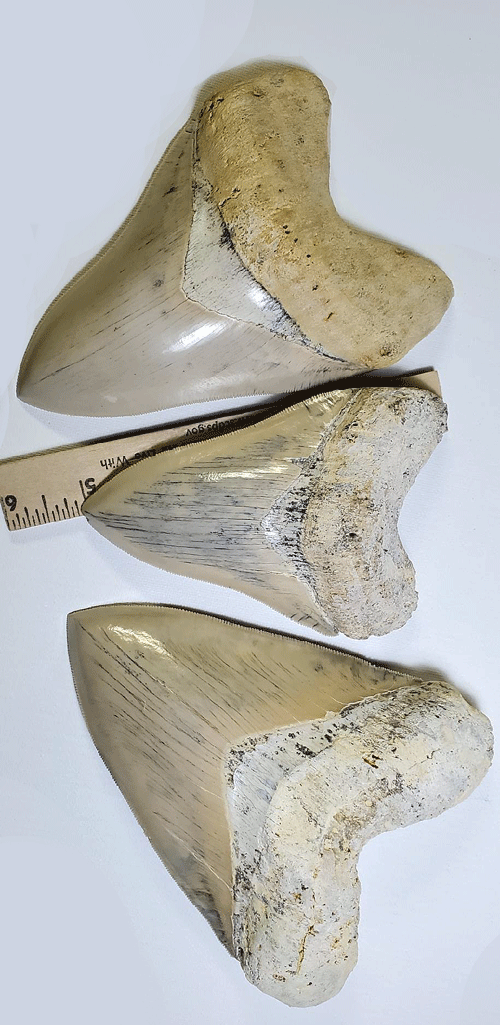
Every authentic fossil shows signs of its past. A genuine megalodon tooth will never look perfectly smooth or polished. Instead, it often indicates chips along the edges, slight surface erosion, and minor cracks near the root. These features prove that time and pressure shaped it. When a tooth looks flawless and uniform, that usually signals a replica made from resin or composite materials.
Color Should Show Mineral Influence, Not Paint
Genuine fossil teeth take on color from the minerals in the sediment where they formed. You will often see tones like dark grey, brown, tan, or even soft blue. These shades appear uneven and layered. In contrast, a fake tooth usually has a single flat color and a surface that appears sealed or shiny. That type of finish often points to painted or coated casts. Real color never looks artificial or glossy.
Weight And Density Support Authenticity
Fossilization replaces original organic tissue with minerals. This natural process gives real teeth a heavier feel than a plastic or resin cast. If the tooth feels light or hollow when you hold it, that raises a red flag. A heavier tooth with good density often supports the claim of authenticity. This tactile feedback helps buyers make quick judgments even before a full inspection.
Texture Reveals Age And Material
Run your fingers across the surface of the tooth. Focus on the root and the surrounding areas. A real tooth should feel slightly rough or gritty, mainly where minerals settled during fossilization. Casts or modern reproductions often feel too smooth or rubbery. Texture plays a key role when verifying fossils, especially for collectors who examine items in person.
Provenance Adds Trust And Clarity
Sellers should always disclose the origin of the fossil. Common sites include rivers and coastal sediment layers where fossil deposits are known. Responsible sellers document the general location or the recovery method. If someone refuses to share this information or offers vague answers, that should make you question the fossil’s source. Clear provenance supports authenticity and builds confidence.
Review Photos Carefully Before You Commit
Do not rely on one well-lit image. Ask for several photos showing the front, back, root, and serrated edges of the tooth. Look for natural imperfections. You may notice small chips, uneven coloration, or surface marks. All of these can help prove the fossil’s authenticity. Real fossils show asymmetry. Casts often look too even or display identical shapes across different listings.
Avoid Polished Or Treated Surfaces
Some sellers polish fossil teeth to improve their appearance. While light cleaning is acceptable, heavy polishing can remove evidence of age and reduce the value. When you examine an authentic megalodon tooth, you may notice that excess shine often hides flaws or suggests the use of artificial coatings.
Use Community Insight When In Doubt
Experienced collectors often share their opinions online and through fossil forums. When you find a tooth you want to buy, post its photos and ask for feedback. Members of the fossil community enjoy helping others avoid common mistakes. You can also learn which sellers receive the most consistent praise from those who care about fossil integrity.
Price Often Matches Quality
Real megalodon teeth, especially those with large size or full roots, do not sell at deep discounts. If the price looks unusually low, the fossil may not be real. Check price ranges on trusted fossil platforms to build a sense of what feels fair. Use that as a baseline to avoid offers that look too good to be true.
What To Check Before You Buy?
• Examine color for uneven tones caused by sediment minerals.
• Confirm the tooth feels dense and heavier than its size suggests.
• Look for signs of natural wear, like edge chips and surface erosion.
• Ask where the tooth came from and get location details in writing.
• Study photos that show the whole tooth, especially the root and edges.
Each of these steps helps confirm whether the fossil shows the signs of real age and formation.
Recognize Myths That Lead Buyers Astray
• A shiny surface does not guarantee better condition. It often hides damage or restoration.
• Size alone does not prove value. Many large replicas exist with no real fossil worth.
• Black color does not equal authenticity. Real teeth vary in color based on the soil in which they fossilized.
Move Forward With Patience And Curiosity
Buying a fossil is not just a purchase. It is an investment in a genuine piece of Earth’s story. Rushing the process opens the door to poor decisions. Each real megalodon tooth carries visible proof of its long journey. Learn what that looks and feels like. Ask clear questions. Use your hands and your eyes to confirm what sellers claim. When a fossil holds weight, texture, and history, it often proves itself without needing extra polish.
Final Words
We remain committed to helping collectors make informed decisions. If you are ready to buy, take a little extra time to study what real authenticity looks like. When you take the time to examine an authentic megalodon tooth closely, the difference becomes clear. That knowledge stays with you long after the transaction ends.