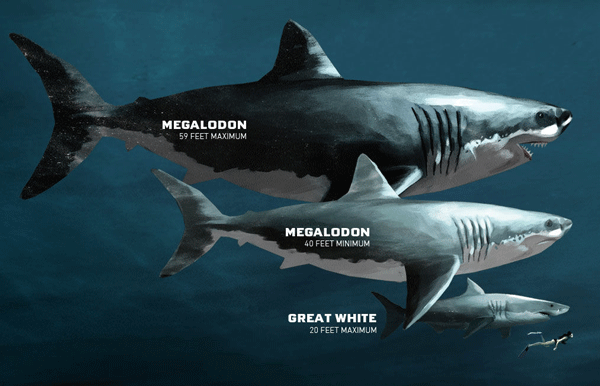
Many collectors face a common decision: whether to invest in a Megalodon tooth or a Great White shark tooth. While both fossils offer distinct visual appeal and historical importance, they serve very different purposes depending on what you want as a collector. In short, Megalodon teeth carry weight for those seeking size, rarity, and prehistoric significance. Great White teeth work better for collectors focused on sharp form, living species lineage, and affordability. The megalodon vs great white tooth decision isn’t just about looks. It’s about making a wise, informed choice that suits your goals.
Distinct Origins Define Their Importance
Megalodon teeth come from a long-extinct predator that once dominated ancient oceans more than three million years ago. These sharks measured over 50 feet in length and left behind teeth that reflect their size and power. The teeth are large, thick, and triangular with serrated edges. The Great White shark, however, still roams the ocean today. Fossils of its teeth provide collectors with an opportunity to explore evolutionary traits within a species that continues to thrive. The difference between the two lies not just in age but in the story each fossil tells.
A Megalodon tooth represents a vanished world and serves as a preserved symbol of Earth’s prehistoric marine ecosystem. A Great White tooth connects us to a modern apex predator, offering a bridge between the past and the present. Understanding this distinction helps clarify why both fossils remain relevant in different ways.
What Physical Features Influence Collector Interest?
The physical form of each tooth reveals its origin and function. Megalodon teeth appear massive and dense, typically measuring five to six inches. The broad base and thick crown suggest a powerful bite capable of crushing whale bones. The fossilization process leaves behind unique color patterns depending on the sediment and minerals in which the tooth was buried. These features draw the interest of experienced fossil buyers seeking specimens that are large, in good condition, and well-preserved.
Great White teeth offer a different kind of value. These teeth measure about two to three inches and feature sharper serrations and thinner crowns. The symmetrical design and lighter weight make them easier to display in groups or jaw set replicas. Great White teeth may lack the sheer size of a Megalodon tooth. Still, they compensate through clarity, precision, and evolutionary significance.
Evolutionary Design Seen Through Tooth Structure
The structure of each tooth reveals clues about feeding behavior. Megalodon teeth supported a strong, bone-crushing bite. Their thick build and wide crowns allowed them to attack large prey and dominate their environment. In contrast, Great White teeth evolved for fast, targeted strikes. Their narrow build and sharp serrations cut through flesh with precision, allowing the shark to injure and retreat before finishing the hunt.
This contrast in form reflects how each shark adapted to survive. One relied on overwhelming power. The other mastered calculated precision. Collectors who study form and function often find value in both designs because they offer insights into how marine predators adapted over time.
What Makes A Tooth Stand Out In Today’s Market?
The fossil market values Megalodon teeth for their scarcity, especially in large sizes with minimal wear. Fossil beds that once produced dozens of quality specimens now yield fewer finds. As demand rises and supply tightens, high-grade Megalodon teeth gain long-term investment potential. Collectors who focus on preservation and sourcing often prioritize teeth that show original enamel, a complete root, and no repairs or restoration.
Great White teeth appear more frequently on the market, allowing for more flexible price points. Although not considered rare overall, exceptional Great White specimens still retain their resale value. Their appeal comes from sharp detailing, color contrast, and scientific interest. These teeth attract buyers who want to build organized sets, educational displays, or entry-level collections.
Factors Buyers Use To Assess Quality
Whether buying a Megalodon vs Great White tooth, collectors look for the following indicators of quality:
● Clean and stable root structure.
● Fully visible and natural serrations.
● Intact enamel with no artificial polish.
● Natural coloration from authentic sediment exposure.
● No cracks, breaks, or visible repairs.
These characteristics help buyers assess authenticity and predict how well the tooth will retain value over time. Each detail tells part of the fossil’s history and contributes to its long-term desirability.
Personal Collection Goals Shape The Smarter Buy
Megalodon teeth often serve as bold display pieces or centerpieces within fossil collections. Their sheer size and prehistoric nature create a substantial visual impact. Investors and experienced collectors may be drawn to these fossils due to their scarcity and prestige. Great White teeth, on the other hand, offer a more modular experience. They can fit into matching sets, reflect variation over time, and build a broader evolutionary narrative. Some collectors even enjoy pairing Megalodon and Great White teeth to compare traits and study shark evolution across different geological periods.
If your goal involves a standout showpiece or an appreciating asset, the Megalodon tooth offers a compelling option. If you want flexibility, educational value, or affordability, the Great White tooth delivers on all counts.
Visual Impact And Display Planning
Display strength often influences which tooth a collector chooses to collect. Megalodon teeth draw immediate attention and usually sit at the center of a shelf or case. Their dark enamel, vast body, and aged roots create contrast and visual gravity. Great White teeth provide organization and structure. Collectors often mount them in rows or use them to compare geological stages or tooth positions across a jaw. Each fossil offers more than just a shape. It provides an experience and conversation piece.
Final Thought For Serious Buyers
Choosing between a Megalodon vs Great White tooth comes down to your purpose as a collector. Some buyers seek fossils that are both rare and valuable. Others value access, design, and connection to a living species. The megalodon vs great white tooth decision is less about picking the best and more about choosing the right one for your story. When you buy with clarity, you bring more meaning to your collection.
Footnote
Differences in sediment, depth, and site history all influence the final appearance of fossilized shark teeth. These natural factors create the uniqueness that collectors see