Fossil collectors often ask what separates an ordinary Megalodon tooth from a truly exceptional specimen. The answer becomes clear once you explore the biggest megalodon tooth. Measuring over seven inches, this rare fossil boasts impressive dimensions. It teaches serious collectors how size, condition, and origin influence value and reveal essential facts about prehistoric marine life. While casual buyers may only consider size, experienced collectors know that real value lies in the details that surround a find of this scale.
Does the Biggest Megalodon Tooth Truly Define Its Value?
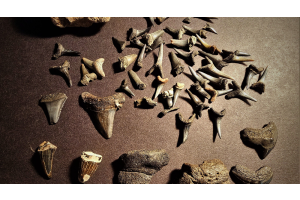
Most Megalodon teeth that appear on the fossil market fall between four and five inches in length. These sizes represent common finds and often serve as entry points for new collectors. However, when a tooth exceeds six inches, it moves into the category of rare specimens. If that length surpasses seven inches, it earns attention across the fossil-collecting community.
The tooth then becomes more than a curiosity. It serves as a reference point for evaluating quality, scarcity, and the significance of fossil sites.
What makes size so important is its connection to the animal’s life. A tooth that large likely came from a fully grown Megalodon, possibly more than sixty feet long. That alone turns the tooth into an object of scientific interest and collector's pride.
The Chilean Discovery Sets a New Benchmark in Fossil Collecting
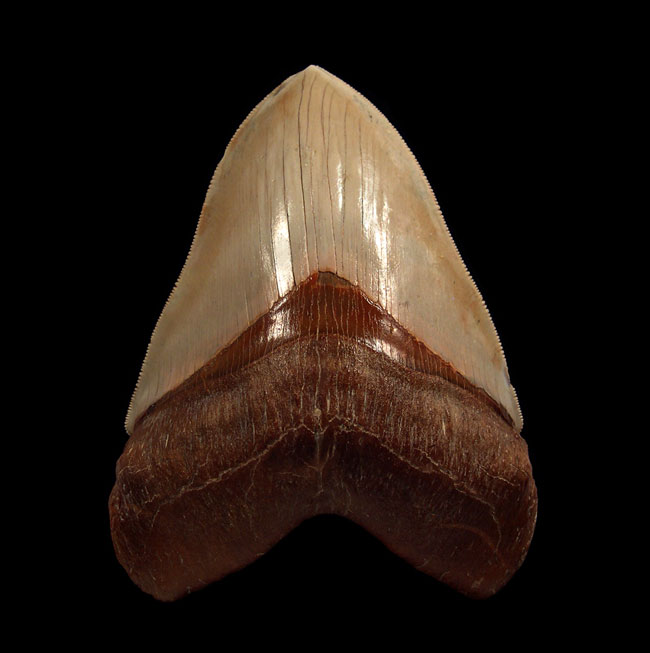
A significant turning point came with the discovery of a massive Megalodon tooth in Chile. Found along the coast where ancient marine deposits remain preserved, this tooth reached more than seven inches in length. It retained its enamel, showed sharp and clear serrations, and held a symmetrical root. Collectors and paleontologists quickly recognized its significance.
The quality of this specimen revealed a combination of natural preservation and favorable conditions at the site of recovery. The tooth had not undergone any restoration or artificial enhancement. Its color suggested long-term mineral stability. These traits elevated its value far beyond the average large fossil.
The Importance of Detail in Serious Fossil Collecting
Size sparks initial interest, but serious fossil collectors examine many other features before making a purchase. They look beyond dimensions and focus on factors that determine long-term value and authenticity. Among these, three stand out as most important:
● Enamel condition that reflects natural preservation and mineral consistency.
● Root integrity with no breaks, glue repairs, or visual irregularities.
● Serration sharpness that remains visible without signs of mechanical work.
These qualities reflect not only how the tooth survived over time but also whether it remains unaltered. Collectors who pay attention to these points often avoid overpriced or tampered specimens, building a more valuable and authentic collection.
Provenance and Documentation Strengthen Fossil Value
Trust in the fossil world depends on facts, not assumptions. When it comes to the biggest megalodon tooth, documentation that shows the location and context of its discovery supports its authenticity. Fossils tied to known geological formations or long-recognized fossil beds carry more weight in the market. Collectors gain confidence when a seller provides this information.
The tooth found in Chile illustrates this principle. Experts traced its origin to a region known for marine fossils from the Miocene period. This connection strengthened its credibility. Buyers seeking long-term value understand that origin often plays as much of a role as appearance or size in establishing worth.
Market Trends Reflect the Role of Rarity and Collector Demand
Over the years, fossil buyers have observed prices shifting based on condition and rarity, rather than size alone. A large tooth in average condition may not outperform a smaller but pristine specimen in market value. However, a tooth that combines both size and preservation stands out. These specimens attract attention from collectors, dealers, and researchers alike.
Collectors who track fossil trends observe that the most desirable Megalodon teeth originate from locations with consistently high preservation quality. The teeth that surface from these zones carry more trust and often sell faster. A massive tooth in excellent condition with a known origin rarely stays available for long.
Addressing Common Misunderstandings About Fossil Value
Myth: Larger size always guarantees a higher price.
Fact: Condition and completeness often outweigh size in final value.
Myth: Only one region produces top-tier Megalodon teeth.
Fact: Several coastal areas reveal quality specimens, but preservation varies.
Myth: Glossy surfaces reflect better preservation.
Fact: Natural enamel texture signals authenticity, while shine may suggest polishing.
Collectors who understand these points make more informed decisions and avoid misleading sales tactics that rely solely on size.
Visual Impact and Fossil History Influence Collector Perception
A large tooth with visible structure, original color, and sharp serrations naturally draws attention. But its value grows even more when collectors can trace its history. Provenance adds depth. It transforms a fossil from an object into a story. This story makes the piece more engaging and often more desirable in private collections or public exhibits.
Visual appeal matters because it creates a strong first impression. Combined with evidence of authenticity, it supports the collector’s choice. Buyers want fossils that stand out not only for their size but also for their honesty and preserved state.
Key Factors Serious Collectors Consider When Evaluating Fossils
The most informed collectors follow a straightforward process when deciding whether a Megalodon tooth is suitable for their collection. They rely on these core standards:
● Physical size that meets or exceeds known benchmarks for rarity.
● Verified origin through trustworthy documentation or site history.
● Natural features that reflect accurate preservation rather than restoration.
By focusing on these criteria, collectors not only reduce risk but also increase the quality and value of their fossil holdings. The biggest specimens still hold appeal, but their supporting details decide their true worth in a competitive market.
Final Words
The biggest tooth offers more than physical evidence of a giant predator. It provides fossil collectors with insight into how size, condition, and origin influence a specimen’s actual value. The discovery in Chile confirmed that teeth over seven inches still appear, though rarely. It also showed how preservation and geological context define a fossil’s place in both science and collecting.
Collectors who learn from these examples know how to spot value. They select pieces that strike a balance between size and integrity. The biggest megalodon tooth ever found reminds us that meaningful collecting comes from knowledge, not just visual impact.
Footnote
The Chilean Megalodon tooth highlights how a combination of size, condition, and confirmed origin defines the highest standard in marine fossil collecting.