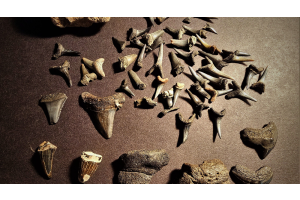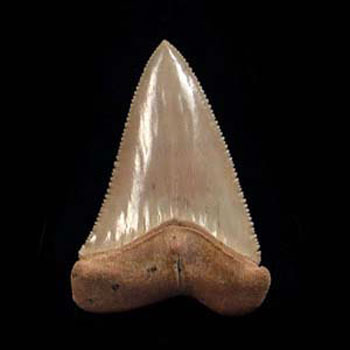
For fossil collectors and young science enthusiasts alike, few sights capture attention quite like the gleaming reddish hue of prehistoric shark teeth pulled from the ancient riverbeds of North Carolina. Within the first sixty words, it’s impossible not to highlight the otodus megalodon in copper red site, one of the rarest and most visually stunning fossil discoveries ever documented. These teeth, often emerging in brilliant shades of copper, brick, and crimson, tell a fascinating story written not just in prehistoric biology but also in Earth’s deep geochemical memory.
A Giant of the Ancient Seas
Before diving into what makes the red coloration so remarkable, it helps to remember the colossal creature behind these fossils. The Otodus megalodon was the undisputed apex predator of the Miocene and Pliocene epochs—roughly 20 to 3 million years ago. Stretching up to 60 feet long, it was a powerhouse of evolution, equipped with serrated triangular teeth capable of slicing through whale bone with ease. While its massive skeleton has long decayed, its teeth remain scattered across ancient seabeds and river systems, offering the clearest glimpse into its existence. And among these remnants, few are as rare or captivating as those found in North Carolina’s “Copper Red” site.
The Secret Behind the Red: Ancient Chemistry at Work
The unique coloration of these teeth isn’t a result of paint, polish, or preservation—it’s pure nature’s artistry. The copper-red tones seen in megalodon teeth from the Meherrin River and other North Carolina deposits arise from iron-rich sediments that have interacted with the enamel and dentin layers over millions of years. When megalodon teeth were buried within these riverbeds, groundwater infused with minerals like iron oxide (hematite) and goethite slowly seeped into the fossil’s microscopic pores. Over time, these minerals bonded with the tooth material, producing that mesmerizing copper-red finish that collectors today prize above all.
What makes the otodus megalodon in copper red site so scientifically compelling is that it offers a snapshot of ancient marine chemistry. The mineral composition tells researchers about the water’s oxygenation, sediment composition, and even the climate patterns of prehistoric North Carolina. Essentially, every red tooth serves as a tiny geological record of an ecosystem long vanished beneath time’s current.
How River Sediments Shape Color and Preservation
Sediment chemistry plays a major role in determining the color of fossilized teeth. In some locations, shark teeth turn blue, gray, or black depending on manganese and phosphate concentrations. But in the copper-red deposits, the abundance of iron oxides produces tones that can range from fiery red to deep russet. This reaction occurs under specific geological conditions—typically in river environments with slow oxygen exchange and stable mineral layering.
The Meherrin River, known for these rare specimens, provides ideal conditions for mineralization. Its ancient floodplains, once teeming with marine sediments, have preserved an unbroken geological story stretching back millions of years. When we unearth these fossils today, we’re not just finding relics of a predator—we’re discovering living chemistry frozen in time.
A Collector’s Dream: Rare, Authentic, and Irreplaceable
At Buried Treasure Fossils, we’ve handled some of the most exceptional specimens from this site. Each otodus megalodon in copper red site tooth reflects not only nature’s creativity but also the dedication required to locate and preserve it. The Meherrin River teeth are significantly rarer than those found in other world-famous fossil sites like Lee Creek, Bone Valley, or Peru. Their scarcity and pristine preservation make them highly sought after among both seasoned fossil hunters and curious beginners.
What truly sets these teeth apart is their authenticity. The specimens we offer have no restoration or repair, maintaining their natural condition just as they were found. The enamel shines with a deep, metallic luster, and the serrations remain crisp and intact. For collectors who value natural history, these teeth represent the perfect blend of beauty, rarity, and scientific value.
The Story Beneath the Surface: Ancient Ecosystems Revealed
The copper-red hue also hints at something larger—the nature of prehistoric North Carolina’s environment. Millions of years ago, this region was submerged under warm, shallow seas bustling with marine life. The Otodus megalodon dominated these waters, feeding on early whales, giant fish, and seals. As climate changes and tectonic shifts gradually reshaped coastlines, the seas receded and sediments layered over the remnants of this ancient food chain.
The iron minerals that stained the teeth red were products of these shifting environments. They formed as oxygen levels in the water changed and minerals settled into clay-rich sediments. Each tooth, therefore, captures the story of a living, breathing ocean transforming over eons. Holding one is like holding a tangible piece of Earth’s biography.
Science, Art, and Wonder: Why the Red Teeth Captivate Us
There’s something inherently awe-inspiring about these teeth. Their red glow seems almost artistic—an unlikely fusion of biology and geology. To young learners and members of science clubs, these fossils spark curiosity about how natural forces shape our planet’s colors, patterns, and textures. The contrast between the megalodon’s fierce predatory legacy and the serene beauty of its fossilized teeth perfectly embodies nature’s paradox.
Collectors often describe these red specimens as “jewels of the deep.” The shine isn’t simply visual—it’s emotional. It reflects a time when Earth’s chemistry and life were intertwined in delicate, slow-moving processes that we are only beginning to understand. That’s what makes them not only collectibles but powerful educational tools.
From the Riverbed to Your Hands: Our Passion for Prehistoric Discovery
At Buried Treasure Fossils, we’re passionate about connecting people to Earth’s prehistoric past through authentic and responsibly sourced fossils. Each otodus megalodon in copper red site specimen we showcase comes with detailed provenance, expert verification, and a story that invites exploration. Our founder, Gary Greaser, began this journey in 2000 with a simple mission—to make fossil collecting accessible, educational, and truly exciting for everyone.
We take pride in offering fossils that go beyond aesthetics. Our collection of shark teeth—from Megalodon to Otodus and Mako—serves as windows into evolution, adaptation, and geological change. And for young learners just starting their fossil journey, our entry-level fossils make it possible to hold history in their hands without intimidation or guesswork.
Why Collecting Megalodon Teeth Matters
Collecting these fossils isn’t just about adding something beautiful to your shelf. It’s about participating in science. Each tooth contributes to a broader understanding of marine evolution, sedimentary processes, and even global climate patterns. For budding scientists and hobbyists, handling these specimens transforms abstract concepts—like fossilization or mineral replacement—into tangible experiences. There’s no better way to inspire curiosity than by connecting the wonder of discovery with the thrill of learning.
A Glimpse Into Earth’s Deep Time
Every red Megalodon tooth from North Carolina is a time capsule. Its color tells us how minerals migrated through ancient river channels; its structure reveals how predators evolved to dominate prehistoric oceans. In studying and preserving them, we aren’t just admiring an artifact—we’re reading a record of time written in enamel and iron. That’s what makes these fossils so extraordinary and why their appeal endures across generations.
Conclusion: A Rare Glow from Earth’s Ancient Depths
The Otodus megalodon in copper red site fossils are much more than collector’s items—they are geological poems forged by nature’s hand. Their red brilliance embodies the chemistry of ancient seas, the power of prehistoric life, and the artistry of mineral transformation. Owning one of these teeth means holding both science and beauty in perfect harmony.
If you’re ready to explore the prehistoric wonders that connect our modern world with Earth’s ancient depths, discover our latest collection of copper-red Megalodon teeth and other rare fossils today. Whether you’re an avid collector or a young learner eager to begin your journey, we’re here to help you uncover the timeless treasures waiting beneath the surface.