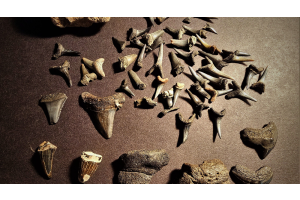
Experienced fossil collectors know that location drives value. When it comes to Megalodon teeth, North Carolina continues to stand out for its rare geological profile, consistent fossil preservation, and distinct coloration. Collectors don’t settle for vague listings or generic origins. They seek fossils with proven context and traceable details. That’s why many start their search for a megalodon tooth in North Carolina. The riverbeds and marine deposits in this region deliver specimens that carry scientific weight and long-term collector value.
Why Do Megalodon Teeth from North Carolina Stand Apart?
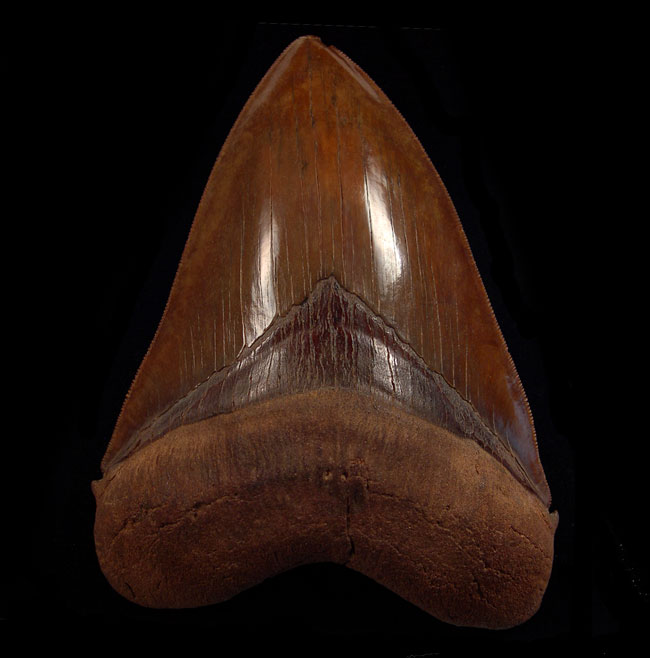
Not all Megalodon teeth offer the same traits. The ones sourced from North Carolina show better preservation, more substantial mineralization, and most importantly, traceable recovery. This region produces fossil layers from both the Miocene and Pliocene periods. These include the Pungo River Formation and the Yorktown Formation, both of which are known for their dense fossil beds and rich mineral content. Collectors value these teeth not only for their size but for their natural beauty and untouched state. The enamel often appears glossy, with full roots and visible serrations intact. Most importantly, these teeth typically show no signs of repair or restoration.
Copper-Red Teeth from the Meherrin River Region
The Meherrin River is one of the most sought-after fossil sites in the eastern United States. Collectors seek out finds here due to the region’s distinctive “red-site” coloration. These teeth develop a deep copper-red hue after thousands of years in mineral-heavy gravel beds. This color does not result from treatment or artificial staining. It occurs naturally and cannot be faked. Teeth from this area often sell quickly. They are considered rare and highly collectible due to their color, condition, and known provenance. Each one tells a geological story that buyers can trust.
Teeth Recovered from Offshore North Carolina
In addition to river deposits, offshore fossil beds near North Carolina’s coast produce exceptional Megalodon teeth. Divers locate them in deep marine layers, where teeth remain protected by sand and sediment. These specimens often come in larger sizes and show excellent preservation due to the low oxygen and stable temperatures of their environment. The variety in coloration and structure gives collectors different options. Some teeth appear darker, while others display lighter tones with strong enamel preservation. These ocean-recovered fossils are prized not only for their exceptional quality but also for the meticulous recovery process, which requires trained divers and careful extraction.
Features That Signal Value to Collectors
Collectors never rely on size alone. They consider several specific features when selecting a Megalodon tooth for their collection. Teeth found in North Carolina often meet or exceed expectations in all of these areas:
● Fully preserved root structure with no cracks or repairs.
● Crisp serrations along the blade edge.
● Natural coloration from surrounding minerals.
● No chemical treatment or restoration.
● Exact origin known and documented in the listing.
Listings from North Carolina clearly describe these attributes. This transparency enables buyers to make informed decisions and fosters trust within the fossil-collecting community.
Myths vs Facts That Collectors Should Know
|
Myth |
Facts |
|
Any large tooth will hold collector value |
Size helps, but structure and origin drive true demand |
|
Red coloration always means artificial staining
|
The red hue in North Carolina fossils forms naturally |
|
All Megalodon teeth are equal if authentic |
Geological origin and preservation quality set them apart
|
The Role of the Keyword in Collector Searches
Many searchers type ‘megalodon tooth’ in North Carolina because they are already aware of the region’s reputation. They are not looking for general shark fossils. They want teeth that tell a whole story: where they were found, how they formed, and why they remain desirable among collectors. Listings that reflect this level of detail perform better. They answer questions before they are asked, removing the doubt that often slows purchasing decisions.
Distinct Qualities of These Listings
Buyers who browse fossils from North Carolina see clear descriptions and high-quality images. The best listings avoid vague language. They show the exact tooth, include measurements, and confirm the origin without guesswork. This kind of detail helps collectors trust the seller and the specimen. Many collectors return to these listings for a straightforward reason. They get what they expect. The tooth pictured is the one that was shipped. That accuracy matters. It reflects the professionalism behind each listing and strengthens long-term buyer trust.
Checklist for Evaluating North Carolina Megalodon Teeth
● Was the tooth recovered from a known formation like the Meherrin River or offshore sites?
● Does the enamel appear glossy and natural with no signs of chemical treatment?
● Are the serrations still visible along the edge?
● Is the root structure complete and free of filler material?
● Does the listing confirm that no restoration work has been done?
● Is the coloration consistent with natural sediment conditions in North Carolina?
Answering yes to these questions helps collectors avoid guesswork and feel confident about their fossil purchase.
Final Words
Serious buyers continue to pursue fossils that deliver lasting value. Megalodon teeth in North Carolina offer a combination of visual appeal, geological context, and natural preservation that other regions cannot always match. Collectors recognize the difference. They know when a listing shows a real, unaltered fossil recovered from a known site. These traits make a Megalodon tooth not only a beautiful piece but also a sound addition to any serious collection. Whether someone collects a Megalodon tooth for study, display, or long-term value, it provides the clarity and character that fossil buyers seek in North Carolina. These fossils lead the market because they consistently meet high expectations.
Footnote
Collectors choose North Carolina Megalodon teeth for their distinctive color, known origin, and preserved features developed over millions of years in ancient marine and riverbed deposits.