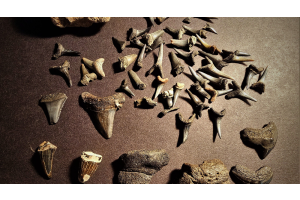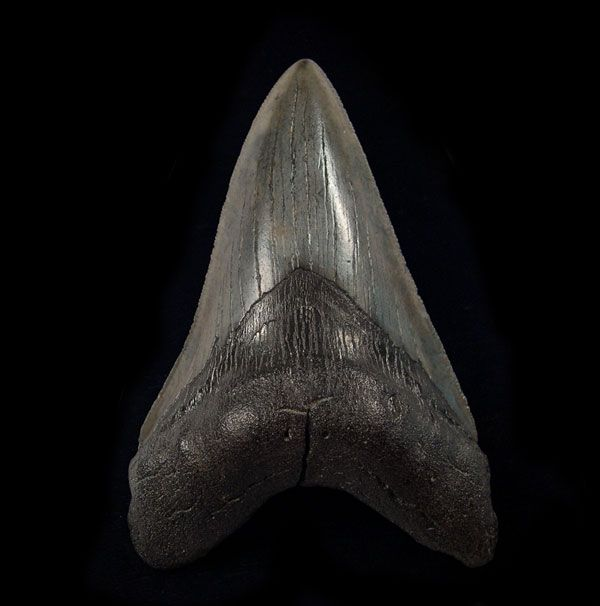
Many fossil hunters arrive in Florida with one goal in mind. They want to find a real megalodon tooth buried beneath the soil or riverbed. They bring their gear, they follow advice, and they work for hours, sometimes days. But often, they leave with empty bags and more profound questions. The issue rarely lies in their effort. The real challenge begins with knowing where to look and how to read the land. If you want to know where to find megalodon teeth in Florida, you must first understand why your current approach might not work.
How Ancient Florida Preserved the Megalodon’s Legacy?
Millions of years ago, Florida sat beneath a shallow sea. Megalodon, the largest shark that ever lived, swam these waters and left behind rows of massive teeth. Over time, these teeth settled into ancient seabeds that slowly turned into fossil layers. Today, erosion and water flow expose these layers in certain parts of the state. But not every place reveals its history equally. Some spots still hold treasure. Others have already given up their best. You need to focus on areas shaped by ancient marine movement and modern erosion patterns.
Where Florida’s Rivers Still Yield Fossil Finds?
If you want to find fossils in Florida, rivers offer your best chance. These moving bodies of water carve deep into the sediment, sometimes exposing ancient layers without any digging. Peace River has become a familiar name for fossil hunters. But heavy traffic and frequent visits often reduce its potential. You should explore lesser-known spots where fewer people dig. Smaller creeks, hidden bends, and feeder streams sometimes yield better results than the most popular zones.
Why Does the Right Spot Matters More Than Effort?
Success in fossil hunting depends on more than showing up with tools. If you do not understand what lies beneath your feet, you will waste time on the wrong layers. Look for darker soils, compact textures, and gravelly mixtures. These signs typically indicate fossil-rich ground. Avoid light sand and soft clay. They signal younger deposits with no fossil history. Trust what the ground shows you. Watch how water moves through the site. These natural signs guide experienced hunters.
Understand Access and Follow Fossil Collection Rules
Not every fossil-rich area sits on public land. Many productive sites fall on private property. Digging there without permission breaks the law. Always seek approval before you begin. Even on public land, rules apply. Florida requires fossil collectors to obtain a permit before collecting vertebrate fossils, including those of the megalodon. When you collect with the correct permissions, you not only protect yourself but also gain access to more areas. Following the rules also adds credibility to any fossil you recover.
Spot Fossil Layers with Ground Awareness
Most experienced hunters do not dig unthinkingly. They read the ground. Fossil-rich layers show specific traits
• Sediment appears darker and holds together more firmly.
• Gravel often mixes with sand and clay in these layers.
• Bones or fragments may already poke through the surface.
• Riverbanks with exposed layers offer quick visual cues.
When you find a spot that checks these signs, slow down and stay focused. Rushing or digging without direction usually leads to disappointment.
Avoid Recycled Locations and Build Your Own Knowledge
Plenty of websites and forums list fossil hunting spots across Florida. While helpful, these tips often send people to locations that no longer produce strong results. Years of traffic can strip a site of its fossils. Natural erosion helps, but only to a point. When people wonder where to find megalodon teeth in Florida, they often depend on these same outdated guides, which rarely lead to new discoveries. Instead of relying on secondhand lists, build your own knowledge. Test different access points. Explore new locations. Take notes on what works and what does not. With time, your field sense improves, and your results follow.
Target Quality Fossils Over Large Quantities
Quantity can distract from what matters most. Many collectors chase piles of small broken teeth. But one well-preserved megalodon tooth often outshines an entire bucket of fragments. Serious collectors value:
• Complete roots with no breaks.
• Sharp serrations that remain visible.
• Large size with natural color tones.
• Minimal erosion or wear from water flow.
To find better fossils, search less common areas that see little traffic. They may take more time to reach, but they often hide better specimens.
Use Seasonal Changes to Your Advantage
Rains, floods, and changing seasons reshape fossil landscapes. After a heavy rain, rivers move sediment and expose new material. A bank that showed nothing last month might now reveal a fresh layer. Understanding how the weather affects each site gives you an advantage. Track local rain patterns. Watch how water levels rise and fall—time your visits when nature has already done some of the digging. Let erosion do the hard part. You need to pay attention.
Turn Observation into Strategy
Most people dig where they see others dig. That approach fails more often than it succeeds. Shift your mindset. Observe topography—study river patterns. Understand how megalodon teeth moved from the ocean floors to the current soil. Use maps, satellite views, and old dig notes. Learn how Florida’s natural features have shifted. That awareness turns your guesswork into a real plan.
Conclusion
You can find megalodon teeth in Florida, but only if you learn where to look. Florida hides its fossil history in specific zones shaped by ancient seas and modern rivers. If you have spent time digging without results, you are not alone. Many hunters overlook the signs that indicate better ground. When you pay attention to sediment, location, weather, and access, you increase your odds. If you understand where to find megalodon teeth in Florida, you will stop guessing and start seeing.
Footnote
Fossil hunting rewards those who take time to study the land, read the clues, and dig where others walk past.