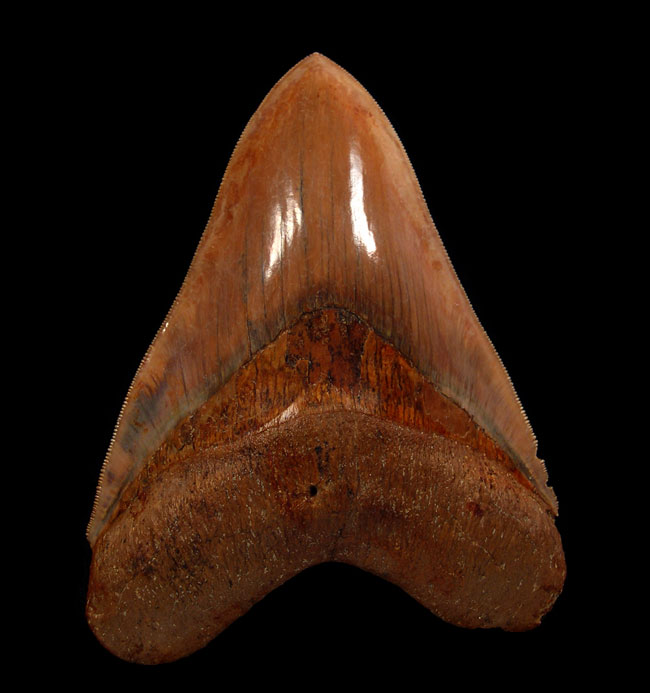
Holding a fossilized Megalodon tooth in your hand tells a story that stretches back millions of years. Collectors around the world continue to seek these prehistoric remnants, and among the most talked about sources today are fossils sourced from Indonesia. Interest in Indonesian Megalodon teeth is growing steadily, not just for their distinctive appearance but also for their increasing presence in the global fossil market. As more collectors show interest, the question naturally arises. Can buyers trust local Indonesian dealers to offer authentic Megalodon teeth?
Why Indonesia Attracts Attention in the Fossil Market?
Collectors pursue fossils that offer both visual impact and authentic backstories. In Indonesia, local diggers uncover Megalodon teeth in riverbanks and sediment-rich areas. These regions often preserve the teeth well, producing specimens with strong enamel and rare color variations. Over time, these locations have become key sources for large and intact fossil teeth. Collectors worldwide continue to take notice. What draws more interest, however, is not just the supply. It is the growing debate about how these fossils reach international buyers and whether the sellers at the source maintain the level of credibility buyers expect.
What Happens Between Discovery and Purchase?
The process does not always follow a clear path. Local diggers recover the fossils and sell them to intermediaries. These intermediaries might clean, alter, or restore the tooth before putting it on the market. Often, fossils change hands several times before they are listed online. By the time a buyer finds the product, they usually have little to no insight into how the fossil was handled or how accurate the presentation is. This chain lacks transparency and places responsibility on the buyer to assess the truth behind each listing.
How Sellers Might Alter Fossils Without Telling You?
Not every dealer intends to mislead, but some manipulate fossils in ways that affect their authenticity. They may polish the enamel to give the tooth a glossier look, fill in broken root sections with synthetic materials, or artificially darken the fossil to boost its appeal. If sellers do not clearly state these changes, buyers cannot make informed decisions. The issue does not lie in restoration itself. It lies in the lack of full disclosure. Buyers deserve more than just polished images and vague product descriptions.
Recognizing Sellers Who Value Transparency
Buyers can spot signs that suggest a seller respects their trust and values clarity:
● Reliable sellers offer clear, high-quality images from several angles, including close-ups of the serrations, enamel, and root.
● They explain in detail any restoration or preparation work that has been done on the fossil.
● They provide the origin of the tooth and how it was added to their inventory.
● They apply consistent grading standards and define what those grades mean.
● They respond directly to questions with specific and honest information.
Sellers who take these steps show that they respect both the fossil and the collector.
Why Local Diggers Might Not Know What You Need to Know?
Local diggers in Indonesia play a significant role in the availability of Megalodon teeth. They use simple tools and often lack access to preservation materials. After recovering fossils, they typically sell them quickly to generate income. These individuals help supply the market but may not know how to assess a fossil’s condition or identify subtle damage. Suppose buyers deal directly with local diggers without a means to confirm authenticity. In that case, they increase the risk of receiving fossils that have not undergone proper evaluation or restoration.
What Buyers Should Always Ask Before Committing?
To make informed choices and avoid issues, collectors should come prepared with specific questions:
● Was any restoration work done on the tooth?
● Can you share close-up photos of the enamel and the root?
● How did this tooth come into your collection?
● Has anyone changed the shape or color of it?
● What grade do you assign to it, and how do you define that grade?
When sellers hesitate or offer incomplete responses, collectors should consider looking elsewhere. Sellers who operate with integrity welcome these questions and answer them without hesitation.
How Grading Brings Structure to Fossil Listings?
Grading creates a shared understanding between buyers and sellers. It defines the condition, quality, and visual appeal of a fossil. This system becomes especially helpful with Indonesian Megalodon teeth, which vary widely in preservation and treatment. Some teeth need only cleaning, while others require extensive preparation. Grading gives buyers context. It reduces uncertainty and helps them compare fossils more clearly. Sellers who take time to explain their grading method give collectors a better sense of what they are purchasing.
Common Issues Found on Online Marketplaces
Buyers who search for fossils on large platforms should remain cautious. Many sellers post listings with limited detail or recycled descriptions. Some common issues include:
● Product descriptions that leave out restoration or treatment history.
● Over-edited photos that hide flaws or exaggerate features.
● No mention of where the fossil came from.
● Weak or no return policies and limited accountability.
These gaps make it harder for buyers to trust what they see. Collectors should deal directly with sellers who specialize in fossils and value clear communication.
Why Smart Buyers Choose Trust Over Bargains?
Collectors who prioritize trust over discounts often reap greater benefits in the long run. Low prices can signal hidden problems. Experienced buyers understand that fossils with known origins and documented preparation usually offer better value over time. Building relationships with knowledgeable and honest sellers improves both the buying experience and the strength of any collection. Trust not only improves a single transaction but also enhances the overall experience. It shapes every future purchase.
Conclusion
Collectors face essential decisions when evaluating fossil sellers, especially those offering Indonesian Megalodon teeth. Some sellers operate with complete transparency and contribute real value. Others avoid questions or leave out essential details. Buyers should pay close attention to how sellers communicate, describe their fossils, and respond to questions. When transparency takes the lead, buyers not only find authentic fossils but also a sense of confidence and connection. The best collections begin with informed decisions and trusted sources.
Footnote
Fossil collecting thrives on patience, careful questions, and well-earned trust. Learn before you buy to give your collection the strength and story it deserves.