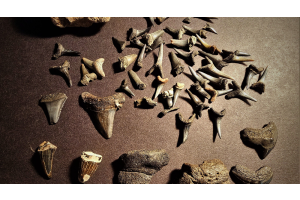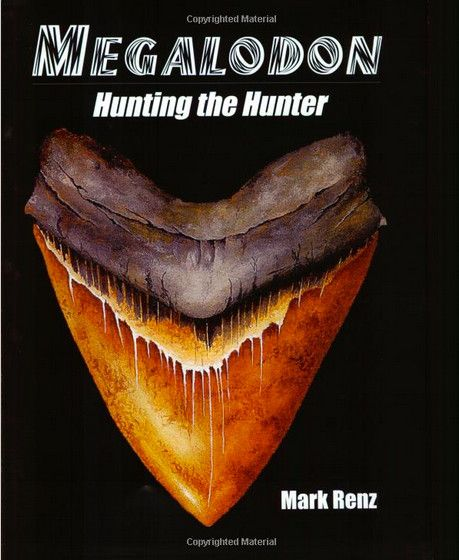
Fossil hunting tests more than your patience. It sharpens your ability to observe, move, and read the land. Megalodon teeth do not rest in plain sight. They wait, surrounded by layers of time and silence. Most people walk past them without realizing. Suppose you plan to go beyond casual searches and step into focused megalodon tooth hunting. In that case, this guide shows you how to recognize signs others miss. Every detail matters when your goal is to find the rare among the common.
Read the Land Before You Begin Megalodon Tooth Hunting
Start by scanning the ground for contrasts in color and texture. Pale or gray patches may indicate the presence of clay. Compact gravel can point to marine deposits. Examine the areas where rivers once flowed or where erosion has exposed different soil layers. These changes often indicate the presence of older deposits beneath the surface. Train your eyes to notice lines, ridges, and curves that break the pattern of loose soil or rock. Subtle variations often hide the very signs you came to find. In many productive locations, the richest fossil layers appear just below normal sediment. You need to stroll, watch where water may have stripped away soil, and spot differences that stand out.
Use Natural Water Movement To Expose Clues
Water clears what time covers. After storms or steady rain, creeks and ditches shift the top layer, revealing deeper sediment. Visit familiar locations after rainfall and watch for freshly washed surfaces. Teeth often collect in quiet bends or behind gravel build-ups where water slows. Sandbars and shallow slopes tend to trap heavier objects. Megalodon teeth settle in these places because movement brings them forward, but gravity holds them in place. After rain, you might spot new shapes or fragments in areas that looked flat the day before. Watch where debris settles, and investigate any patches that appear darker or more compact.
Spot Surface Cues Before You Dig
When something looks slightly out of place, pay attention. A hint of a curve, a different sheen, or a patch of color that contrasts with nearby sediment often tells you more than you expect. Kneel close and run your fingers over the area. Fossilized enamel usually feels cooler, denser, and smoother than the surrounding rock. These clues hide in plain sight. The human brain recognizes patterns naturally. When you see symmetry in the ground—triangles, curved edges, or sharp angles—stop and check.
Every good find begins with minor signs. The more you focus, the more your eyes adapt to what belongs and what might be more.
Track Broken Pieces To Locate Whole Teeth
A chipped edge or a broken root means you stand in the right place. Instead of moving on, focus on the area. Use a small tool or brush to uncover the surrounding sediment. Teeth rarely exist alone. Time and pressure may scatter them, but fragments often appear near larger pieces. Stay within the same layer where the piece appeared. Dig slowly and look for nearby clues. When you find a fragment, check within arm’s reach. Many collectors miss complete specimens because they walk away after one piece. Patience and close attention often bring the best discoveries.
Recognize Sounds That Signal a Find
Not every clue comes from sight. When your tool hits fossil material, the sound often changes. It feels denser and sounds fuller than wood or rock. Learn to listen while you dig. In megalodon tooth hunting, sound plays just as important a role as sight. When you hear that distinct difference, pause and work gently around it. You can avoid damage and confirm whether you struck a rock or something more important. Dig with short, careful movements. Pay attention to how the ground responds to every motion. Trust your ears as much as your hands. A fossil beneath your tool often makes itself known before it ever appears.
Watch for Shell Beds That Signal Marine Layers
Marine fossils often collect around shell beds. When you find compact layers of fossilized shells, you likely reached a place where sea life once thrived. These beds serve as markers for zones where larger remains, including those of megalodon, may be found. Clay packed with shell fragments holds ancient history. If the shells appear layered and pressed together, search just above and within that layer. Many significant finds come from slow, careful work around these natural indicators. Stay low, remove only small amounts of material at a time, and observe how each layer changes as you go.
Read the Surface for Texture and Color Changes
Small details give away significant finds. Learn to recognize shifts in color, texture, and shine. When one area reflects more light, feels smoother, or seems denser, check it closely.
Use these signs during every field search:
● The surface shows a shine or reflective spot that catches your eye.
● The texture suddenly feels smoother and heavier than the surrounding soil.
● A slight edge appears in the dirt with a sharp curve or unnatural angle.
● Color contrast breaks the flow of gravel or loose earth nearby.
● Your probe strikes something that feels compact and solid.
When you notice these changes, stay where you are. Let the signs lead you deeper.
Bring Tools That Help You See Better
Savvy fossil hunters carry tools that support observation. Heavy gear can slow you down or damage sensitive layers. Keep your kit light but effective. Select tools that facilitate the identification of clues and safeguard your discoveries. These essentials belong in every serious collector’s bag:
● A soft brush to clear soil without damaging specimens.
● A spray bottle to reveal surface contrast after dusting.
● A small probe for checking sediment gently.
● A flashlight for catching enamel shines in the shadows.
● A pouch for storing finds safely without scratching.
What matters is how you look, not how much you carry.
Return to Familiar Sites After Heavy Rain
Nature reshapes the land with every storm. Water washes away loose earth and reveals surfaces you could not see before. That riverbank or ditch where you found nothing last month might look completely different after a week of rain. Go back. Look again. Tooth hunting favors those who know when to revisit a site. Check sandbars, creek beds, and slopes again. Water clears the canvas. If you stay alert and take your time, the next layer may hold exactly what you came for.
Conclusion
Megalodon tooth hunting rewards those who combine instinct, skill, and focus. You will not find a perfect tooth every time, but when you study the land, listen for differences, and return with patience, you give yourself a real chance. The ground offers clues. Learn how to read them. Trust your tools, your touch, and your experience. Those quiet signs on the surface hold ancient stories beneath them. Look closely, and you might uncover one.
Footnote
Every fossil tells a story, but only those who observe ever hear it. Dig slow, think sharp, and read the ground like a living