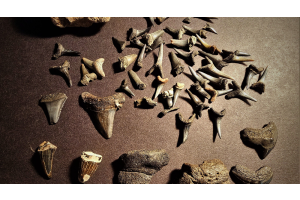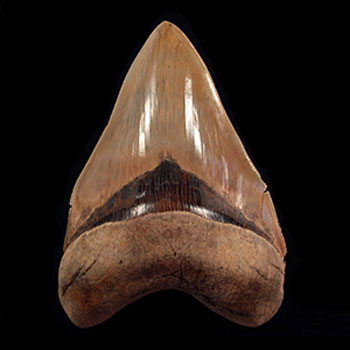
When a man finds a tooth of megalodon in an area most collectors overlook, the discovery forces a shift in how we think about fossil hunting. That single moment speaks to something larger. It challenges the notion that only well-known fossil sites are significant. It reminds us that ancient remnants often lie buried in places where people abandon or ignore them. For fossil collectors, this becomes a real opportunity. This discovery revives questions about land, erosion, timing, and strategy. It opens the door for fresh exploration in spaces we once considered exhausted or unpromising.
Why This Discovery Demands a Fresh Look
Most seasoned collectors follow routines. They search in rivers known for marine fossils or visit places where past discoveries have often happened. That pattern makes sense. These areas build reputations because they deliver. But fossils do not follow public memory. Sediment moves. Water uncovers. Wind and rain reshape the land. What lay hidden ten years ago may now rest just inches from the surface. This is precisely what happened when the recent Megalodon tooth emerged. The person who found it was not digging in a mapped-out spot. He followed curiosity. That choice made all the difference.
How Familiar Habits Can Block New Finds?
Many collectors return to the exact locations out of habit or confidence. They carry expectations and work those sites hard. But that strategy can backfire. Over-reliance on well-known areas often leads to missed opportunities elsewhere. When less-visited zones shift due to rain, flooding, or natural wear, they quietly reveal what is unseen. The discovery of a Megalodon tooth in such a location suggests that a narrow search pattern may keep valuable fossils out of reach.
Some key points to consider:
● Erosion may expose fossil layers that did not exist last year.
● Natural shifts in land can bring older sediment to the surface.
● Overlooked areas often have low competition among collectors.
● Success depends more on awareness than location history.
What This Means for Curious Collectors?
This kind of find sends a message. Fossil hunting should include more than tradition. It requires awareness and a willingness to look beyond old maps. Some of the best discoveries happen when collectors explore the edges of familiar sites or walk terrain others dismiss. That strategy does not guarantee success, but it increases the chance of a surprise. A Megalodon tooth does not care if its location ranks high in guidebooks. It lies where ancient seas left it. It takes a prepared eye and an open mind to spot it when the land shifts.
Understanding How Forgotten Sites Offer New Chances
Land changes constantly. What once served as a dry forest could now be sediment-rich after a few seasons of heavy storms. Shallow creeks cut new paths through old layers. Construction clears vegetation and exposes ground that has not been studied before. Those conditions create ideal chances for new fossil discoveries. That is why collectors should revisit areas they left behind. With varying weather patterns, erosion, and nearby human activity, these places may no longer resemble their original state. They may hold more than people realize.
Let us look at what to watch for in forgotten sites:
● Exposed surfaces from recent land development.
● Washed-out edges of dried streams or ponds.
● Fresh layers are visible after seasonal erosion.
● Subtle changes in soil texture or color.
Why Does This Find Open a Bigger Story?
When a man finds a tooth of megalodon where most would not think to look, his discovery shakes up more than assumptions. It fosters a deeper understanding of how land reveals its history. Fossils do not emerge at random. They appear when the environment sets the right stage. Those who learn to read those signs increase their chances of finding something remarkable. Collectors must not only know where fossils once came from, but where the ground now invites fresh searching.
How the Market Responds to New Fossil Origins?
Collectors, sellers, and enthusiasts all closely watch for new finds. A rare fossil from a familiar location earns value. However, when that fossil appears in an unusual location, it adds something more. It offers a story, a mystery, and often a renewed focus on that area. That shift impacts the market. Serious collectors ask more profound questions. They reevaluate their maps, ponder past missed opportunities, and start looking at regions with fresh interest. This adds excitement, but it also builds strategy.
Buyers seek more than objects. They want context. They value fossils that come with a meaningful backstory. When that story includes an unusual site, it lifts the fossil's appeal. It becomes a piece of ancient history and modern rediscovery. Sellers notice that interest and adapt accordingly. This cycle keeps the fossil world moving forward, striking a balance between tradition and change.
How Observant Collectors Gain an Edge?
This story does more than highlight one tooth. It reflects what can happen when someone moves outside comfort zones. It reminds collectors that the earth continues to shift, sometimes in small ways that reveal significant finds. By paying closer attention to previously overlooked areas and studying how terrain changes, collectors gain a better understanding of where to go next. They move from passive searching to an active strategy. They stop guessing and start reading the signs left behind by time.
Here is how astute collectors approach discovery:
● Revisit old sites after significant weather changes.
● Scan low-traffic zones with new attention.
● Study land movement patterns, not just fossil maps.
● Learn from others who find success outside typical hotspots.
A Moment That Reconnects the Community
Stories like this one matter because they reset the mindset. They strip away the idea that fossil hunting only succeeds in famous locations. They reward those who observe, stroll, ask questions, and try again. The person who uncovered the Megalodon tooth did not win a lottery. He trusted the signs, responded to the terrain, and stayed curious. That behavior opens doors for others who want more than what the guidebooks suggest.
Conclusion
When a man finds a tooth of megalodon in a forgotten patch of ground, he gives the fossil world a reason to look again. That one moment creates fresh interest, stirs imagination, and reclaims attention for places we thought had nothing left to offer. These are not just stories. They are lessons. They tell collectors to keep watching, keep learning, and keep searching beyond what feels familiar—the past lives underfoot, often where we least expect it.
Footnote
Changing terrain continues to shape where fossils surface, reminding collectors that curiosity and timing often reveal more than any map.