

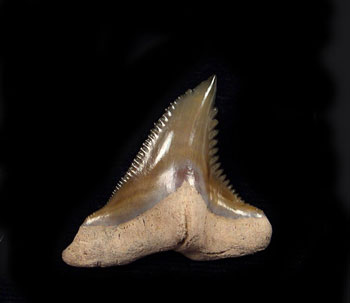
Collectors often notice something puzzling when browsing for shark teeth. Two specimens can come from the same shark species, yet look completely different and carry very different price tags. These variations are especially common with the snaggletooth shark tooth, known for its bold curves and serrated edges. Shape and price do not always follow predictable rules, which can lead to confusion for both new and experienced buyers. This guide explains how visible differences in these fossils directly affect their value, appeal, and placement in any collection.
What Affects the Price of a Snaggletooth Shark Tooth?
The tooth of the snaggletooth shark stands out because of its varied appearance. Some fossils display a broad curve, while others look more vertical and narrow. The curved specimens usually offer more visual interest and often appear more aggressive in form. Others may show cleaner lines or a more symmetrical shape. These visual traits matter to collectors who prefer bold features or specific jaw positions. Some buyers look for sharper serrations, while others focus on balance and structure. The more a tooth shows its natural form, the more attention it draws.
Fossil Condition as a Pricing Factor
Every fossil tooth available on the site comes with a unique condition. Some are listed as having exceptional preservation with no restoration. Others include notes such as partial root loss or minor repair. These details influence pricing. A fully intact tooth with original root and edge structure usually commands a higher price than one with visible wear. Buyers often check for clean crowns, defined edges, and the absence of modern alterations. These qualities signal authenticity and make a fossil more desirable to those who want natural appeal.
Shape Variation Based on Jaw Placement
Many Hemipristis specimens show clearly labeled jaw positions, such as upper jaw or lower jaw teeth. These positions naturally affect the tooth shape. Upper jaw teeth tend to curve more and feature wider crowns. Lower jaw teeth appear narrower and more upright. Both types have value, but the curved upper teeth often carry more visual impact, which can increase their price and demand. Collectors seeking a balanced display may look for both jaw types to show variety. The contrast between the two styles adds depth to a fossil set.
Color and Surface Finish
The site offers fossils in a wide range of colors, from light brown to dark black. Some teeth show rich earthy tones, while others have a glossy surface or muted natural finish. These differences may result from the conditions under which the teeth fossilized. However, the site does not describe the specific formation conditions. A snaggletooth shark tooth with deep, even color often looks more striking in display settings. Buyers often select based on aesthetic preference. While color alone does not drive price, it can influence buying decisions.
Buyers Focus on These Visible Traits
When collectors review fossil listings, they often focus on several physical signs. These traits help determine whether a tooth meets their expectations.
● Intact root without visible repair or glue.
● Sharp edges with precise serrations.
● No artificial polish on the enamel.
● Balanced shape with minimal distortion.
● Consistent color and texture.
Teeth that meet these criteria usually fall into a higher price tier. When one or more of these traits show imperfections, the price tends to adjust accordingly. Not all flaws reduce value. Some collectors accept minor wear if the overall shape remains strong.
Details That Make a Tooth More Collectible
Aside from condition and shape, collectors also respond to rarity and uniqueness. A large Hemipristis tooth with a complete root and full enamel coverage may sell quickly, especially if it has a bold curve or intense color. Listings marked as rare or sold out show how quickly some specimens sell out. The presence of restoration also influences perception. Fossils described as unrestored may appear more valuable to buyers who want original condition. Price reflects these details, and experienced collectors often move quickly when they see an ideal combination.
Myth vs Fact Block
|
Myth |
Facts |
|
Larger shark teeth always cost more. |
Size does not outweigh condition or completeness. |
|
All teeth from the same species look identical. |
Jaw position changes shape and curve noticeably. |
|
Glossy teeth have higher value. |
Natural finish is often preferred over artificial shine. |
Final Thoughts on Shape and Price
No two snaggletooth teeth offer the same shape, condition, or visual strength. When you explore listings, pay close attention to the features that stand out. Sharp serrations, solid roots, balanced form, and natural surface details help define quality. In the case of the snaggletooth shark, shape often comes from jaw position, while price reflects how well the fossil preserved those original traits. Each piece offers a different visual story and collecting experience. By understanding what affects these differences, you make better buying decisions and build a collection that truly reflects your interests.






