Not every fossil holds the same weight, but a well-preserved megalodon tooth from North Carolina offers more than just a glimpse into prehistoric life. It provides a tangible connection to an apex predator that once ruled ancient seas. Still, not all megalodon teeth meet the standards collectors expect. When you learn how to tell a high-grade specimen apart from the rest, you avoid settling for less and gain a fossil with lasting significance. This guide walks through the key traits that set premium-quality teeth apart, using only the insights found on our fossil listing page.
What Defines a High Grade Megalodon Tooth From North Carolina?
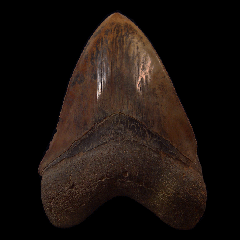
A high-grade fossil tooth tells its story through preservation, color, shape, and completeness. We only label a specimen as top quality when it checks all those boxes. You should expect excellent enamel conservation. That surface should remain strong, smooth, and unflaked. The root must also remain whole and undamaged, not broken or artificially filled. Look at the blade next. Serrations should be visible, crisp, and mostly complete. The tip must remain sharp and unbroken. If any of these elements are missing or altered, the fossil no longer qualifies as high-grade. These are not surface-level differences. They determine whether the tooth is a collectible or just a curiosity.
Why Do North Carolina Specimens Stand Out?
Teeth from North Carolina come from fossil-bearing layers rich in iron minerals. That environment often produces fossils with a distinct copper-red color. Collectors value this tone because it forms naturally and rarely appears in megalodon teeth from other regions. It does not simply look unique. It proves the tooth came from specific geological conditions only present in this part of the world. This site features hand-selected North Carolina fossils that show this coloration and also meet strict quality standards. When a tooth shows copper-red hues, firm structure, and natural surfaces, it earns its place in any fossil collection. It is not just a relic. It is a specimen with identity and regional value.
Key Traits That Define Collector Quality
If you want to make an informed decision, examine these features:
● Color and surface tone: A deep copper-red hue indicates a genuine North Carolina origin and favorable preservation conditions.
● Blade shape and tip: The overall triangular shape should remain intact, with a sharp, complete tip indicating minor wear.
● Root integrity: High-grade teeth retain a whole root without breaks, chips, or visible repairs.
● Serration quality: Clear, sharp serrations increase value and indicate excellent fossilization without surface loss.
Every product we offer from North Carolina lists these characteristics so you can view them clearly before purchase. Photos and descriptions match the actual specimen and provide all the visible markers needed for confident selection.
Display and Storage Tips for Longevity
Once you select a megalodon tooth from North Carolina, proper handling helps preserve it. Avoid exposing your fossil to direct light or humidity. Please place it in a secure case or shelf where vibration and dust do not interfere with the surface. If the tooth shows sharp serrations, store it carefully to avoid unintentional wear.
Collectors who take care of their fossils protect more than just appearance. They preserve history. That simple effort allows the tooth to hold its value and remain part of a curated fossil collection for years to come.
How Preservation Adds to Rarity?
Many fossils show signs of age, erosion, or damage from their time in the ground. That’s natural. But when a tooth survives with complete features and no restoration, it becomes harder to find and more valuable. The listings on this page clearly note when a specimen has undergone no repair or restoration. That matters. We present only natural fossils that hold their original form: no fillers, no enhancement, and no reshaping. Collectors who prefer original, untouched fossils recognize that this detail adds credibility. The condition speaks for itself. When a tooth emerges from the ground with full serrations, a complete root, and no restoration, it is a rare find.
Misconceptions to Avoid When Choosing a Fossil
Many new collectors look at size or shine as a sign of value. That method can lead to disappointment. Here are some myths to avoid:
● Bigger teeth do not always hold more value. If they lack completeness, they do not match the standard of a high-grade piece.
● Shiny surfaces may look attractive, but could result from artificial polishing.
● An intense color does not replace missing features. The best fossils combine rich color with structural integrity.
Fossil teeth that check only one box seem appealing at first glance. But when you focus on long-term value, balance matters more than size or tone alone.
Why Does This Fossil Belong in Serious Collections?
A top-grade megalodon tooth from this region brings more than display value. It offers a direct link to ancient marine life. North Carolina’s fossil-rich layers help produce teeth that retain structure, color, and form in a way that sets them apart from others. When you select a tooth with a strong tip, whole root, copper-red tone, and intact serrations, you gain more than a product. You gain something authentic and lasting. You can find a megalodon tooth listed on this site that meets those high expectations. Each piece is photographed individually and described with clarity so you can view its qualities without guesswork. These are not mass-market finds. They are rare fossils made visible through careful sourcing and honest presentation.
Final Thought for the Serious Buyer
Every collector deserves a fossil that holds meaning and value. When you understand what makes a megalodon tooth found in North Carolina special, you can choose one with purpose. These fossils carry the weight of time, but also the clarity of origin, preservation, and selection. Owning one means you see more than size or shape. You see the whole story.