

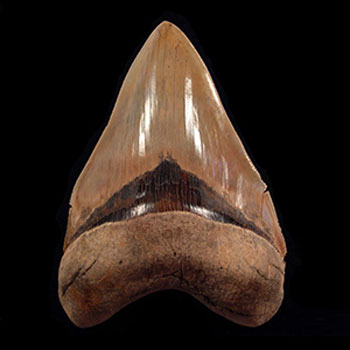
The Atlantic coastline has always held secrets. Whispered legends of shipwrecks, buried treasure, and prehistoric giants swirl in the salty air. For beachgoers and fossil lovers alike, one of the most exciting discoveries is a glimpse into a time when the ocean was ruled by the largest predator ever to exist—the megalodon.
These ancient giants once roamed the seas with teeth that could grow longer than a human hand. Today, the idea of uncovering one of those teeth during a casual beach stroll feels like something out of a dream. But what if it’s more than possible? What if it’s happening right now, quietly, beneath your feet?
In fact, recent stories of a megalodon tooth ocean isle find have stirred curiosity, sparking a wave of new fossil hunters hoping to unearth their own prehistoric relics.
What Makes Megalodon Teeth So Fascinating?
Millions of years ago, the megalodon dominated the ocean’s food chain. With jaws that could crush bones and teeth designed for tearing through massive prey, this creature left behind one of the most enduring legacies—its fossilized teeth.
Unlike bones, shark teeth fossilize easily due to their dense structure and high levels of fluoride. A single tooth can survive for millions of years, becoming a prized find. Their glossy finish, serrated edges, and triangular shapes make them instantly recognizable—and incredibly collectible.
No two megalodon teeth are alike. The coloration varies depending on the sediment in which they fossilized, ranging from deep blacks to rich browns and rare blues. Some are worn smooth by time and tide, while others are remarkably preserved, retaining fine detail and sharp ridges.
Why Coastal Carolina is a Fossil Hunter’s Dream
Ocean Isle, a peaceful barrier island in North Carolina, offers more than scenic beauty. The coastline here is shaped by erosion, currents, and shifting sands—all ideal conditions for exposing ancient fossil beds.
What was once buried beneath layers of sediment and shells may appear without warning after a strong tide or a passing storm. Fossil hunters know to look out for heavy rain or beach replenishment projects, when the movement of the shoreline reveals layers of the past.
This stretch of coast is no stranger to prehistoric secrets. The waterways around it, including the Cape Fear River and surrounding marshes, are known fossil zones. It’s no wonder that amateur and seasoned collectors alike flock here in search of their own ancient finds.
One Find Can Change Everything
Among the many who search these beaches, stories continue to emerge of thrilling discoveries. A megalodon tooth found in North Myrtle Beach recently sent ripples through local fossil communities.
This particular specimen—larger than most and beautifully preserved—was discovered after a night of strong tides and heavy rain. The collector, initially searching for shells, noticed something darker and heavier wedged between coquina rock fragments. After a gentle rinse in ocean water, the iconic serrated edge appeared.
Moments like these are unforgettable. The realization that you’re holding a 5-million-year-old remnant of a prehistoric predator is difficult to put into words. The weight, both literal and symbolic, makes the experience surreal.
How to Increase Your Chances of Finding One
Though luck certainly plays a role, a few innovative strategies can help increase your odds. Early mornings and low tide walks tend to be the most productive. The soft morning light also makes it easier to distinguish the dark sheen of a fossil from a shiny shell.
Strolling, scanning the tide line, and paying attention to clusters of shell fragments can make all the difference. Megalodon teeth often appear alongside other fossilized shark teeth, stingray barbs, and prehistoric shells.
Tools like sand scoops or sifters can be helpful, especially when combing through coquina rock or sand piles. But more important than gear is patience, observation, and an appreciation for the story behind each find.
Beyond the Beach: Preserving and Displaying Your Find
Once you've made a discovery, cleaning and preserving your megalodon tooth is part of the fun. Start with gentle rinsing using fresh water and a soft toothbrush. Avoid using soap or chemicals that could damage the fossil's natural finish.
Some collectors choose to display their finds in shadow boxes or on minimalist stands to showcase their form. Others prefer to keep them in padded cases alongside identification tags, especially for teeth with unique features like feeding wear or full serrations.
For those looking to expand their collections or study fossilized shark teeth more closely, online resources and fossil communities offer insights and guidance. Whether trading, researching, or simply admiring, each tooth connects you to a fascinating chapter in Earth’s history.
What These Discoveries Remind Us Of
Stumbling across a megalodon tooth is more than a beachside thrill—it’s a humbling reminder of life’s incredible timeline. These teeth aren’t mere objects; they’re time capsules that offer a peek into a world long gone.
The next time you find yourself on the shores of Ocean Isle or exploring the sands of North Myrtle Beach, keep your eyes open. The past may be closer than you think—hidden among the shells, waiting to be uncovered.
Whether you're a seasoned collector or a curious beachcomber, these coastlines invite you to slow down, observe, and connect with the natural history beneath your feet.
Ready to start your search or add to your collection? Explore one of the largest selections of authentic fossilized shark teeth online and find your next prehistoric treasure today.






