Page 91 - Home Page Latest Post
- - September 18, 2025
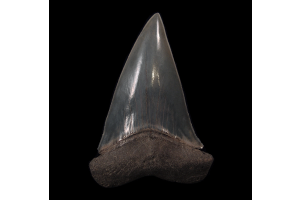
Every serious collector remembers the first fossil that stopped them in their tracks. A tooth that seemed to glow under the case lights. A root so sculpted it looked handmade. That is the feeling Sharktooth Hill is famous for inspiring, not with volume but with specimens that feel singular and storied. In this article, the focus is on quality, history, and the sort of provenance that turns admiration into ownership of a Sharktooth Hill Megalodon tooth.
Why Sharktooth Hill keeps collectors talking
Sharktooth Hill sits inland near Bakersfield, California, where a warm Miocene sea once rolled over whales and giant sharks. The site’s geology preserved teeth in fine silt, and that quiet matrix gave them a look you can spot across a room. Enamel tones lean tan and honey with charcoal whispers. Bourlettes can appear cinnamon or chestnut. Serrations are coarse and satisfyingly sharp from base to tip. Some teeth show the interlocking root indentations and the small root ears that mark early to
- - September 18, 2025
When you imagine holding a piece of prehistory, your mind might wander to dinosaur bones or trilobites. But nothing quite matches the commanding presence of a massive fossilized shark tooth. Among the most famous examples ever recovered are those associated with the HMS Challenger expedition of the 1870s. These specimens, often referred to as an HMS Challenger megalodon tooth, have become icons of both natural history and stylish fossil collecting.
So how do you turn a relic like this into the centerpiece of your home or office? It is not just about placing a fossil on a shelf. It is about creating an atmosphere of wonder, refinement, and a touch of daring chic. Let us explore how to design a display that not only honors the history of this incredible creature but also fits seamlessly into your living space.
Understanding the Appeal of Megalodon Teeth
Before diving into interior design tips, it helps to appreciate why these teeth are so captivating. Megalodon was not your average shark.
- - September 18, 2025
Most people see a fossilized shark tooth and think, “Cool.” But for seasoned collectors, the fascination goes far deeper. Especially when we start talking about the largest megalodon tooth ever found. This isn’t just a curiosity you pick up at a gift shop. It’s a piece of Earth’s history so rare and so colossal that only the most serious fossil enthusiasts are willing to chase it down.
So why exactly does this level of obsession belong to a select few? Let’s explore why these mammoth fossils matter and what makes them irresistible to collectors who treat paleontology as both science and art.
Megalodon Wasn’t Just a Shark
Imagine a predator longer than a school bus, with jaws powerful enough to crush whale bones. That was the megalodon. Unlike most prehistoric creatures whose skeletons dissolved long ago, these sharks left us their teeth. Thick, serrated, and as long as your hand, each fossil offers a glimpse into a world where survival was dictated by bite force.
For casual collectors,
- - September 17, 2025
Have you ever looked at your fossil collection and thought, “This would be way cooler with a giant shark tooth in it?” If your dinosaur teeth just aren’t cutting it anymore (pun intended), then maybe it’s time to think big, really big. Like, Megalodon is big.
We're diving into why so many fossil fans and collectors are going wild to buy megalodon teeth, where you can find them, and whether owning one of these ocean monsters is even legal (spoiler: it is). Let’s sink our teeth into the story behind the biggest bite in prehistoric history.
What Makes Megalodon Teeth So Darn Awesome?
Imagine a shark so large it could swallow a killer whale whole. That was the Megalodon, the largest predatory fish to have ever existed. These ancient sharks measured up to 60 feet in length and boasted teeth the size of your hand.
That’s why when people buy a megalodon tooth, they’re not just buying a fossil. They’re holding a prehistoric weapon, a relic of a beast that ruled the oceans over 3 million
- - September 17, 2025
Not all treasures lie hidden in chests beneath the waves, some are scattered across beaches and buried in layers of ancient rock, waiting to be discovered by curious eyes. Among the most extraordinary of these treasures are fossilized shark teeth. They tell a story of survival, dominance, and extinction that spans millions of years. While bones and delicate marine remains often vanish into geological time, shark teeth endure, making them among the most common and fascinating fossils ever found.
But beyond their sheer abundance lies something even more compelling: the teeth of the Megalodon, the colossal apex predator that once ruled Earth’s oceans. These teeth, some as large as a human hand, represent the legacy of a creature so immense that its very name, Megalodon, meaning “large tooth”, testifies to its most iconic feature.
In exploring why shark teeth fossilize so frequently, we also uncover the incredible story of the 7 inch Megalodon tooth for sale and the role its powerful jaws
- - September 17, 2025
There are few experiences more thrilling than holding a genuine piece of prehistory in your hands. Imagine unboxing a fossil that once belonged to the ocean’s most fearsome predator, a shark so massive and powerful that even whales fell prey to its jaws. That’s the excitement “My First Megalodon” delivers. More than just a fossil, this tooth is an entry point into a world of discovery, education, and collecting.
For new fossil enthusiasts, students, and gift-givers alike, Megalodon - My First Megalodon, is more than just an object. It’s an invitation into history, science, and storytelling. Let’s explore why this piece stands apart as the perfect starter fossil for anyone ready to begin their collecting journey.
A Genuine Piece of Prehistoric Power
The heart of its appeal lies in authenticity. My First Megalodon isn’t a replica or a manufactured keepsake, it’s the real deal. These fossilized shark teeth are Miocene in age, dating back approximately 15 million years. Each specimen originates
- - September 17, 2025
Some fossils fascinate, fossils that excite, and then there are fossils that command silence the moment they are revealed. Among shark tooth collectors, one type stands above all others in that category: the Copper-Red Megalodon tooth. These brilliant specimens, with their fiery glow and impeccable preservation, aren’t just pieces of natural history, they are icons of rarity and prestige. To hold one is to hold not just a fossil, but a legend.
In the world of paleontology and fossil collecting, the words “rarest of the rare” are thrown around with care, reserved only for specimens that combine geological uniqueness, visual allure, and scarcity. Otodus Copper-Red site Megalodon teeth check every box. But what makes them so legendary, so worthy of awe?
Let’s dive deep into their story.
A Predator That Left a Legacy
Before exploring why the copper-red specimens stand apart, it’s important to recognize the creature behind them: Otodus (Carcharocles) megalodon, the most fearsome shark ever
- - September 17, 2025
When you hold a Megalodon tooth in your hand, you are not just holding a piece of fossilized enamel, you are holding a fragment of Earth’s history, sharpened by time and shaped by an apex predator. These massive teeth, some exceeding six inches in length, are more than just ancient relics. They are time capsules that capture the story of entire geological epochs: the Miocene and Pliocene eras. Each serrated edge whispers of a bygone ocean, where the largest shark to have ever existed patrolled the seas, feeding on whales and reshaping marine ecosystems with unmatched power.
Unlike ordinary fossils, Megalodon teeth for sale carry within them the scale, the force, and the drama of an animal that could bite through bone with an estimated 180,000 newtons of pressure—the most powerful bite force of any creature known. They are not just remnants; they are storytellers of deep time, recording not only the anatomy of a species but also the dynamic environment in which it thrived.
Let’s explore
- - September 17, 2025
Few relics command as much awe as a Megalodon tooth. Serrated, weighty, and built for tearing through prey millions of years ago, these fossils are more than collectibles, they are evidence of a predator that once ruled Earth’s oceans without rival. Today, the thrill of discovery continues, not in distant seas, but in riverbeds, coastal plains, and fossil-rich sediments across the United States.
For those bold enough to seek them, the U.S. remains one of the world’s greatest hunting grounds for authentic Megalodon shark teeth, with certain states offering extraordinary opportunities to uncover these prehistoric treasures.
Let’s take a confident look at the best states to find Megalodon teeth fossils, each with its own unique story and geological riches.
Florida: Fossil Coastlines That Never Disappoint
Florida is a fossil-hunter’s paradise. Known as the “Shark Tooth Capital of the World,” the state’s Gulf Coast beaches, especially Venice Beach and Caspersen Beach, are hotspots for Megalodon
- - September 17, 2025
When you hold a fossilized shark tooth in your hand, you’re not just having a piece of bone—you’re holding a story. Each ridge, curve, and serration is a silent record of life in the oceans millions of years ago. Among the most famous teeth ever discovered are those of the Megalodon, the prehistoric giant that ruled the seas, and the Great White Shark, the apex predator still patrolling our oceans today. At first glance, both teeth look sharp and menacing, but a closer inspection reveals profound differences that tell us much about how these two predators lived, hunted, and thrived.
So, why do Megalodon teeth and Great White teeth look so different? The answer lies in their size, shape, diet, and even the age of the teeth themselves. These differences offer fascinating insights into the way each shark adapted to its world.
The Giants of the Sea: Megalodon’s Legacy
The Megalodon, which lived between 23 and 3.6 million years ago, was one of the largest predators the Earth has ever seen.