

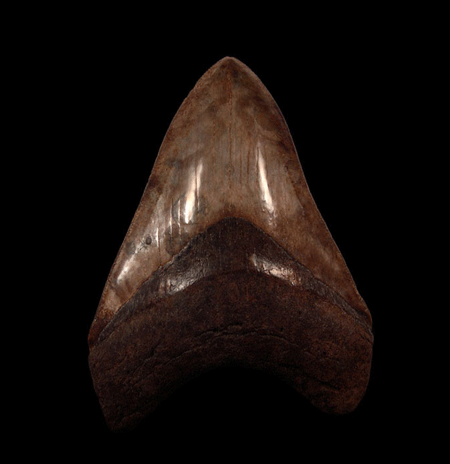
For anyone fascinated by ancient ocean life, holding a megalodon tooth is like touching time itself. These fossils connect us directly to a shark that could grow more than fifty feet long and once ruled the seas. They are sought after by collectors, researchers, and hobbyists alike. Yet, with such high demand, forgeries and replicas often slip into the market. It’s here that the question of how to tell if a megalodon tooth is real becomes so essential. Knowing the difference isn’t only about protecting your wallet—it’s also about preserving the actual connection to Earth’s prehistoric history.
Collectors may wonder whether the shiny specimen they found at a shop, show, or online is genuinely fossilized or simply a cleverly crafted replica. This curiosity isn’t misplaced, because fakes can be convincing. Fortunately, with patience, knowledge, and careful observation, it is possible to distinguish authentic fossils from imitations.
Why Authenticity Matters More Than Ever
A real megalodon tooth is more than a decorative object. Each one is a fossilized record of a predator that lived millions of years ago, offering clues about ancient oceans and ecosystems. Paleontologists study these fossils to learn about shark evolution, oceanic shifts, and even extinction events.
When a tooth is fake, none of that history exists. It’s simply a crafted object. While replicas have their uses—especially in classrooms or as affordable displays—they should never be confused with genuine fossils. Authenticity matters because it preserves the link between collector and history. Owning a real tooth means holding something that once cut through prey in the deep seas long before humans ever appeared.
The Story Told by Texture
Texture is one of the first things to examine. Fossilized teeth develop a unique surface feel after millions of years underground. The enamel usually has a subtle grainy quality, while the root is porous and rougher, sometimes resembling stone. These textures come from mineral replacement during fossilization.
Fake teeth, however, often feel too smooth or overly polished. Some replicas are made of resin or plaster, giving them a glassy finish. Others may look artificially “perfect” with no natural flaws. By gently running your fingers along the tooth, you can often detect whether it has the authentic unevenness of fossilized enamel or the uniform smoothness of something manufactured.
Natural Coloring and Mineral Influence
The fossilization process also influences color. Authentic teeth take on shades based on the minerals present in the surrounding sediment, ranging from black to gray, tan, brown, or even bluish hues. These tones often appear layered or blended, revealing depth and complexity. Each genuine tooth carries a one-of-a-kind palette.
Replicas, in contrast, usually have flat, uniform coloring. Some even look painted, lacking the depth and variation of mineral absorption. If the color seems too bright or consistent across the entire tooth, it’s a strong indicator that it may not be real.
Understanding Restoration vs. Forgery
It’s essential to recognize that some genuine teeth have been partially restored. This happens when a fossil is damaged during recovery, and restorers use resin or filler to repair broken edges. These repairs don’t negate authenticity—they preserve the fossil’s integrity for display or study.
However, there is a fine line between restoration and forgery. A tooth that is entirely cast in resin or heavily modified to appear larger than it is should not be mistaken for authentic. Collectors should be cautious when the entire crown or root seems unnaturally uniform, as that may point to complete fabrication rather than minor repair.
Size, Shape, and Symmetry
Size often draws the most attention, as megalodon teeth can reach astonishing dimensions. Yet size alone doesn’t prove authenticity. A six-inch tooth could still be fake, while a three-inch one might be genuine. Instead, the focus should be on proportions.
Natural megalodon teeth show variation in symmetry, serrations, and taper. The crown narrows to a point, and serrations—if present—are usually fine and gradually become smaller toward the tip. Replicas sometimes exaggerate symmetry or create serrations that appear too uniform, betraying their artificial origins. Comparing potential purchases with reference photos of known specimens is a valuable method for testing realism.
The Role of Weight and Density
One of the simplest yet most effective checks involves weight. True fossil teeth are mineralized, meaning the organic material has been replaced by stone over millions of years. As a result, they feel heavy and dense when held.
Counterfeits made from resin or plastic tend to feel lighter than expected. Even large fake teeth may seem oddly hollow. Collectors who have handled authentic fossils before often notice this difference immediately. The “heft” of a genuine fossil is hard to replicate convincingly.
Serrations as Telltale Clues
The serrated edges of megalodon teeth, when preserved, are another feature to examine. Authentic serrations look sharp yet naturally worn, tapering toward the crown’s tip. Under magnification, they may even show tiny imperfections caused by millions of years of wear and fossilization.
Forgeries often attempt to recreate these serrations, but the results usually appear too even, too sharp, or too recently carved. If the edges appear machine-cut or unnaturally consistent, likely, the tooth is not genuine.
Relying on Trusted Sources
Self-examination is necessary, but comparing your specimen against known examples from museums, fossil shows, or reputable fossil literature is invaluable. Photographs and documented specimens provide a visual benchmark. Collectors who frequently study real fossils train their eyes to catch the subtle details that distinguish genuine pieces from reproductions.
For those considering high-value purchases, sticking to trusted sellers or obtaining certification is essential. Documentation and provenance can provide peace of mind when evaluating the authenticity of an item.
Seeking Expert Evaluation
Even experienced collectors sometimes need a second opinion. Paleontologists, fossil preparators, or seasoned fossil dealers can often confirm whether a specimen is authentic. In rare cases, laboratory analysis of mineral content might be necessary. Seeking expert advice is especially wise for larger or more expensive teeth.
This step is not a sign of inexperience, but rather a sign of caution. Fossils are investments, both financially and historically, and getting them verified ensures that the investment is secure.
Growing as a Collector
Becoming skilled at spotting authentic fossils takes time. Each tooth you study, handle, or compare builds your knowledge. Over time, small details—such as enamel texture, weight differences, or subtle serration patterns—become easier to recognize. The process of learning adds another layer of enjoyment to the hobby of fossil collecting. It transforms a simple purchase into a journey of discovery and confidence.
Conclusion
For anyone curious about how to tell if a megalodon tooth is real, the answer lies in patience and observation. By studying texture, color, weight, serrations, and even restoration signs, collectors can separate authentic fossils from forgeries. The process not only helps avoid disappointment but also enhances appreciation for the millions of years each fossil represents.
Owning a real megalodon tooth means holding a direct connection to an ancient predator that once ruled the seas. While replicas may decorate a shelf, genuine fossils carry the untold history of prehistoric oceans. If you’re ready to begin collecting or expand your collection, take the time to compare, study, and when in doubt, consult an expert.
Ready to explore the fascinating world of fossil collecting with confidence? Start by applying these simple methods, studying authentic examples, and seeking expert guidance when needed. Each genuine fossil has a story waiting to be uncovered—make sure yours is the real thing.






