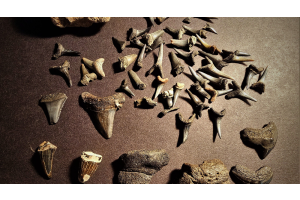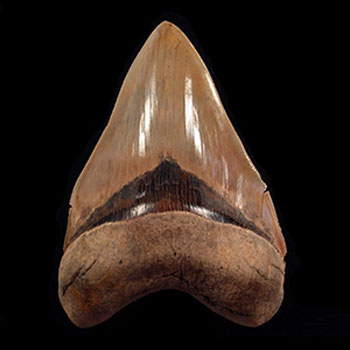
Imagine holding a relic that once belonged to the most fearsome predator of prehistoric oceans. Sharks have roamed the seas for millions of years, but one species, in particular, remains etched in human fascination—the megalodon. Its teeth are some of the largest ever discovered, dwarfing those of modern great whites. These fossilized treasures carry with them not only scientific importance but also a sense of mystery and awe. For collectors and enthusiasts, finding a megalodon shark tooth for sale is akin to discovering a piece of natural history that connects us to a time when the oceans were ruled by giants.
Transitioning from curiosity to deeper appreciation, let’s explore why these fossils hold such a magnetic appeal, what makes them valuable, and how they continue to inspire awe across generations.
The Fascination With Ancient Predators
The megalodon, whose name translates to “big tooth,” thrived roughly 23 to 3.6 million years ago. These creatures could reach lengths estimated at 50 to 60 feet, making them one of the largest marine predators in Earth’s history. Their teeth, sometimes measuring more than seven inches, are a testimony to their immense size and strength.
For many, collecting fossils isn’t merely about owning an object—it’s about holding a tangible story of survival and extinction. A megalodon tooth provides evidence of how life evolved, how predators adapted, and how ecosystems changed with time. It’s not surprising that these teeth remain highly sought-after by museums, scientists, and private collectors alike.
What Makes a Fossil Tooth Valuable
Not all fossilized teeth are equally rare or valuable. The condition of the tooth is often the primary factor in determining value. Well-preserved specimens with intact enamel, sharp serrations, and minimal wear are considered premium finds. Size is also a critical element—larger teeth are rarer and command more attention from collectors.
Color variations add another layer of uniqueness. Minerals in the surrounding sediment during fossilization influence the final shades of the tooth. Some may appear deep gray, while others show off earthy tones like brown, orange, or even bluish hues. Each tooth tells a slightly different story depending on where it was buried and how it fossilized over millions of years.
The Search for Authenticity
When browsing fossils, ensuring authenticity is crucial. With high demand, imitations and replicas often enter the market. Authentic megalodon teeth can be identified through their weight, fossilization patterns, and natural wear. Genuine teeth also tend to have subtle imperfections, while artificial replicas often appear unnaturally smooth or symmetrical.
Collectors and enthusiasts usually prefer fossils that come with verified documentation of their origin. Coastal regions, such as South Carolina, North Carolina, and parts of Florida, are known for yielding authentic megalodon teeth. Rivers, quarries, and offshore sites are also common locations for discoveries. Understanding these details helps ensure that the fossil in your hand is an authentic piece of history.
Why Collectors Value These Fossils
For some, a megalodon tooth is simply a fascinating artifact to display in their home or office. For others, it represents a deeper connection to the earth’s timeline. These fossils often become conversation starters, inviting guests to reflect on the vastness of prehistoric life.
Educators and parents also find fossils invaluable as teaching tools. They spark curiosity in children, encouraging them to ask questions about evolution, biology, and geology. Few objects can ignite imagination the way a massive fossilized shark tooth can. Whether showcased in a private collection or used in a classroom, its role is both scientific and cultural.
Collecting With Purpose
Fossil collecting is more than acquiring rare pieces—it’s about preserving history with respect. Many collectors approach their search with a sense of stewardship. By preserving and displaying these fossils, they keep ancient narratives alive for future generations.
Some collectors choose to specialize, focusing on finding the most significant or most unique examples. Others value a broader collection, blending shark teeth with other marine fossils. Either approach offers a rewarding experience, but it’s the respect for the story behind each fossil that gives collecting true meaning.
Caring for Fossilized Teeth
Owning a fossil is also a responsibility. These relics should be handled with care to preserve their integrity. While fossilized teeth are generally sturdy, they can still chip or crack if mishandled. Collectors often store them in protective cases or display them on padded stands to prevent damage.
Cleaning should be done gently with soft brushes, avoiding harsh chemicals that could erode the fossil. Some collectors even use mineral oil to bring out subtle colors, though this should be done sparingly. Taking small precautions ensures that these fossils remain intact for many years, retaining both their beauty and value.
The Connection Between Past and Present
When you look at a fossilized tooth, you’re gazing into a window of time that predates humanity itself. The megalodon’s dominance shaped the marine ecosystem in ways scientists still study today. Fossils serve as reminders of how species rise and fall, how environments change, and how life adapts to survive.
This connection between past and present is what makes these fossils so captivating. They are not simply rocks; they are records of once-living creatures whose existence influenced the natural order of the seas. Holding one brings a sense of humility, reminding us of our smallness in Earth’s grand history.
Where Interest Meets Opportunity
Collectors, educators, and enthusiasts often search for reputable sources where these fossils are available. The demand remains steady because these teeth carry both aesthetic appeal and scientific importance. Suppose someone is searching for a megalodon shark tooth for sale. In that case, it is often with the hope of adding something extraordinary to their collection—something that embodies both natural wonder and deep time.
Conclusion: Bringing Ancient Oceans Into Your World
Owning a fossilized tooth from the largest shark that ever lived is more than a transaction—it’s a chance to connect with history in a way few objects allow. These relics carry stories of survival, extinction, and the mysteries of prehistoric oceans. Whether displayed in your home, studied for science, or kept as a personal treasure, a megalodon tooth continues to inspire awe and curiosity.
If you’ve ever wanted to bring a piece of Earth’s ancient seas into your world, now may be the time. Explore authentic fossils, discover the stories they hold, and let one become a centerpiece of your collection. Start your journey today—because history doesn’t wait, and neither should you.
Ready to explore authentic megalodon fossils? Take the first step and begin your search now. Bring history into your hands and let the story of the oceans live with you.