

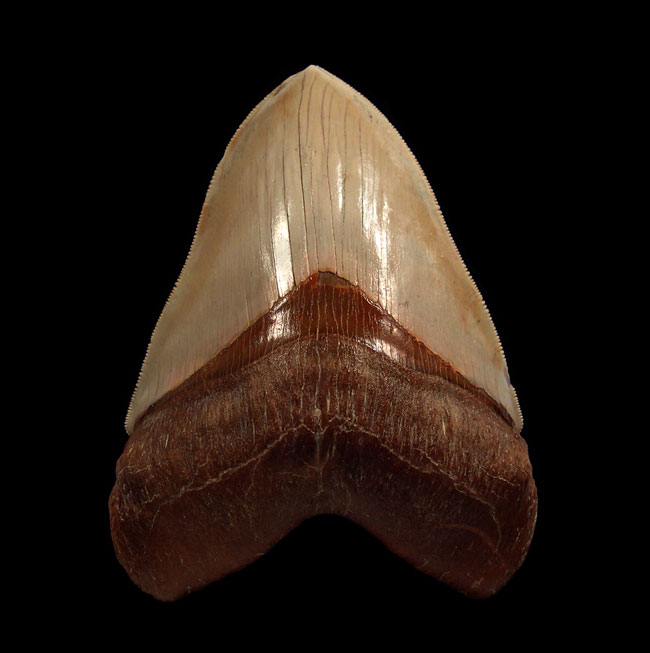
Far beneath the waves of prehistoric oceans, an apex predator once ruled with unmatched dominance. The giant megalodon shark, often considered the most formidable marine predator to have ever existed, left behind traces of its existence in the form of fossilized teeth. Among these relics lies one of the most extraordinary finds: the world's biggest megalodon tooth, a discovery that not only captures human imagination but also reshapes what we know about this ancient predator. Unlike typical fossils, this one brings forth questions, curiosity, and awe about life millions of years ago.
To understand why this find is so unique, it’s worth exploring its size, history, and the deep mysteries it carries from a time when colossal sharks ruled the seas.
The Ocean’s Apex Hunter
The megalodon was no ordinary shark. Stretching up to 60 feet in length, it preyed on whales, large fish, and other marine animals with ease. Its teeth, serrated and shaped like giant blades, were designed to slice through flesh and bone. Each fossilized tooth discovered today is like a time capsule, preserving a fragment of the creature’s life.
The tooth in question goes beyond typical fossil finds—it is a marvel in its own right. Measuring over seven inches, it is among the largest of its kind ever unearthed. The sheer scale suggests a megalodon of unimaginable size, reinforcing the belief that these predators were far more massive than most marine animals known today.
Unearthed in Chile’s Coastal Land
One of the most intriguing aspects of this discovery is its origin. The tooth was uncovered in Chile, a region known for its rich fossil layers and geological formations that date back millions of years. The coastal cliffs, once submerged, preserve a treasure trove of marine fossils that reveal an era of oceanic abundance.
Chile’s fossil record helps paleontologists piece together the puzzle of marine life in the Miocene epoch. At this time, the megalodon thrived, and its dominance stretched across global waters. Finding a tooth of this size not only highlights the richness of Chile’s fossil beds but also offers insight into the diet, migration, and behavior of these ancient giants.
A Glimpse into Prehistoric Oceans
Fossilized shark teeth like these are more than collector’s items—they are scientific clues. The enamel and serrations on the tooth give scientists a closer look at how the megalodon hunted. Its structure reveals immense biting strength, capable of breaking through the bones of massive prey.
Holding such a tooth is akin to having a piece of prehistory, a reminder of oceans teeming with life forms that dwarf modern marine species. Each curve and ridge tells a silent story of survival, dominance, and the unrelenting cycle of nature.
Measuring the Impossible
What makes the world's biggest megalodon tooth remarkable isn’t just its size—it’s what the size implies. Scientists estimate that each inch of tooth length corresponds to roughly ten feet of shark length. By that measure, a tooth measuring over seven inches suggests a predator nearly 70 feet long.
To put that into perspective, that’s longer than two school buses placed end to end. Imagining such a predator navigating the seas offers both wonder and a sense of humbling insignificance. This size also suggests a robust ecosystem capable of sustaining such giants, with an abundance of prey to support their massive appetites.
The Thrill of Discovery
For fossil hunters and paleontologists, uncovering a fossil of this magnitude is both a scientific triumph and a profoundly personal journey. It represents years of searching, countless hours of excavation, and an unwavering dedication to uncovering the past.
What makes this specific tooth even more captivating is its preservation. Despite being millions of years old, it retains much of its structure and detail. Its edges remain sharp, its surface intact, allowing observers to visualize the ferocity of its original owner.
Why Chile Holds the Key
The Chilean coasts have long been a treasure chest for fossil discoveries, offering remains of whales, dolphins, and marine reptiles. The conditions in these sediments preserve fossils with remarkable detail, creating one of the richest paleontological landscapes in the world.
The discovery of this tooth provides an opportunity for ongoing research, connecting the dots between megalodon fossils found across the globe. Each fossil find in Chile adds context to the megalodon’s global presence and its adaptation to different marine ecosystems.
Echoes of a Lost Predator
The megalodon disappeared around 3.6 million years ago, and yet its presence continues to resonate in science and popular culture. Fossils like this tooth remind us of an era when the oceans were ruled by giants. They inspire books, films, and ongoing fascination, bridging the gap between science and imagination.
The discovery of the largest known megalodon tooth serves as more than a scientific record—it becomes a symbol of resilience and survival in the natural world. It also sparks curiosity in future generations, encouraging exploration and a deeper appreciation for the mysteries hidden within Earth’s layers.
Beyond the Fossil
While the discovery is extraordinary, it also raises important questions. How did such massive predators sustain themselves? What changes in the environment led to their extinction? And what lessons can we learn from their disappearance as modern marine ecosystems face threats from climate change and human activity?
Each fossilized tooth opens the door to deeper understanding. The largest of them all serves as a reminder of both the fragility and adaptability of life on Earth.
Collectors and Enthusiasts
For collectors, owning a fossil of such magnitude is more than possession—it’s stewardship of history. These rare finds are valued not only for their size but also for their exceptional condition, vibrant color, and exceptional preservation. While many megalodon teeth are sold as collectibles, a specimen of this size is scarce, making it a centerpiece in both private and public collections.
Collectors often describe the experience as surreal, holding in their hands a relic that once belonged to one of the most excellent hunters of all time. The connection it provides to history is both personal and universal, uniting people across generations with a shared awe for prehistoric life.
Conclusion: A Legacy Preserved
The story of the world's biggest megalodon tooth is one of awe, mystery, and scientific importance. More than a fossil, it represents the scale of life that once thrived in our oceans and offers clues that continue to shape our understanding of Earth’s history.
Every fossil discovery is a reminder that our planet has seen life forms beyond imagination. This tooth, larger than any before, leaves behind a legacy that will inspire curiosity for years to come.
If you’ve ever been fascinated by fossils, ancient sharks, or the mysteries of our oceans, exploring these discoveries can be an enriching journey. They remind us of the beauty of the natural world and the stories that still await discovery.
Take a step toward your own exploration—immerse yourself in the fascinating history of the deep seas and let curiosity guide you to new discoveries.






