Page 93 - Home Page Latest Post
- - September 17, 2025
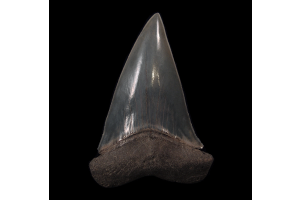
Long before humans walked the Earth, the oceans were ruled by giants. Among them was the megalodon, a shark that grew larger than a city bus and carried teeth as big as a human hand. Fossils of this prehistoric predator continue to spark curiosity, but what truly captures the imagination are the slightest traces of its beginning. A baby megalodon tooth, though rare, provides a glimpse into the early life of a creature that dominated the seas for millions of years.
These fossils are more than remnants of a past era; they are silent storytellers, offering pieces of a puzzle that scientists and collectors alike are still trying to complete.
The Significance of Early Fossil Finds
When people think of megalodon fossils, they picture massive triangular teeth with serrated edges, each one capable of slicing through bone and flesh. Yet, the smaller teeth reveal something equally fascinating. They represent a time when the shark was still growing, adapting, and learning to survive in a world
- - September 17, 2025
For anyone fascinated by ancient ocean life, holding a megalodon tooth is like touching time itself. These fossils connect us directly to a shark that could grow more than fifty feet long and once ruled the seas. They are sought after by collectors, researchers, and hobbyists alike. Yet, with such high demand, forgeries and replicas often slip into the market. It’s here that the question of how to tell if a megalodon tooth is real becomes so essential. Knowing the difference isn’t only about protecting your wallet—it’s also about preserving the actual connection to Earth’s prehistoric history.
Collectors may wonder whether the shiny specimen they found at a shop, show, or online is genuinely fossilized or simply a cleverly crafted replica. This curiosity isn’t misplaced, because fakes can be convincing. Fortunately, with patience, knowledge, and careful observation, it is possible to distinguish authentic fossils from imitations.
Why Authenticity Matters More Than Ever
A real megalodon
- - September 17, 2025
Imagine holding a relic that once belonged to the most fearsome predator of prehistoric oceans. Sharks have roamed the seas for millions of years, but one species, in particular, remains etched in human fascination—the megalodon. Its teeth are some of the largest ever discovered, dwarfing those of modern great whites. These fossilized treasures carry with them not only scientific importance but also a sense of mystery and awe. For collectors and enthusiasts, finding a megalodon shark tooth for sale is akin to discovering a piece of natural history that connects us to a time when the oceans were ruled by giants.
Transitioning from curiosity to deeper appreciation, let’s explore why these fossils hold such a magnetic appeal, what makes them valuable, and how they continue to inspire awe across generations.
The Fascination With Ancient Predators
The megalodon, whose name translates to “big tooth,” thrived roughly 23 to 3.6 million years ago. These creatures could reach lengths estimated at
- - September 17, 2025
The story of the megalodon, an ancient shark that once ruled the oceans millions of years ago, continues to capture the imagination. Its remains offer clues into a world where marine predators grew to staggering lengths. Among these remains, the most intriguing relics are the massive fossilized teeth, which provide insight into the shark’s size, feeding habits, and survival strategies. When we talk about megalodon tooth size, we aren’t simply measuring a fossil—we are tracing the outline of a creature that once dwarfed nearly everything else in the sea.
To gain a deeper understanding of these fossils, it is helpful to examine how size variations reveal their role in the prehistoric ecosystem, their significance to modern collectors, and the enduring fascination they hold for science and history.
Why teeth tell the story of the shark
Unlike bones, which rarely survive intact over millions of years, shark teeth are made from enamel and dentin, allowing them to fossilize more easily. Because
- - September 17, 2025
Shark teeth have fascinated scientists, fossil hunters, and collectors for decades, but among them, few specimens capture the same level of intrigue and admiration as the Aurora Megalodon tooth. This fossilized relic is not just a reminder of one of the largest predators in Earth’s history—it is a tangible piece of prehistoric oceans, preserved in a rare and beautiful form. From its geological significance to its visual appeal, the Aurora specimen stands apart as a true collector’s prize.
A Glimpse Into Prehistoric Oceans
Millions of years ago, a colossal predator roamed the seas: Otodus megalodon. Believed to have reached lengths of nearly 60 feet, this shark ruled marine ecosystems with unmatched dominance. Its most striking feature was its teeth—massive, triangular, and serrated—built to crush bones and pierce thick whale blubber. Fossils of this shark have been uncovered across the globe, but teeth recovered from North Carolina’s Lee Creek Mine, particularly in Aurora, hold a special
- - September 17, 2025
For millions of years, one shark dominated the oceans in a way no other predator has before or since. Carcharocles megalodon was an apex predator of almost mythical proportions, reaching an estimated 60 feet in length with teeth larger than a human hand. Fossil evidence such as Carcharocles megalodon – New Caledonia teeth and striking specimens from West Java remind us just how massive and specialized this shark truly was. But the question remains—if megalodon still swam our seas today, could the modern ocean support such a giant?
The Rise of a Marine Super-Predator
The megalodon appeared in the early Miocene and ruled until the end of the Pliocene. Fossilized teeth reveal the story of a shark designed for dominance: enormous triangular teeth with razor-sharp serrations capable of slicing through whale bone and cartilage. Its bite force is estimated at up to 180,000 newtons—stronger than any known animal, past or present.
Megalodon’s diet was equally staggering. Instead of targeting
- - September 17, 2025
When it comes to prehistoric giants, few creatures capture our imagination as much as the Megalodon. This massive shark once dominated the oceans, with teeth large enough to dwarf a human hand and a bite force powerful enough to crush the bones of whales. While much has been uncovered about this apex predator, the truth is we may still have only scratched the surface. Fossils like the rare Carcharocles megalodon - Caribbean tooth provide tantalizing insights into its world, but could there be more clues hidden beneath rock, sediment, and ocean floor that we have yet to discover?
The Shark That Ruled the Ancient Seas
Megalodon, scientifically known as Carcharocles megalodon, was the largest shark to ever exist. Estimates suggest it could reach lengths of up to 60 feet, making it more than twice the size of today’s great white shark. With serrated triangular teeth that could exceed 7 inches, it had the perfect tools for tearing into large prey. Its menu likely consisted of whales, seals,
- - September 17, 2025
Few fossils inspire as much awe as a big megalodon tooth. These triangular giants, some stretching past six inches, once belonged to one of the largest predators to ever roam the seas. While the megalodon itself vanished millions of years ago, its teeth continue to surface on beaches, riverbeds, and ocean floors around the world. That raises an intriguing question: why do megalodon teeth keep washing ashore long after the species disappeared?
The answer combines geology, ocean dynamics, and the incredible durability of shark teeth. Let’s break down why these fascinating fossils remain part of our modern landscape.
The Longevity of Fossilized Shark Teeth
Sharks, unlike most animals, don’t have bones that fossilize easily. Their skeletons are made of cartilage, which decays quickly after death. Teeth, however, are another story. Megalodon teeth were made of dentin and covered with a strong enamel layer, similar to modern shark teeth. This enamel protects them from erosion and decay, making
- - September 17, 2025
The thrill of finding fossils has fascinated people for centuries, and few treasures excite collectors more than a Megalodon tooth. These fossilized remains of the largest shark to ever swim the oceans hold incredible scientific, historical, and personal value. But with many imitations on the market and so many fossils resembling shark teeth, the big question remains: how can you tell if what you’ve found is a genuine Megalodon tooth?
Before diving into the details, let’s clarify one thing: finding a megalodon tooth in the wild is both possible and rewarding, but identifying it correctly takes knowledge and a careful eye. Whether you’re combing a riverbank, searching coastal cliffs, or joining a fossil-hunting tour, understanding what separates authentic specimens from lookalikes will help you confirm the real deal.
What Makes a Megalodon Tooth So Special?
Megalodon sharks lived between 23 and 3.6 million years ago and could reach lengths of up to 60 feet. Their teeth often measure three
- - September 17, 2025
The oceans have always carried an air of mystery, holding stories from eras long before humans walked the earth. Among the greatest of these stories is the reign of the Megalodon, a shark so massive and powerful that it remains one of the most awe-inspiring predators in history. Evidence of its existence doesn’t come from complete skeletons but rather from the relics it left behind—its teeth.
When we talk about a 7-inch megalodon tooth, we’re not simply talking about a fossil; we’re talking about a rare fragment of prehistoric power. The question is, should such an extraordinary specimen belong in a museum, where millions can admire it, or is there a place for it in a private collection, where ownership becomes deeply personal?
The Legacy of the Megalodon
Megalodon swam Earth’s oceans millions of years ago, dominating the seas with a body that may have stretched over 60 feet. Its teeth are the most enduring symbols of its power, with serrated edges designed to slice through prey and an