The prehistoric oceans were once ruled by giants, and none capture the imagination quite like the Megalodon. This massive shark, often described as one of the fiercest predators in Earth’s history, continues to fascinate scientists and the public alike. Recent paleontological work in Chile has brought new attention to this giant of the seas, thanks to a remarkable find—the biggest megalodon tooth ever found. Beyond its sheer size, this fossilized tooth holds clues that may reshape our understanding of these colossal predators and the world they once dominated.
A Fossil Unearthed in Chile: Why This Find Matters
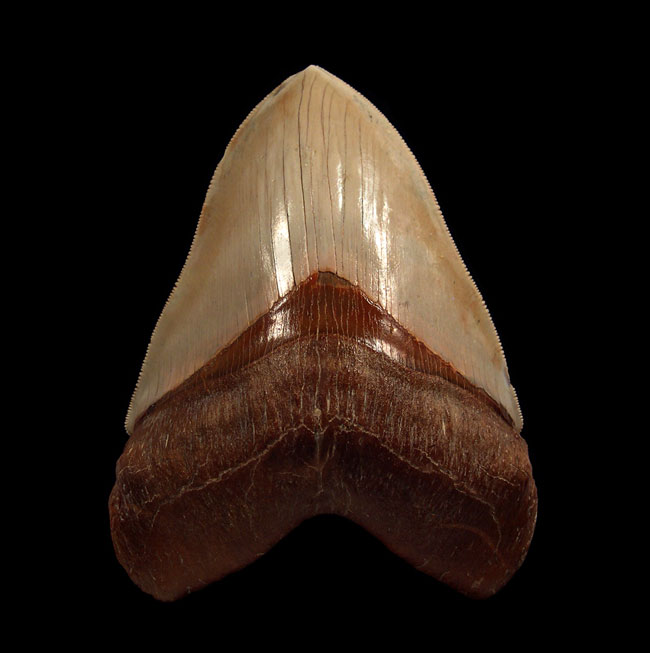
In the coastal regions of Chile, researchers uncovered a Megalodon tooth that ranks among the largest specimens ever recorded. The discovery was not a stroke of luck but the result of collaboration between geologists, paleontologists, and local experts. Together, they pieced together evidence of an oceanic giant that swam these waters millions of years ago.
For paleontology, each fossil is a piece of a much larger puzzle. In this case, the sheer scale of the Chilean Megalodon tooth provides evidence of the predator’s immense size and strength. Unlike smaller finds, this specimen offers a glimpse into the upper range of what the Megalodon may have achieved in both body length and bite force.
The Megalodon: A Shark That Redefined Predation
The Megalodon, whose name means “big tooth,” lived approximately 23 to 3.6 million years ago during the Miocene and Pliocene epochs. Estimates suggest it could reach lengths of up to 60 feet or more, making it two to three times larger than today’s great white shark. With jaws powerful enough to crush the bones of whales, this apex predator shaped marine ecosystems for millions of years.
Finding a tooth of extraordinary proportions helps confirm that some individuals were likely near the maximum size estimates scientists debate. Teeth like the one from Chile are not just impressive trophies of natural history—they are critical tools for reconstructing Megalodon’s biology, diet, and ecological dominance.
Chile’s Role in Preserving Prehistoric Oceans
Chile is no stranger to fossil discoveries. Its diverse geological formations, shaped by tectonic shifts and volcanic activity, have created a natural archive of Earth’s ancient past. From dinosaur remains in the Atacama Desert to marine fossils along the Pacific coast, Chile has emerged as a key region for paleontological research.
The Megalodon tooth found here fits into this broader picture, showcasing how the shifting landscapes and ancient seas of Chile nurtured extraordinary marine life. Each fossil discovery adds another layer of context, allowing researchers to reconstruct what prehistoric ecosystems may have looked like and how they evolved over millions of years.
What Can a Tooth Tell Us About a Predator?
At first glance, a fossilized tooth might seem like a simple remnant. But for paleontologists, teeth are one of the most informative fossils available. The size, shape, and wear patterns provide a surprising wealth of information.
● Size and Growth: A tooth’s dimensions help estimate the shark’s overall length and growth rate. The Chilean specimen suggests that this individual may have been one of the largest Megalodons ever to roam the seas.
● Feeding Habits: Serrations on the tooth edge reveal how the Megalodon tore through flesh and bone. Wear patterns can even indicate the type of prey it hunted most often—likely whales and other large marine mammals.
● Evolutionary Clues: Comparing Megalodon teeth to those of modern sharks helps scientists trace evolutionary lineages and understand how marine predators adapted to environmental changes.
In essence, this single tooth provides data points for multiple branches of research, from biology and ecology to geology and evolution.
The Bigger Picture: Why the Chile Find Is Important
The scientific significance of the Chilean tooth goes beyond its impressive dimensions. Studying the fossil offers clues about why the Megalodon eventually disappeared. Some researchers link its extinction to climate change, shrinking habitats, and competition with smaller but highly adaptable predators like the great white shark.
By analyzing isotopes within the fossil, scientists may also learn more about the temperature of ancient oceans, the Megalodon’s migration patterns, and how shifting ecosystems affected its survival. This is why the biggest megalodon tooth ever found is more than a collector’s piece—it’s a time capsule of Earth’s environmental and ecological history.
Lessons for Today’s Marine Biology
Understanding an extinct predator might seem disconnected from modern conservation, but the opposite is true. Megalodon played a role similar to today’s apex predators—keeping populations of prey species in balance and shaping ecosystems from the top down.
By examining how Megalodon influenced ancient marine environments, scientists gain insights into the importance of sharks today. Great whites, tiger sharks, and other large predators are under threat from overfishing and habitat loss. Learning how the removal of a giant predator impacted ancient oceans can guide how we approach marine conservation in the present.
Inspiring the Next Generation of Scientists
Fossils have a way of sparking curiosity, especially among young learners. The Chilean Megalodon tooth has already captured global attention, becoming a symbol of both scientific curiosity and cultural pride. For Chile, the find not only adds to its paleontological heritage but also creates opportunities to educate and inspire. Museums, classrooms, and documentaries now have a new centerpiece to tell the story of life in prehistoric oceans.
This connection between science and society ensures that paleontology continues to be relevant—not just for academics but for the broader public eager to understand where we come from and what our planet has endured.
Cultural and Global Impact of the Chile Tooth
Beyond the labs and museums, this discovery resonates with people worldwide. Fossils like this remind us of Earth’s vast history and the creatures that once thrived here. They also attract tourism, scientific partnerships, and media attention, strengthening Chile’s reputation as a global hub for paleontological research.
For many, the Megalodon tooth symbolizes mystery and awe—the idea that giants once roamed the same oceans we swim in today. It bridges science with imagination, inviting us to think not only about what was lost but also about what lessons the past can teach us.
Wrapping Up
The Chilean Megalodon tooth represents more than just fossilized enamel—it is a gateway to understanding life millions of years ago. It tells us about the scale of one of the ocean’s greatest predators, the ecosystems that supported it, and the environmental shifts that brought about its extinction.
Most importantly, it shows how much knowledge can still be gained from a single fossil. As research continues, the biggest megalodon tooth ever found will keep yielding secrets—helping us understand the balance of life in the past while offering lessons for the future of marine biology.