

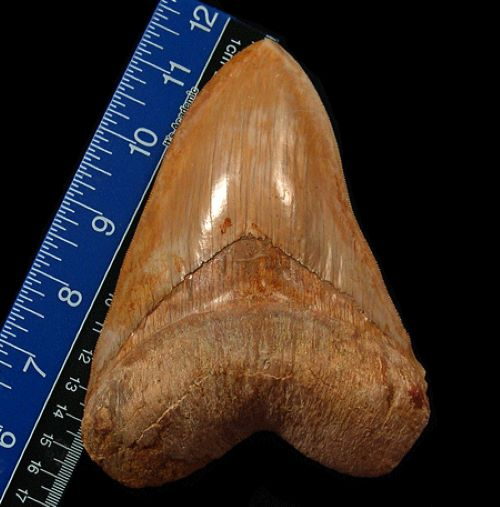
Shark fossils captivate collectors everywhere, but nothing compares to the teeth of the Megalodon. These prehistoric giants didn’t just swim the seas—they dominated them. Their fossilized teeth remain the ultimate proof of their unmatched power. Enthusiasts often wonder how big a megalodon tooth gets, and once you dive into the full spectrum of megalodon tooth size, it becomes clear why no other fossil can compete.
The Predator Behind the Fossil
To understand the value of these teeth, you have to picture the creature itself. The Megalodon was an apex predator estimated to grow up to 60 feet in length—three times the size of today’s largest great white sharks. With jaws wide enough to swallow two humans side by side, its teeth were not just tools for survival but symbols of dominance.
Each tooth was serrated, triangular, and built for power. They were capable of crushing whale bones, ripping through flesh, and ensuring that Megalodon stayed at the very top of the food chain. Today, those very teeth are what connect us to a world that existed millions of years ago.
The Fascination With Tooth Size
Collectors are naturally drawn to the extraordinary, and Megalodon teeth offer exactly that. While small fossils still hold immense charm, the first question many people ask is a simple one: how big can a megalodon tooth get? The truth is, the largest confirmed specimens measure more than seven inches long. To put that in perspective, a seven-inch fossil is roughly the size of your hand—or larger.
But the appeal of megalodon tooth size isn’t just about numbers. It’s about the presence these fossils command. A two-inch tooth offers a taste of history. A five-inch specimen impresses most visitors. But a massive six- or seven-inch relic transforms from a collector’s piece into a showpiece that dominates display cases and sparks conversation.
Breaking Down the Size Categories
The thrill of collecting Megalodon teeth lies in their variety. Here’s how the size ranges appeal to different collectors:
● Small Teeth (2–3 inches): These are often entry-level fossils. Affordable and easier to find, they typically come from younger sharks or back teeth in the jaw.
● Mid-Sized Teeth (3–5 inches): This is the sweet spot for most collectors. Mid-range teeth balance accessibility and impact, offering a bold presence without requiring a major investment.
● Large Teeth (5–7+ inches): The holy grail of collecting. Scarce, expensive, and breathtaking, these fossils represent the pinnacle of Megalodon’s legacy. Owning one is a statement, both as a collector and as a lover of natural history.
Each category holds value. The excitement lies not only in owning one but also in pursuing a variety of sizes, colors, and serration qualities.
What Adds Value Beyond Size
While larger specimens tend to garner more attention, collectors recognize that size is just one aspect of the story. The condition of a tooth can elevate or diminish its worth dramatically. Here are the key factors that play into desirability:
● Completeness: A full root and intact enamel are crucial. Missing edges or broken roots lower the value.
● Serrations: Sharp, visible serrations are rare and highly prized. They tell us how the tooth once functioned as a predator’s weapon.
● Coloration: From jet black to copper-red to earthy browns, mineral content in the soil adds unique tones. A striking color variation can make even a mid-sized specimen more appealing.
● Provenance: Collectors care about origin. Knowing whether a tooth came from South Carolina’s rivers or Florida’s Peace River adds context and prestige.
While megalodon tooth size grabs attention, collectors often seek that magical combination of size, sharpness, completeness, and color.
Where These Fossils Are Found
The thrill of finding Megalodon teeth doesn’t end with measuring them. Their discovery locations also shape their story.
● South Carolina Rivers: These blackwater rivers produce darker teeth, often large and well-preserved, thanks to mineral-rich waters. Divers often brave murky conditions in search of elusive treasures.
● Florida’s Peace River: A hotspot for smaller and mid-sized teeth, the Peace River allows collectors to sift through shallow waters, making it more accessible for beginners.
● Calvert Cliffs, Maryland: Perfect for families and hobbyists, the cliffs are a steady source of shark fossils, with Megalodon teeth occasionally making an appearance after erosion or storms.
Each location adds variety and character to the world of fossil collecting.
Why Collectors Keep Coming Back
Collecting Megalodon teeth is rarely a one-and-done experience. Once you own one, the excitement grows. A two-inch tooth sparks the desire for a four-inch. A four-inch fuels the dream of a six-inch. Soon enough, collectors find themselves chasing different colors, conditions, and origins.
This is part of the magic. The collection grows, but so does the connection to history. Every tooth feels like holding a piece of the ancient ocean, a direct link to the most fearsome predator Earth has ever known.
The Science Hidden in Each Tooth
Beyond their collector appeal, these fossils play an essential role in science. Paleontologists study teeth to determine Megalodon’s size, diet, and hunting strategies. A tooth’s wear patterns can reveal what it fed on. Larger specimens often indicate adults that hunted whales, while smaller ones suggest juveniles targeting fish or seals.
In other words, a Megalodon tooth isn’t just a fossil—it’s a research tool, a time capsule of evolutionary history. When collectors acquire one, they’re not just buying a fossilized object. They’re securing a piece of science, a clue to the past that shaped the present.
Why We Make Collecting Easier
Not everyone has the chance to dive into rivers or hike along fossil cliffs. That’s why we make it possible for you to own authentic Megalodon teeth without the uncertainty of the hunt. We specialize in curating fossils of all sizes, ensuring authenticity and providing detailed descriptions of size, condition, and origin.
Whether you’re just beginning or searching for that once-in-a-lifetime seven-inch marvel, our collection gives you confidence. We believe every collector deserves to hold a genuine piece of prehistory in their hands, not a reproduction or questionable imitation.
The Emotional Pull of Megalodon Teeth
There’s also something personal about owning one of these fossils. It isn’t just about bragging rights or investment potential—it’s about wonder. Imagine showing friends a six-inch tooth and watching their disbelief. Imagine gifting a fossil to someone who has always been fascinated by sharks. These fossils create stories and memories as much as they preserve history.
Every time you look at a Megalodon tooth, you’re reminded of the ocean’s raw power millions of years ago. It’s not just a fossil; it’s a conversation with the past.
Conclusion
From small two-inch specimens to jaw-dropping seven-inch marvels, megalodon tooth size tells the story of one of Earth’s most legendary predators. For anyone asking how big a megalodon tooth can get, the answer is enough to amaze scientists, collectors, and enthusiasts alike. These fossils don’t just represent size—they represent history, science, and the thrill of collecting.
We make it possible for you to explore that history firsthand. With carefully sourced, authenticated fossils in every size range, you can bring home a piece of the ocean’s most powerful predator and discover why Megalodon teeth truly outshine all others.






