When you think of the Megalodon, the first image that comes to mind is usually a gigantic shark ruling the seas with unmatched power. But even giants begin small. Fossil discoveries focusing on baby megalodon tooth size have given scientists and collectors alike an incredible chance to peek into the earliest days of one of history’s most fascinating predators. These tiny treasures hold clues about where Megalodons were born, how they grew, and the nurseries that shaped their survival.
For us, they also represent one of the most rewarding ways to connect with prehistory. After all, a single tooth can carry millions of years of ocean stories.
Tiny Teeth with Mighty Clues
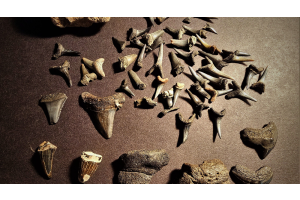
Adult Megalodon teeth often steal the spotlight with their intimidating size, some stretching past seven inches long. In contrast, baby teeth are smaller—yet still massive compared to most sharks of their era. A juvenile Megalodon tooth may only measure an inch or two, but that’s enough to show just how formidable even newborns were.
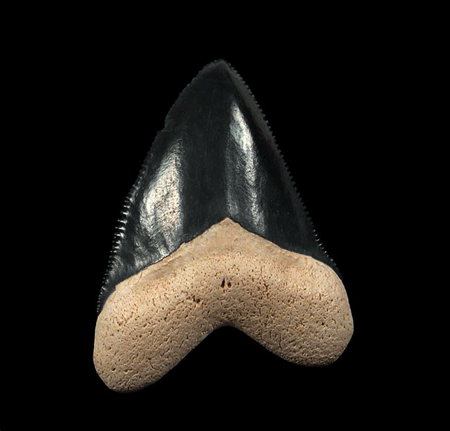
What makes these teeth even more interesting is their detail. Serrated edges, glossy enamel, and growth patterns hidden within the structure all serve as time stamps. They tell us not only how large the shark was at the time but also how quickly it was growing and what it may have been eating in its early months.
Ocean Nurseries: Where Legends Were Raised
One of the most intriguing findings tied to baby megalodon tooth size is the discovery of coastal nurseries. Fossil-rich areas filled with juvenile teeth point to places where these predators were born and raised. These nurseries were shallow, food-rich zones that provided a measure of safety from the open ocean’s biggest threats.
Picture it: young Megalodons, already six feet long at birth, gliding through calmer coastal waters. They hunted fish, rays, and smaller sharks, sharpening skills they would need as adults. These nurseries acted like natural classrooms, preparing the young for a life that would eventually take them to the very top of the marine food chain.
How Teeth Become Time Capsules
Teeth are far more than sharp tools for eating. For paleontologists, they are miniature time capsules. By analyzing microscopic structures and wear, researchers can estimate age, growth speed, and even environmental conditions at the time. For example, shifts in oxygen isotopes locked inside enamel help reconstruct ocean temperatures.
That means every baby Megalodon tooth doesn’t just tell the story of a single shark—it paints a bigger picture of the ancient oceans themselves. They are pieces of climate history as much as predator history.
Lessons from Modern Sharks
Looking at baby Megalodons also helps us understand living sharks. Many modern species, such as lemon sharks and great whites, use shallow nursery zones for their pups. These protected areas provide food abundance and shelter until the young are strong enough to venture out into deeper waters.
The parallels show that nurseries have always been critical for shark survival. By comparing ancient teeth to modern shark behavior, scientists bridge millions of years of evolutionary strategy. It is proof that even the ocean’s top predators need safe beginnings.
Evolution in Every Edge
When you compare a baby Megalodon tooth to those of modern great whites, the family resemblance is clear. Serrations designed for slicing through prey, enamel thickness for durability, and an overall triangular shape show continuity across time. These features highlight how effective design rarely needs radical change.
The difference, of course, is scale. The Megalodon took the shark blueprint and magnified it, resulting in one of the most formidable predators the ocean has ever seen. The baby teeth give us the earliest sketches of this blueprint, reminding us that power is often built from small beginnings.
Collecting Juvenile Teeth
For fossil collectors, juvenile teeth hold a special place. While giant specimens are dramatic display pieces, the smaller ones are rare reminders of the species’ early life. They invite curiosity in a different way. Instead of focusing on sheer size, they spark questions about growth, nurseries, and survival.
There’s also a sense of intimacy. Holding a smaller tooth feels like holding the first chapter of a story, rather than the final climax. It connects you to the quiet beginnings of a creature that would later rule the seas.
Fossil Hunting and Connection
Part of the thrill of collecting fossils is the adventure itself. Many baby Megalodon teeth are discovered in coastal riverbeds, cliffs, or even offshore dredging sites. Each one is a reward for patience and passion, a relic hidden in sediment for millions of years waiting to be uncovered.
That’s why we take pride in sourcing fossils that are authentic, studied, and responsibly collected. We want you to not only own a piece of history but also understand the journey it has taken—from an ocean nursery millions of years ago to your hands today.
Why We Curate These Fossils
Our role is to make these connections possible. We offer specimens that range from the awe-inspiring giants to the subtle, smaller teeth that tell the beginnings of the story. When you bring one into your home, you’re not just adding to a collection—you’re stepping into a narrative written in enamel and stone.
We know that many of you see these fossils not simply as objects but as conversation starters, teaching tools, and family heirlooms. That’s why we treat each piece with care, ensuring that what you receive is authentic, well-documented, and ready to inspire curiosity.
The Enduring Mystery
Despite all we know, there is still so much left to uncover. Every discovery of a baby megalodon tooth size raises new questions. How many nurseries existed worldwide? Did climate shifts impact where young Megalodons could thrive? And what can these ancient patterns teach us about the challenges modern sharks face today?
Each fossil brings us closer to the answers, but it also reminds us that the ocean’s history is vast and mysterious. In many ways, the story is still unfolding.
Conclusion
By studying baby megalodon tooth size, scientists unlock secrets about prehistoric nurseries, growth rates, and evolutionary design. Collectors, meanwhile, gain the chance to hold the very beginnings of one of nature’s most legendary predators. These teeth are far more than fossils; they are symbols of survival, adaptation, and the enduring mystery of the sea.
And with our curated collection, you can explore that story up close. Whether you choose a massive adult specimen or the smaller beginnings of a baby Megalodon, each tooth carries a legacy from ocean nurseries long vanished but never forgotten.