Fossil collecting has always carried a spark of mystery, but every now and then, a discovery rattles the entire community. When the world’s largest Megalodon tooth surfaced, it did more than set a record. It challenged the way we think about collecting itself. For years, enthusiasts and scientists believed the boundaries were already drawn. Then along came this jaw-dropping find, the biggest megalodon tooth ever seen, and suddenly the conversation shifted.
This was no ordinary fossil. It was a reminder that nature still holds surprises and that our collections, no matter how carefully curated, are never complete. Let’s dig into why this extraordinary discovery has redefined collecting and why it matters not only to scientists but to anyone who feels the thrill of holding deep history in their hands.
Megalodon: The Prehistoric Titan
To appreciate the impact of this tooth, you need to remember what creature it came from. Megalodon wasn’t just another shark. With a maximum length of 60 feet and a weight of over 50 tonnes, it was the top predator in the oceans. Its bite force crushed whales, and its dominance reigned for millions of years before its mysterious disappearance.
Teeth were its lasting legacy. Unlike fragile bones, teeth survive the test of time. They fossilize beautifully, transforming into objects that can be collected, studied, and admired. Even a modest Megalodon tooth inspires awe, but when we talk about the biggest Megalodon tooth, we’re entering another dimension of wonder entirely.
The Chile Discovery That Changed Everything
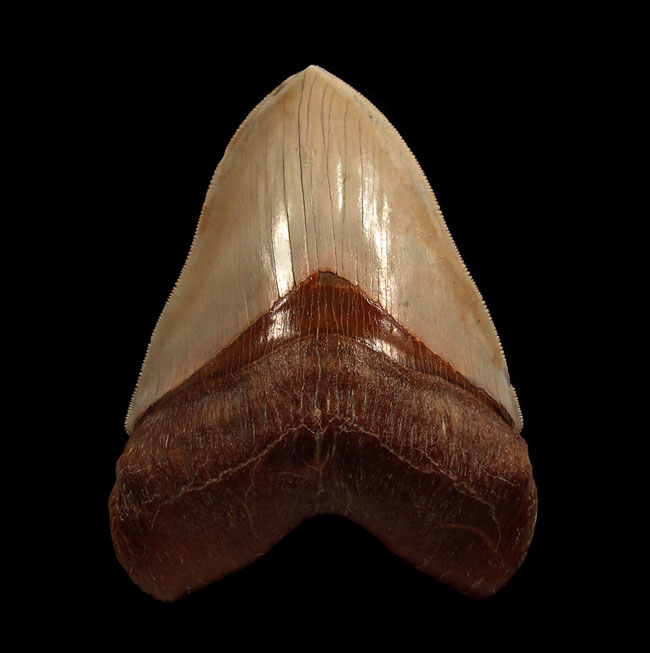
The record-breaking specimen was unearthed in Chile, a country celebrated for its rich fossil beds. Collectors were accustomed to finding teeth that reached four to five inches in length. Impressive, yes. However, this tooth soared beyond expectation, stretching into previously unexplored territory.
The Chilean terrain, shaped by tectonic activity and oceanic history, has long been a paleontological playground. Still, no one imagined it would reveal a treasure that dwarfed nearly every previous find. It wasn’t just an oversized fossil—it was a revelation that proved there is still so much left undiscovered.
For collectors, this discovery reignited passion. Suddenly, the hunt wasn’t just about completing a display case. It became about imagining the impossible, chasing the rarest of the rare.
Why Size Matters in Collecting
In the fossil world, size isn’t everything, but it changes the game. A smaller Megalodon tooth can be just as fascinating scientifically, but larger specimens shift the way collectors value and perceive their collections. Think of it like coins: a rare misprint instantly becomes more valuable than a perfectly minted common piece.
The biggest megalodon tooth isn’t just an addition to a fossil collection. It’s a statement piece, a trophy that raises the stakes. Suddenly, collectors worldwide are rethinking what it means to own something extraordinary.
And here’s the ripple effect: even if you never see the largest tooth in person, its existence makes every other fossil feel more alive with possibility. If that exists, what else might still be out there waiting?
More Than a Collector’s Prize
While collectors chase prestige, scientists see priceless data. This massive tooth provides a rare glimpse into Megalodon’s biology. Its size suggests that some individuals may have grown even larger than previously estimated. Its wear patterns reveal clues about diet, hunting strategies, and even ocean conditions millions of years ago.
So, while collectors display it with pride, researchers pore over it with microscopes. Together, these two worlds—science and collecting—highlight how a single discovery can inspire awe, knowledge, and curiosity across communities.
The Emotional Pull of Fossils
It’s easy to get caught up in numbers and measurements, but fossils are also about emotion. Imagine holding something that predates humanity by millions of years. A tooth that belonged to a predator so fearsome it makes today’s great white shark look timid.
Collectors aren’t just hoarding objects. They’re curating a personal connection to Earth’s deep history. And when a specimen like the biggest megalodon tooth comes into the picture, it adds a surge of excitement. It makes people feel like explorers, not just buyers.
That’s the beauty of fossils: they remind us that history isn’t confined to textbooks. It can be touched, displayed, and shared.
The Shift in Value
Traditionally, the value of a fossil is determined by three factors: size, condition, and rarity. The Chile discovery tipped that balance by elevating size to a new level of prestige. Collectors and investors alike now recognize that extreme specimens don’t just carry bragging rights—they redefine value.
That doesn’t mean smaller fossils lose their charm. A perfectly preserved four-inch tooth is still a masterpiece. But the scale of the world’s largest find forces everyone to reconsider what “rare” really means. It sets a new benchmark.
What This Means for Collectors
If you’re a collector, the discovery of the largest Megalodon tooth isn’t something that should discourage you. Quite the opposite—it should inspire you. Most of us will never own a record-breaking specimen, but the thrill of collecting has always been about possibility.
Your first fossil, whether modest or grand, connects you to a prehistoric story. Each new addition builds on that narrative. Knowing that somewhere out there lies the biggest megalodon tooth makes your own journey feel richer, because you’re part of the same global hunt for history.
How We Help You Build Your Collection
This is where we come in. At Buried Treasure Fossils, we’ve built our reputation on connecting collectors with authentic, high-quality fossils that tell stories of Earth’s distant past. Whether you’re taking your first steps into fossil collecting or seeking that one-of-a-kind centerpiece, we curate specimens that bring history to life.
We know collecting isn’t about amassing objects—it’s about the experience of discovery. That’s why our selection includes everything from beginner-friendly pieces to rare, museum-quality fossils. Every tooth, claw, or bone is carefully sourced and authenticated so that when it reaches your hands, it carries not only scientific credibility but also the thrill of deep time.
The discovery of the largest tooth has redefined expectations, but it has also highlighted the importance of trusted sources. In a world where replicas and inauthentic pieces circulate widely, we stand committed to ensuring your collection is built on authenticity.
A Community Redefined
The impact of the world’s largest find goes beyond individual collections. It redefines the community itself. Collectors now talk not just about inches and preservation but about the very possibilities of discovery. Museums gain renewed interest. Newcomers are drawn into the hobby. And even casual enthusiasts start to see fossils as more than curios—they’re windows into prehistory.
This communal excitement fuels the future of collecting. It means fossil shows buzz louder, online forums debate longer, and the thrill of digging into ancient layers never grows stale.
Conclusion
The unveiling of the biggest megalodon tooth has done more than break a record. It has sparked new curiosity, reshaped the standards of collecting, and reminded us that even in a field built on the ancient, surprises still lie ahead.
For scientists, it provides rare data to deepen our understanding of Megalodon’s size and dominance. For collectors, it elevates the hunt, pushing the boundaries of what a prized fossil can be. And for all of us, it reinforces the simple truth that fossils aren’t just rocks—they’re stories set in stone.
At Buried Treasure Fossils, we’re proud to be part of this journey, offering you authentic specimens that connect your collection to the mysteries of Earth’s past. Whether you’re holding your very first Megalodon tooth or dreaming of the largest one ever found, the joy of collecting is about more than ownership—it’s about wonder.