Page 61 - Home Page Latest Post
- - October 07, 2025
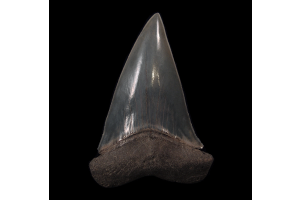
At Buried Treasure Fossils, we invite you to dive deep into the prehistoric past and discover the legend of the Megalodon, the largest marine predator the world has ever known. Holding a Megalodon tooth in your hand is more than just owning a fossil. It’s connecting with the legacy of an apex predator that ruled the oceans millions of years ago. Whether you’re an experienced fossil enthusiast or a beginner drawn to the mysteries of the ancient seas, even a small Megalodon tooth offers a tangible piece of Earth’s extraordinary history.
The Apex of Prehistoric Oceans
The Megalodon shark was the largest shark to have ever existed. This megatooth shark, whose name literally means “large tooth,” thrived during the Miocene and Pliocene epochs. With estimated lengths of up to 60 feet, Megalodon dwarfed even today’s largest marine predators. But its size was only part of the story. The real marvel was in its immense power. Experts have estimated that the Megalodon could slam its jaws shut with
- - October 07, 2025
You set out hoping to uncover the kind of fossil that captures attention and holds weight in both science and the collecting world. Yet after hours of walking, digging, and sifting, your bag stays empty. If this sounds familiar, your approach may need a shift. Megalodon tooth fossil hunting does not reward force or guesswork. It rewards those who think, read the land, and understand what lies beneath the surface. If you struggle to find success, now is the time to examine what you may be missing and how to correct it with a sharper strategy.
Learn to Observe the Subtle Signs in Megalodon Tooth Fossil Hunting
Fossil hunters often look hard but fail to see the details that matter. A megalodon tooth rarely lies fully visible. Instead, a small corner or the curve of the root may catch light. The color may blend with gravel or shell. Hunters who succeed develop an eye for subtle changes. They recognize the shape, gloss, and grain that mark a tooth. This level of attention grows with time and
- - October 07, 2025
At Buried Treasure Fossils, we understand the thrill of holding a piece of prehistoric life in your hands. One of the most captivating and highly sought-after relics from Earth's ancient past is the fossilized tooth of the Megalodon, an enormous marine predator that once ruled the oceans. Before these awe-inspiring teeth were understood to belong to a giant shark, they were shrouded in myth and legend. People believed they were the tongues of dragons or even fragments of the moon. It wasn’t until the late 1600s that naturalists correctly identified them as the teeth of an extinct shark species.
When you explore Megalodon teeth for sale today, you are looking at remnants of a creature that could grow up to 60 feet long, dwarfing any fish in our modern seas. These fossilized relics are not just teeth. They are glimpses into a long-gone world, part of what would have made up a formidable Megalodon shark jaw.
The Ancient Predator Behind the Fossils
The Megalodon is believed to have been the
- - October 07, 2025
The Megalodon shark was one of the most awe-inspiring predators to ever swim the oceans. Though it vanished millions of years ago, its legacy lives on through the fossilized teeth it left behind. These incredible relics of prehistory can still be found today, buried beneath ancient sediments, waiting to be discovered and appreciated by collectors and enthusiasts. At Buried Treasure Fossils, we take pride in offering a premier selection of these ancient treasures, including a variety of Megalodon teeth in Florida, South Carolina, California, and even South America.
In this blog, we’ll explore what makes Megalodon teeth so fascinating, how they continue to be found around the world, and why they are such prized specimens for collectors.
The Legacy of a Giant
The name Megalodon means “large tooth,” and it’s no exaggeration. Megalodon sharks are estimated to have reached lengths of up to 60 feet and weighed anywhere from 50 to 75 tons. With jaws that could generate up to 18 tons of pressure
- - October 07, 2025
At Buried Treasure Fossils, we are proud to offer some of the most remarkable and sought-after fossil specimens from the ancient world, including the awe-inspiring teeth of the Megalodon shark. Known as one of the largest marine predators to ever roam Earth’s oceans, the Megalodon captures the imagination of collectors, paleontology enthusiasts, and ocean lovers alike. A Megalodon tooth is not just a fossil. It is a powerful symbol of prehistoric might and the immense scale of life that once dominated the seas.
Let’s dive into what makes the Megalodon so fascinating, what we know about its prehistoric dominance, and why its teeth are prized treasures for fossil lovers around the world.
A Glimpse into the World of the Megalodon Shark
The Megalodon, literally meaning "big tooth," lived during the Miocene and Pliocene epochs and is widely regarded as the largest shark species to have ever existed. Estimates suggest that this prehistoric predator reached lengths of up to 60 feet and could
- - October 07, 2025
Shark teeth have fascinated fossil hunters for generations, not only because they connect us to the ocean’s greatest predators but also because they are accessible treasures waiting to be discovered. Along the southeastern U.S. rivers, collectors often dream about one ultimate prize—a real megalodon tooth. While Florida and South Carolina often dominate conversations about fossil shark teeth, Georgia and North Carolina rivers quietly hold some of the richest and most rewarding fossil-hunting grounds in the country.
Why Rivers Hold Megalodon Teeth
Millions of years ago, during the Miocene and Pliocene epochs, the southeastern United States was submerged under warm, shallow seas. This marine environment provided the perfect habitat for Megalodon sharks, whose enormous size demanded a steady supply of whales and other large marine mammals. Over time, the teeth shed by these giants settled into the sediment. Geological changes and receding shorelines eventually exposed these deposits, leaving
- - October 07, 2025
Collectors often find themselves questioning the authenticity of the fossils they purchase. As demand increases, so do the chances of receiving specimens with unclear origins or signs of restoration. This leads to confusion and hesitation, especially for those trying to build a fossil collection based on trust and accuracy. One region continues to stand out for those who want to buy fossils with confidence. If you are searching for an authentic Megalodon tooth in West Java, you may be closer to the answer than you think. This area has become a trusted location for natural, traceable finds.
Why Region Matters in Fossil Collecting?
Experienced collectors understand that a fossil’s value increases when its origin is known. They want more than a tooth. They want context. Fossils found in regions with stable geological conditions tend to maintain better structural detail. West Java produces teeth that show signs of long-term mineral interaction. The soil in this region often supports preservation
- - October 07, 2025
For centuries, people have been fascinated by the mysteries of the ocean and the giants that once ruled it. Fossils found along riverbanks and in coastal sediments offer us a glimpse into a world dominated by creatures larger and more fearsome than anything alive today. Among these treasures are shark teeth, especially those belonging to the legendary Megalodon. If you’ve ever wondered where to find megalodon teeth in Texas, you’ll discover not only a fossil-hunting adventure but also the roots of myths about sea monsters that continue to inspire stories, legends, and cultural imagination.
The Megalodon: Prehistoric Ruler of the Seas
The Megalodon, often translated as “big tooth,” lived approximately 23 to 3.6 million years ago. This massive shark is believed to have grown up to 60 feet long, with jaws powerful enough to crush the bones of whales. Its teeth, some measuring over 7 inches, are among the most striking fossils collectors can own.
These teeth provide more than just evidence
- - October 07, 2025
The thrill of fossil collecting often begins with a single discovery—a fragment of the past preserved for millions of years. Among the most captivating finds for collectors and dinosaur enthusiasts are raptor fossils. Spotting a velociraptor tooth in Texas or uncovering a well-preserved raptor tooth sparks the same excitement as stumbling upon the remains of the famous Velociraptor itself. For beginners and seasoned collectors alike, these discoveries highlight the incredible story of predatory dinosaurs and their presence in prehistoric North America.
Raptors: Close Relatives of Velociraptor
Velociraptors have captured the imagination of many, often depicted as clever and swift predators in movies and literature. However, they are merely one fascinating branch of a much larger and diverse family known as dromaeosaurs. Among their close relatives is Saurornitholestes, a raptor species that roamed the regions of New Mexico and Texas during the Late Cretaceous period.
These remarkable creatures
- - October 07, 2025
When you see a rock star walk onto the stage or a professional athlete step onto the field, their choice of accessories often tells a story. Beyond the leather jackets, designer shoes, and tattoos, there’s a growing trend that captures both history and style—wearing a megalodon shark tooth necklace. This unique piece of jewelry not only connects its wearer to one of the most powerful predators to ever swim the oceans, but it also symbolizes strength, resilience, and individuality. At Buried Treasure Fossils, we understand that these necklaces are far more than fashion—they are a link to prehistory and a statement of identity.
The Symbolism Behind Shark Tooth Jewelry
Shark tooth jewelry has deep cultural roots that go back thousands of years. Ancient Polynesian warriors wore shark teeth as protective amulets, believing they embodied the courage and ferocity of the shark. In Hawaiian tradition, shark teeth symbolized guidance and strength for voyagers on dangerous sea journeys. Fast forward