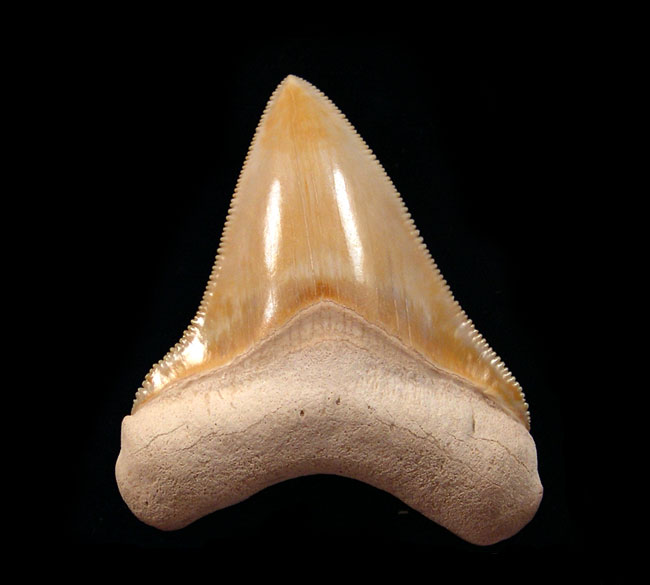
Florida holds a rich fossil history shaped by ancient oceans that once covered the region. Among the most sought-after relics, Megalodon teeth from this area draw collectors who appreciate both the scientific significance and visual appeal of these fossils. Many people who explore this category for the first time feel unsure about what to check before making a purchase. With knowledge and a careful eye, they can feel confident. When buyers focus on structure, color, and origin, they begin to understand the actual value of meg teeth in Florida and how to build a collection that matters.
Let’s explore more detailed information:
Why does Bone Valley remain a trusted fossil ground?
Collectors often choose Bone Valley teeth because they display a combination of visual interest and geological integrity. The region contains sediment that preserves fossils well. Local minerals influence the appearance of each tooth, creating natural color tones that range from soft creams to vibrant blues and oranges. These features develop over millions of years as layers of soil and pressure shape the enamel and root. Collectors notice this visual depth and learn to recognize it. No artificial treatment creates the rich color blends found in this region, and no polish can replace natural detail.
How does natural color add meaning and market value?
Color alone does not determine a tooth’s quality, but collectors often consider it a key factor in assessing its value. Florida fossils frequently exhibit a distinct contrast between the blade and the root. When those colors remain even and clean, buyers usually take greater interest. Enamel tone, texture, and clarity all shape a fossil’s visual impact. That impact plays a role in long-term value. Fossils with even color and natural sheen carry more appeal than those with stains or artificial gloss. Collectors often favor unique tones, especially when a tooth remains complete and avoids heavy wear or modern alteration.
Why does tooth structure matter more than size?
To make smart buying decisions, collectors look beyond color and check the structure. They study the shape and overall form, paying close attention to the condition of the enamel and root. Strong enamel feels smooth and shows depth without peeling or heavy chipping. Teeth with full, solid roots carry more value than those with missing or cracked bases. Florida finds often display roots with clean outlines and a whole structure. That strength tells a story of natural preservation and careful handling during the recovery process. When both the enamel and root show good condition, collectors place more trust in the fossil.
What blade details reveal about fossil quality?
People often focus on the details of the blades as well. Serrations, though sometimes faint, reflect how well a fossil resisted erosion over time. Teeth with visible serrations along both edges offer more than sharpness. They show minimal wear and carry proof of careful extraction. These features separate common pieces from exceptional ones. Even a subtle serrated edge adds value, especially when paired with a firm root and natural color. Buyers who understand this combination make more confident choices and avoid disappointment. A collector builds skill by learning what real wear looks like and what makes a fossil more complete.
How does symmetry and shape create a stronger appeal?
Shape matters more than size. Larger teeth draw attention, but collectors place greater weight on symmetry and balance. A well-shaped tooth with a complete root, smooth enamel, and sharp tip is more appealing than a large tooth with missing parts or uneven edges. Shape affects how a fossil fits within a group. The display value rises when each piece maintains a consistent form. Many Florida finds offer that shape, especially mid-size specimens. Newer collectors often begin with these pieces, not just because of their cost, but also because they offer a deeper understanding of natural features and regional differences.
Why regional consistency builds collector confidence?
Florida offers an advantage in consistency. When a collector buys a tooth from this region, they usually gain more information about the fossil’s source. That information helps them trust what they buy. Collectors value teeth with known origin and traits that match the area’s standard features. Bone Valley fossils often exhibit distinct patterns, including variations in color, size ranges, and enamel preservation. Recognizing those patterns helps people spot authentic pieces and avoid poorly labeled or misrepresented finds. That consistency brings clarity, and clarity helps buyers return with confidence.
How to recognize treatments and artificial changes?
New buyers sometimes feel unsure about spotting altered fossils. Sellers sometimes polish or restore teeth to improve appearance. Although these changes may help a piece appear clean, they often conceal flaws or diminish its natural value. A shiny surface may cover cracks, fillers, or discoloration. Collectors who prefer raw fossils learn how to spot artificial treatments. They study the photos, compare pieces, and ask for details before making a decision. Real fossils carry texture, minor imperfections, and tone changes that show time’s effect. Understanding these traits helps buyers protect their investment and grow a collection that reflects natural quality.
Why does every fossil hold a deeper story?
A fossil holds more than visual appeal. It has a connection. Collectors choose pieces that resonate with them and reflect the history they wish to preserve. Florida Megalodon teeth carry a strong sense of place. The colors and patterns tell part of the land’s story, shaped by water and the passage of time. When a collector understands what to check and what to expect, they find more meaning in each tooth. That meaning goes beyond price. It becomes part of the experience. Every piece adds to a collection that reflects knowledge, patience, and personal interest.
What experienced collectors see in Florida fossils?
In the midst of a growing collection, people often spot meg teeth in Florida that meet their standards once they learn how to identify them. They check tip shape, serrations, enamel clarity, and root curve. They notice whether a fossil carries gloss or a natural sheen. They compare structure and weight. Every detail tells a story about how that piece formed and survived. Experienced collectors read those stories with ease. Newer collectors learn how by studying the signs. Time spent learning often saves money and brings more satisfaction with each choice made.
How careful choices shape a lasting collection?
A collection grows with purpose. Each fossil adds to that purpose when chosen with care. Florida fossils offer depth, consistency, and visual richness. They help collectors build a strong base and a deeper understanding of the traits that shape a real Megalodon tooth. A person who studies these fossils does not buy them by accident. They observe, compare, and decide based on what matters most. They understand that color reflects minerals, shape reflects preservation, and that every fossil carries both a story and a structure. That knowledge leads to better choices and a more rewarding experience.
Final Thoughts
Collectors choose with care, not impulse. They use what they see and what they know. They trust the natural features over artificial changes. They build confidence with each piece added. Florida offers fossils that help make those decisions easier. When buyers focus on meg teeth in Florida, they often discover consistent patterns in color, structure, and preservation that guide more intelligent choices. With clear signs, honest wear, and rich mineral tone, these fossils stand out in ways that feel real. Each purchase brings more insight. Each step forward in a collection strengthens that understanding. Buyers who pay attention to these details stay ahead and enjoy the process of finding, studying, and selecting with purpose.
Footnote
Choose each fossil with care, trust your eye, and let nature shape the value you bring to your collection.