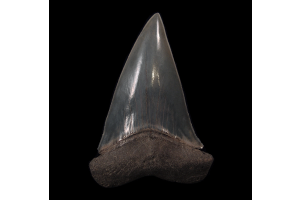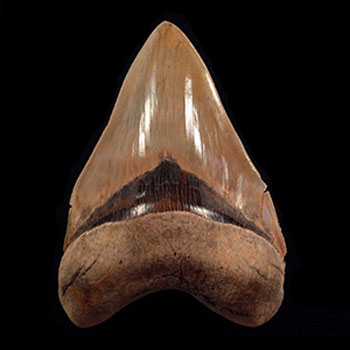
Fossils have long been a means of connecting with Earth’s ancient past. They remind us that life on our planet is constantly changing and that species once at the top of the food chain can vanish entirely. Among the most awe-inspiring fossils are megalodon teeth, which belong to the massive prehistoric shark that dominated the oceans millions of years ago. These teeth are not only scientifically significant but also highly prized by collectors. After all, holding one in your hand is like having a piece of history that tells the story of the ocean’s greatest predator.
It’s essential to introduce the central focus: nothing fascinates collectors quite like a megalodon tooth found in North Myrtle Beach. This particular location has become synonymous with rare and remarkable finds that stand out in the world of fossil hunting.
The Prehistoric Giant: Megalodon’s Dominance
The megalodon was not just another shark; it was a colossal predator, believed to reach lengths of 60 feet and weigh up to 75 tons. Its jaws could crush prey with a force unmatched in the animal kingdom, estimated at up to 180,000 newtons. Adult megalodons preyed on whales and large marine mammals, using their serrated teeth to tear through flesh and bone.
What makes these teeth even more extraordinary is their size and resilience. While shark skeletons are primarily composed of cartilage and do not fossilize well, their teeth tend to endure over time. The most prominent teeth can exceed seven inches, dwarfing even the jaws of modern great whites. Every tooth that surfaces today provides paleontologists, collectors, and enthusiasts with a glimpse into the raw power of this extinct predator.
Why North Myrtle Beach is Special
Around the world, megalodon teeth have been discovered in locations such as Florida, Georgia, Peru, and Chile. Yet, North Myrtle Beach has earned a unique reputation among fossil collectors. The shifting sands and shallow coastal waters of this region reveal specimens that are often remarkably well-preserved. Unlike some other locations where teeth can be heavily worn or fragmented, many of the teeth uncovered here retain sharp serrations, rich coloration, and impressive size.
Collectors often describe the thrill of discovery as unmatched. Imagine walking along the shoreline and spotting the unmistakable triangular shape of a fossilized tooth peeking out of the sand. It is this potential for extraordinary discoveries that makes a megalodon tooth stand apart in both rarity and desirability.
The Science Behind the Rarity
What sets these finds apart is not just their location but the conditions that have preserved them. Over millions of years, the sediments along the Carolina coast acted as protective layers. These natural processes shielded many teeth from erosion and damage. As a result, teeth from this area often exhibit exceptional structural integrity and coloration—from deep blacks to earthy browns, sometimes accented with subtle hues of blue or orange.
Rarity is also tied to size. While teeth over six inches are considered exceptional no matter where they are found, those discovered along the South Carolina coast have a reputation for reaching larger-than-average dimensions. Such specimens are rare treasures that can transform a personal collection into something truly extraordinary.
A Collector’s Perspective
To collectors, owning a megalodon tooth is far more than a hobby—it’s a connection to a world long gone. A fossil from North Myrtle Beach carries with it the story of both ancient seas and modern discovery. Beyond size and preservation, collectors value unique features such as serration sharpness, root condition, and enamel luster.
A tooth that checks all these boxes is not only visually stunning but also a significant scientific specimen. Whether displayed in a cabinet, on a custom stand, or shared as a teaching tool, it serves as a conversation piece that bridges history, science, and natural wonder.
The Thrill of the Hunt
One of the appeals of fossil hunting in North Myrtle Beach is accessibility. While not everyone will stumble upon a perfect specimen, the possibility always lingers. Families, amateur fossil hunters, and seasoned paleontologists alike visit the shores in hopes of finding a relic of this prehistoric predator. The hunt itself becomes part of the story—a personal adventure that adds emotional value to any fossil discovered.
It’s essential to note, however, that collecting responsibly is crucial. Preserving natural environments while respecting local laws ensures that future generations can also appreciate the excitement of uncovering fossils.
How Collectors Can Own Their Piece of History
Of course, not everyone can travel to coastal regions to search for fossils firsthand. That’s where trusted sources for authentic specimens become essential. At Buried Treasure Fossils, we take pride in offering a carefully curated collection of megalodon teeth, including exceptional pieces over six inches. Our expertise ensures authenticity and quality, giving collectors confidence that they are investing in genuine artifacts of prehistoric life.
A Global Perspective: Teeth From Around the World
While North Myrtle Beach specimens are highly sought after, megalodon teeth are also found in other regions, each with its own distinctive qualities. For instance:
● Florida and Georgia teeth often feature lighter colorations due to unique sediment compositions.
● Sharktooth Hill, California, is renowned for producing teeth prized for their age and historic collecting legacy.
● Chile and Peru yield some of the largest specimens ever found, rivaling those from the Carolinas.
This global variety underscores the widespread distribution of the megalodon during its reign in the oceans. Yet, collectors often return to the teeth of North Myrtle Beach for their distinct combination of rarity, size, and condition.
Conclusion: Why Rarity Matters
Every megalodon tooth carries the weight of millions of years, but not every fossil holds the same level of rarity. A megalodon tooth found in North Myrtle Beach stands out because of its preservation, its size potential, and the excitement surrounding its discovery. For collectors, enthusiasts, and scientists alike, these teeth represent more than just fossils—they embody a story of survival, extinction, and the pursuit of discovery.
If you’re eager to hold a piece of prehistory in your hands, explore our wide selection of fossils and megalodon teeth. For questions, guidance, or to find the perfect addition to your collection, contact us today and let us help you uncover your own piece of buried treasure.