

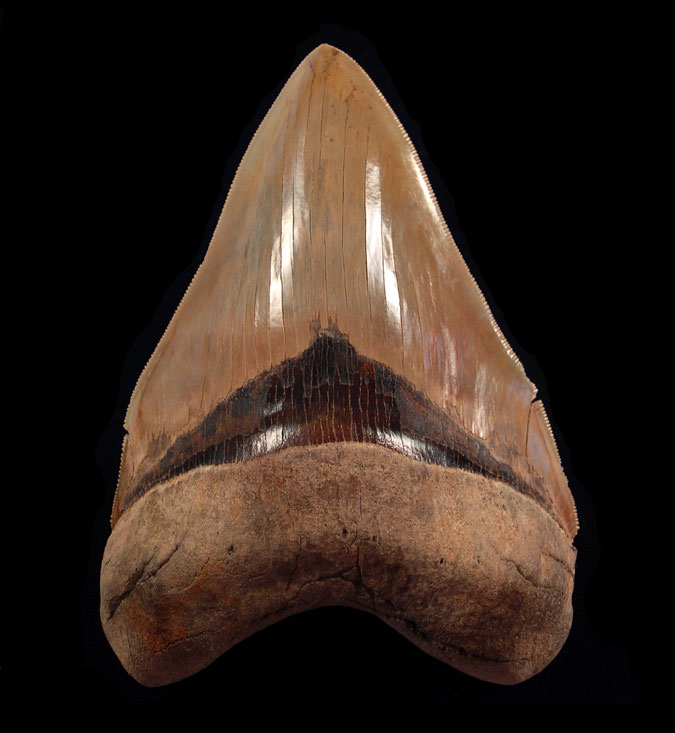
Have you ever wondered how big the Megalodon tooth was? These prehistoric teeth were massive—some measuring over six inches long. Imagine holding a tooth bigger than your palm, razor-sharp and built to crush giant prey. The Megalodon was the largest shark to have ever lived, and its teeth provide clues about its terrifying size and power. When we talk about these giant teeth, we’re not just talking about fossils—we’re holding a piece of an ancient sea predator’s legacy.
This huge tooth size sets Megalodon apart from any shark alive today. But what exactly made these teeth so special beyond just being big? Let’s take a closer look.
Why Were Megalodon Teeth So Massive?
The question of how big the Megalodon tooth is often leads to curiosity about why these teeth grew so large. It wasn’t just luck or random growth. The size of the teeth was directly related to the Megalodon’s hunting lifestyle. Bigger teeth meant the ability to catch and kill massive prey, such as whales.
Megalodon teeth were built like natural weapons—triangular, thick, and serrated along the edges. This design made it easier for the shark to slice through flesh and bone. The larger the tooth, the more powerful the bite. The combination of size and sharpness made Megalodon a top predator millions of years ago.
Next, let’s compare these giant teeth to those of modern sharks to get a better picture of just how enormous Megalodon was.
Comparing Megalodon Teeth to Modern Sharks
When you ask how big a Megalodon tooth is, it helps to put its size into perspective by comparing it to that of modern sharks. A great white shark, for example, has teeth around 2 to 3 inches long. Megalodon teeth, on the other hand, can be twice that size or more.
This means that Megalodon’s teeth were not only bigger but built to handle much larger prey. The difference shows just how much larger Megalodon was compared to today’s ocean predators. It’s like comparing a pickup truck to a monster truck!
Understanding these differences helps us appreciate the evolutionary scale of Megalodon’s teeth and its place in ocean history. Now, what do these teeth tell us about the shark’s actual size?
Using Teeth Size to Estimate Megalodon’s Length
Scientists have a clever way to estimate the size of Megalodon by measuring the teeth. When someone wonders how big the Megalodon tooth was, they’re often curious about the shark’s total length.
There’s a rough rule: each inch of tooth length equals about 10 feet of shark length. So, a 6-inch tooth suggests a shark around 60 feet long! That’s longer than two school buses end to end. This method isn’t exact, but it gives a good estimate.
This means that Megalodon was truly a giant of the seas, and its teeth were the perfect indicators of its size. But where do we find these massive teeth today?
Where to Find Megalodon Teeth Fossils?
If you’re wondering how big the Megalodon tooth is, you might also want to know where people find these giant fossils. The answer: all over the world! Especially in the southeastern United States, like South Carolina and Florida, where ancient seabeds are now exposed.
Fossil hunters have discovered many teeth over 6 inches long in these places. These sites give us valuable information about the shark and the environment it lived in millions of years ago. Collecting Megalodon teeth has become a popular hobby, and these fossils attract scientists and enthusiasts alike.
Now that we know where to find these teeth, what makes them so valuable?
The Value and Rarity of Large Megalodon Teeth
Large Megalodon teeth aren’t just interesting—they’re valuable. When collectors ask how big the Megalodon tooth was, they’re often thinking about rarity and worth.
Teeth over 6 inches long, especially in excellent condition with intact serrations and roots, can sell for thousands of dollars. Some teeth even show rare colors like red or green, which increases their value. Because not all teeth survive the fossilization process intact, large, perfect specimens are highly prized.
This rarity adds excitement for collectors and scientists, making every big tooth a treasured find. But what does the tooth itself look like up close?
What Does a Megalodon Tooth Look Like?
Understanding how big the Megalodon tooth is also involves knowing what it looks like up close. These teeth are thick and triangular, with serrated edges perfect for cutting through prey.
The root is strong and broad, anchoring the tooth firmly in the jaw. Near the root, you might see a dark band called a bourlette, adding to the tooth’s unique appearance. These details reveal how the teeth were perfectly designed for strength and function.
Seeing a tooth like this helps us imagine the power behind each bite Megalodon took. But if you’re a fossil lover, you might wonder how to get your hands on one of these giants.
How to Own a Megalodon Tooth?
If you’re thinking about owning a piece of history, you might ask how big the Megalodon tooth is to find the perfect specimen. Fortunately, you don’t need to be a scientist or diver to get one.
Many fossil dealers sell real Megalodon teeth, and some are over 6 inches long! When shopping, look for teeth with good serrations and roots, and buy from trusted sellers to avoid fakes.
Owning a 6-inch Megalodon tooth is not just a cool collectible; it’s like holding a piece of a time when giants ruled the oceans.
What Can Megalodon Teeth Teach Us?
Finally, when we explore how big the Megalodon tooth is, we realize these fossils tell stories beyond size. They give us clues about prehistoric oceans, predator-prey relationships, and the evolution of sharks.
Each tooth is a time capsule from millions of years ago, helping scientists understand how the ocean ecosystem worked back then. The size, shape, and wear of teeth can tell us what Megalodon ate and how it hunted.
These giant teeth keep teaching us about a fascinating world long gone but never forgotten.
Ready to Explore Your Own Megalodon Giant?
Now that you know how big the Megalodon tooth is and what it means, why not explore this fascinating part of natural history yourself? Whether you want to hunt for fossils, buy a collectible, or just learn more, these teeth are a gateway to the prehistoric ocean.
Don’t miss out on holding a 6-inch piece of the past! Check out trusted dealers, local fossil sites, or museums near you. Dive into the adventure and bring a giant of the deep into your life today.






