

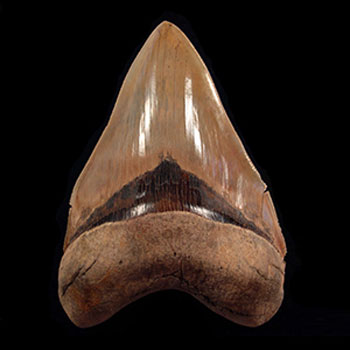
The excitement of Shark Week often reignites curiosity about prehistoric seas and the giants that once ruled them. Within that excitement lies a real-world connection: a megalodon tooth found in North Myrtle Beach has become a bridge between paleontology and the popular fascination with sharks. Fossil enthusiasts, collectors, and science educators recognize how discoveries like this deepen our understanding of Earth’s history while inspiring audiences worldwide. This blending of authentic fossil evidence with Shark Week’s storytelling captures the imagination of viewers, students, and anyone fascinated by the natural world.
The Megalodon: Apex Predator of Prehistoric Oceans
Long before the great white shark became the cultural icon it is today, the megalodon dominated the seas. Growing up to 60 feet in length and weighing over 70 tons, this prehistoric shark was the ultimate predator. Its bite force, estimated at nearly 180,000 newtons, made short work of whales and other large marine mammals. Unlike bones, which often decay before fossilization, shark teeth survive remarkably well due to their durability.
Each megalodon tooth tells a story of survival, adaptation, and eventual extinction. The largest teeth—sometimes reaching over seven inches—demonstrate the sheer size and power of this animal. Holding one provides a tangible connection to a world that existed millions of years ago.
Why North Myrtle Beach Matters
Megalodon teeth have been discovered across the globe, from South America to Asia. Yet, collectors and scientists alike regard North Myrtle Beach as an especially fascinating location. The coastal currents and sedimentary layers here often expose specimens that are not only intact but strikingly well-preserved. This means that a megalodon tooth found in North Myrtle Beach can showcase vibrant colors, clear serrations, and minimal erosion—features that elevate its rarity.
The conditions of this coastline act like a natural time capsule. Sediments protect teeth from wear, allowing collectors today to stumble upon fossils that retain much of their original structure and beauty. The thrill of walking along the shoreline and uncovering a fossilized tooth remains one of the most exhilarating aspects of paleontology for beginners and experts alike.
Fossils Meet Pop Culture: The Shark Week Connection
For nearly four decades, Shark Week has captivated audiences with awe-inspiring footage, dramatic storytelling, and educational programming. What makes the discovery of fossils like megalodon teeth so relevant is that they validate and enrich the stories told on screen. A fossil specimen provides the physical evidence that supports what Shark Week illustrates: sharks have been shaping marine ecosystems for millions of years.
Educators skillfully harness the thrill of Shark Week to spark curiosity in their classrooms, and fossils are an amazing hands-on teaching resource! For example, showing students a stunning megalodon tooth while exploring exciting programming about modern sharks connects their imaginations to real science. This transformation turns Shark Week from simple entertainment into a truly enriching educational experience, making the allure of these ancient creatures a fantastic learning opportunity that captures students' imaginations and deepens their appreciation for marine science. It's inspiring to see such enthusiasm in the pursuit of knowledge!
Collector’s Treasure and a Scientist’s Data
To fossil collectors, owning a megalodon tooth is a dream come true. For paleontologists, these teeth are more than collectibles—they’re data points. By examining enamel wear, serration sharpness, and coloration, scientists can piece together how the megalodon hunted, what it ate, and where it thrived.
A tooth recovered from North Myrtle Beach isn’t just a relic of the past; it’s an insight into an ecosystem where predators and prey evolved in tandem. The more specimens we uncover, the clearer our picture becomes of the megalodon’s role in ancient oceans.
The Global Context
While North Myrtle Beach offers extraordinary finds, it’s only part of a global fossil narrative. Florida and Georgia yield teeth with lighter sediment-based coloration. Sharktooth Hill in California is world-renowned for its historical fossil deposits. Peru and Chile produce some of the largest specimens ever discovered, rivaling those from the Carolinas.
The megalodon's widespread presence in prehistoric oceans is truly fascinating! What makes the megalodon teeth found at North Myrtle Beach especially remarkable are the unique environmental conditions along the Carolina coastline. These teeth aren’t just any fossils; their impressive size, incredible preservation, and stunning beauty make them extraordinary treasures. They’re sure to captivate collectors and enthusiasts, adding great value to any collection!
Accessibility and the Thrill of the Hunt
One reason fossil collecting endures as a beloved hobby is its accessibility. Families vacationing in South Carolina often stumble across smaller shark teeth while strolling the beach. Though finding a megalodon tooth is rare, the possibility of discovery makes every walk along the shore an adventure.
At the same time, it’s essential to collect responsibly. Protecting natural habitats ensures that future generations can share in the joy of discovery. Legal collecting practices, paired with professional sourcing, guarantee that fossils are preserved with integrity.
Bringing Prehistory Home
Not everyone can hunt for fossils on the Carolina shores. That’s why we at Buried Treasure Fossils are proud to make authentic specimens available worldwide. Since 2000, we’ve dedicated ourselves to sourcing and sharing fossils that are scientifically significant, legally collected, and accessible to both beginners and seasoned collectors. Our catalog includes everything from entry-level specimens under $50 to museum-grade megalodon teeth, dinosaur claws, and ammonites.
We believe every fossil carries an educational mission. Each item we offer is accompanied by detailed historical context, helping collectors understand not just what they own, but the ancient story it tells. That philosophy reflects our passion: making the prehistoric world approachable and engaging.
Why These Fossils Inspire Wonder
Whether displayed in a living room, a science classroom, or a museum cabinet, fossils invite conversation. They connect people of all ages to Earth’s evolutionary past. A tooth from a megalodon sparks questions: How big was the shark? What did it eat? Why did it go extinct? These questions aren’t just scientific—they’re cultural, weaving into everything from documentaries to Shark Week marathons.
This is the power of fossils: they’re both evidence and inspiration. They validate scientific hypotheses while fueling the imagination of audiences who tune in to celebrate sharks year after year.
Conclusion: Discovery That Connects Us
In the end, a megalodon tooth found in North Myrtle Beach represents far more than a collectible. It symbolizes the link between tangible prehistoric evidence and modern-day fascination, as seen through cultural phenomena like Shark Week. It reminds us that science and storytelling together keep the past alive in the present.
As collectors, educators, and enthusiasts, we share the responsibility of honoring these treasures by appreciating their scientific and cultural significance. If you’re ready to explore this world further, we invite you to discover authentic fossils with us—pieces of history that carry millions of years of stories and connect you to the awe of Earth’s prehistoric seas.






