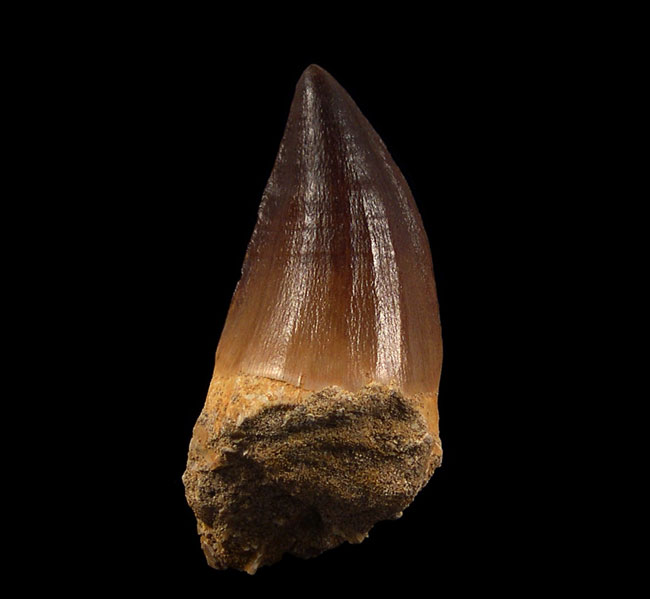
Sharks have fascinated people for centuries, and none more so than the massive megalodon. The allure of owning one of its teeth is irresistible for collectors and enthusiasts. Fossilized teeth carry a sense of history—fragments of a creature that once ruled the oceans. But with their popularity comes a growing problem: how to tell if what you’re holding is real or a fake megalodon tooth. Many replicas are circulating today, and knowing how to spot the difference can save you from disappointment.
Before diving deeper, let’s set the stage. Fossil collecting is a journey that blends science, history, and curiosity. The excitement of discovery can sometimes make us overlook red flags. That’s why learning how to evaluate fossils properly is essential.
Why Megalodon Teeth Are So Coveted
Megalodons are believed to have grown up to 60 feet long, making them one of the largest predators ever. Their teeth, ranging from palm-sized to larger, are iconic because of their triangular shape and serrated edges.
Collectors value these fossils not only for their appearance but for what they represent—an ancient apex predator that ruled the seas for millions of years. With such demand, the fossil market has become both fascinating and risky, attracting genuine finds as well as manufactured fakes.
Common Materials Used in Replicas
Replica makers often use resin, plaster, or even stone powder to mold their versions of teeth. At first glance, these can appear convincing. They may be painted to mimic the natural mineralization that happens when fossils form over time. Some fakes even incorporate fragments of real fossils, blending authenticity with fabrication to fool the buyer.
The result is a product that might pass a casual inspection but falls short under closer examination. Learning about these materials is your first step toward recognizing the difference between authentic fossils and imitations.
The Feel Test: Surface and Texture
A straightforward way to start is by feeling the tooth. Authentic fossils usually have a solid, mineralized weight. They feel dense, calm, and smooth in certain places but also show slight pitting where minerals have crystallized. Replicas, in contrast, often feel lighter and have a uniform texture that seems too consistent.
Running your fingers across the serrations can also reveal clues. Real megalodon teeth usually show tiny irregularities along the edge, while replicas often appear unnaturally sharp or too perfect.
The Look Test: Color and Shine
Color is another crucial factor. Genuine fossils vary in shade depending on the sediment in which they were buried, ranging from deep black to earthy browns or even hints of blue. Fakes, however, may have paint that looks flat or unnaturally glossy.
Another sign to watch for is the root of the tooth. Fossil roots are porous, reflecting their organic origins, whereas replicas may look smooth or overly uniform in design. A shiny, plastic-like finish is often a dead giveaway.
Examining the Serrations
The serrated edges of a megalodon tooth are crucial for identification. Over millions of years, these serrations wear down, break, or become uneven. A replica often misses these natural imperfections. Instead, you’ll see machine-like uniformity, as though it were stamped or cut by a tool.
Magnifying the serrations can make the difference more straightforward. Tiny chips, breaks, or uneven lines suggest authenticity, while flawless edges raise suspicion.
Context Matters: Provenance and Seller Credibility
Even if the tooth looks convincing, context is everything. Fossil hunters and reputable sellers typically provide information on the location where a fossil was found. Location and geological details can confirm authenticity. On the other hand, vague descriptions, low prices, and the absence of provenance documentation are signs that you may be dealing with a replica.
Asking questions can make all the difference. Reputable sellers won’t shy away from explaining how a fossil was obtained or providing verification.
How Collectors Can Protect Themselves
For anyone new to collecting, it’s smart to start with smaller, less expensive fossils to learn the ropes. Handling different specimens helps build familiarity with the weight, texture, and appearance of authentic pieces. Using reference materials, joining fossil forums, and attending fossil shows are excellent ways to expand your knowledge of fossils.
Investing in a magnifying glass or loupe can also help. By getting a closer look at the surface, serrations, and coloration, you’ll gain the ability to spot suspicious signs.
The Allure of Replicas
It’s worth noting that replicas are not inherently evil. Many are crafted for educational purposes, allowing classrooms and museums to showcase specimens that would otherwise be rare or too fragile to display. They can also be appealing for decorative use. The problem arises only when replicas are passed off as authentic fossils without disclosure.
Recognizing their place in fossil culture helps collectors appreciate the difference between decorative pieces and genuine specimens with scientific and historical value.
Why Authenticity Matters
Owning a genuine megalodon tooth isn’t just about possession—it’s about holding a tangible piece of Earth’s story. Fossils connect us to prehistoric times, offering clues about species that shaped the marine ecosystem. Authentic fossils also retain value, while replicas rarely carry the same long-term worth.
For many collectors, authenticity means honoring the science of paleontology as much as the thrill of collecting. The difference between genuine fossils and replicas is more than financial—it’s about preserving history.
Bringing It All Together
When it comes to fossil collecting, knowledge is your best safeguard. By learning the signs of replicas—whether it’s weight, texture, coloration, or provenance—you can make informed decisions. The more you educate yourself, the less likely you’ll be tricked by a fake megalodon tooth.
Ultimately, collecting fossils should be a rewarding journey, one filled with wonder, curiosity, and a deep respect for natural history. And while replicas may play a role in education and display, nothing compares to the authenticity of a real fossil resting in your hand.
Conclusion
Authentic fossils connect us to the distant past in a way that no replica can. If you’re considering adding a megalodon tooth to your collection, take the time to learn the signs, ask questions, and trust your instincts. The journey is as much about learning as it is about collecting.
Explore with curiosity, approach with care, and let each fossil you choose carry the weight of history. Begin your journey today and ensure the treasures you bring home truly belong to the ancient world.