Page 47 - Blog
- - November 09, 2025
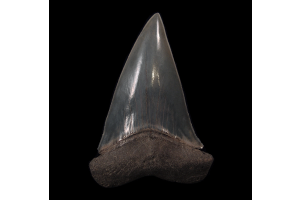
There’s something magical about holding a fossil that connects you directly to Earth’s deep past—a tangible reminder that our planet’s history is vast, mysterious, and full of awe. The Otodus megalodon from Lee Creek is one of those rare treasures that does more than fascinate collectors; it ignites curiosity in learners of all ages. At Buried Treasure Fossils, we see every fossil not just as a specimen, but as a story waiting to be told—a lesson in evolution, science, and imagination that educators can bring alive in classrooms and homeschooling environments.
A Giant from the Deep
Millions of years ago, long before humans walked the Earth, the Otodus megalodon ruled the prehistoric oceans. Reaching lengths of up to 60 feet, this colossal shark had jaws powerful enough to crush whales and other massive marine mammals. Its serrated teeth—some exceeding seven inches—are among the most iconic fossils ever discovered. When students learn about this ocean predator, they’re often amazed that
- - November 09, 2025
Few places in the world capture the imagination of young fossil enthusiasts quite like Maryland’s Calvert Cliffs. Along these towering Miocene-aged cliffs, discoveries of ancient marine life tell stories of a prehistoric ocean that once teemed with life—and a predator that ruled them all: the Otodus megalodon from Calvert Cliffs. These colossal shark teeth not only excite collectors and budding scientists but also offer a powerful way to teach kids about change, adaptation, and the ever-evolving story of life on Earth.
Discovering History in Every Tooth
When children hold a fossilized shark tooth for the first time, they’re literally holding millions of years of natural history. At Calvert Cliffs, erosion reveals layer upon layer of marine fossils, from tiny fish vertebrae to whale bones—and, if you’re lucky, the legendary Megalodon tooth. Each specimen reveals something about the animals that lived, hunted, and adapted long before humans walked the Earth.
At Buried Treasure Fossils, we’re
- - November 09, 2025
There’s something truly magical about holding a piece of Earth’s ancient history in your hand — a glimpse into a time when colossal predators ruled the seas. Among these incredible relics, Sharktooth Hill Megalodon tooth fossils stand out as extraordinary tools for teaching children about evolution, adaptation, and the dynamic story of life on Earth. At Buried Treasure Fossils, we’re passionate about how these fossils not only capture young imaginations but also offer hands-on lessons in science, geology, and environmental change.
Discovering the Fascinating World of Sharktooth Hill
Nestled north of Bakersfield, California, Sharktooth Hill is one of the richest Miocene-age fossil sites in the world. Around 12 to 15 million years ago, this region was submerged under a vast, warm ocean teeming with marine life — from ancient whales and sea lions to the most feared predator of all, the Megalodon. Today, the Sharktooth Hill Megalodon tooth remains one of the most remarkable remnants from
- - November 09, 2025
Children are naturally curious about the world around them. They collect pebbles, shells, and bones, each discovery sparking a “why” or “how.” That curiosity—when nurtured—can transform into a lifelong love for learning and exploration. At Buried Treasure Fossils, we’ve seen how something as fascinating as an 8 inch megalodon tooth can turn that spark of curiosity into full-blown scientific thinking. Whether your child dreams of becoming a paleontologist, artist, or engineer, fossils offer a tangible connection to Earth’s incredible past and a springboard for imaginative exploration.
The Fascination Begins: When Science Meets Wonder
There’s something almost magical about holding a fossil millions of years old. A Megalodon tooth isn’t just an ancient relic—it’s a story frozen in stone. Each serration, ridge, and hue reveals details about a creature that once ruled prehistoric seas. For children, it’s an invitation to time travel through science. When they learn that the Megalodon was
- - November 09, 2025
Fossil collecting is more than just a hobby. It’s a way to connect with Earth’s past and learn how life evolved over millions of years. Among all the fossils out there, few can match the excitement and scientific value of a tooth from the Otodus megalodon.
These teeth are some of the most stunning and sought-after marine fossils in the world. They come from a time when the oceans were ruled by one of the largest predators to ever live, the mighty Otodus megalodon. Let’s take a closer look at why this fossil stands out and why collectors and scientists admire it so much.
What Is the Otodus Megalodon?
The Otodus megalodon was a prehistoric shark that lived between 23 and 3.6 million years ago. It is believed to have grown up to 60 feet long. That’s about the size of a school bus. This massive shark was the top predator in the ocean and had no rivals.
Its teeth were huge, sharp, and designed to tear through whale bones. These teeth could grow over 7 inches long, and many of them still survive
- - October 13, 2025
Sharks have always captured our imagination, but none quite like the mighty Megalodon. From its jaw-dropping appearances in blockbuster films to its role as a recurring figure in ocean documentaries, this prehistoric predator has become a household name. It’s no surprise that megalodon tooth fossil hunting and broader fossil hunting adventures are on the rise, drawing thousands of travelers who want more than just movie magic—they want to uncover pieces of Earth’s ancient past with their own hands.
The Power of Pop Culture in Shaping Curiosity
Movies, books, and documentaries often act as the spark that ignites a passion for exploration. Films like The Meg or programs on Discovery’s Shark Week have transformed the Megalodon from a paleontological subject into a pop culture phenomenon. This global fascination creates curiosity that translates into real-world action. When travelers see giant shark teeth on-screen, many naturally begin wondering where they can find authentic specimens.
- - October 13, 2025
The coastline of South Carolina has long fascinated fossil enthusiasts, paleontologists, and beachcombers with its abundance of prehistoric treasures. Among these, the megalodon tooth found in North Myrtle Beach holds a special place in both scientific study and the hearts of collectors. These massive fossilized teeth are more than just keepsakes from a time when gigantic sharks ruled the seas—they are key pieces of evidence that help us understand the region’s ancient marine ecosystem and geological history.
The Prehistoric Giant Behind the Tooth
The Megalodon, Otodus megalodon, was the largest shark to ever live, dominating oceans approximately 23 to 3.6 million years ago during the Miocene and Pliocene epochs. Growing up to 60 feet long, with teeth reaching over 7 inches, it was a predator that preyed primarily on whales and large marine mammals. The discovery of Megalodon teeth in coastal areas like North Myrtle Beach allows us to reconstruct not only the size and diet of this giant
- - October 13, 2025
The fossil record is more than a collection of ancient bones and teeth—it is a portal into entire ecosystems that thrived long before humans walked the Earth. Among the most fascinating sources of insight are megalodon tooth ledges, natural deposits where the colossal shark’s teeth accumulated alongside a host of other marine fossils. These formations allow us to reconstruct the biodiversity, food webs, and oceanographic conditions of the Miocene and Pliocene, offering researchers and fossil collectors alike an unparalleled glimpse into prehistoric seas.
What Are Megalodon Tooth Ledges?
Megalodon tooth ledges are fascinating sedimentary layers formed in coastal and deep-sea environments millions of years ago! Over time, powerful ocean currents and shifting sea levels guided the impressive teeth of the legendary Otodus megalodon into these rich deposits. But these ledges offer so much more than just teeth; they often hold the remains of diverse marine life, including whales, dolphins, seals,
- - October 13, 2025
Walking along the shoreline of Ocean Isle, it’s easy to be captivated by the rhythmic waves, the salty breeze, and the whispers of ancient history hidden beneath the sand. Among the most extraordinary discoveries are fossilized shark teeth—especially the megalodon tooth in Ocean Isle, which has become a sought-after treasure for marine science researchers, coastal conservationists, and passionate fossil collectors. The region’s unique coastal currents and fossil-rich sediment layers create an environment where these prehistoric relics surface and connect us to a giant predator that once ruled the seas.
The Ocean’s Role in Fossil Exposure
Ocean Isle is a captivating treasure trove, nestled within a vibrant and evolving ecosystem! Here, the rhythmic tides, fierce storms, and relentless erosion work together to create a stunning landscape that also unveils precious relics from our planet's history. The waters, rich with sediment from nearby rivers and ancient seabeds, act like a fascinating
- - October 13, 2025
For fossil enthusiasts who are drawn to bold and iconic pieces, few items are as captivating as the teeth of prehistoric sharks. At Buried Treasure Fossils, we have seen how collectors light up when they see a massive megalodon tooth for the first time or hold a sleek great white tooth in their hand. These fossilized remains tell stories of ancient oceans, monstrous predators, and the enduring legacy of life beneath the waves. And for many collectors, the comparison between a Megalodon vs Great White Shark tooth is a compelling way to explore the richness of shark evolution and the beauty hidden in natural history.
A Glimpse Into a Prehistoric World
When you pick up a megalodon tooth, you’re not just holding a fossil. You're connecting with a creature that once ruled the oceans millions of years ago. These teeth, often measuring over six inches, belonged to the largest shark species ever known to exist. Their size alone makes them commanding, but it’s the sheer age and preservation that