Georgia’s winding rivers attract adventure enthusiasts and fossil hunters searching for prehistoric treasures shaped by time. Beneath the surface, ancient remains rest in darkness, drawing collectors from across the country. Within this challenging environment, discovering a megalodon tooth in Georgia represents both an extraordinary achievement and a serious test of skill, preparation, and respect for nature.
Why Georgia Rivers Hold Prehistoric Giants
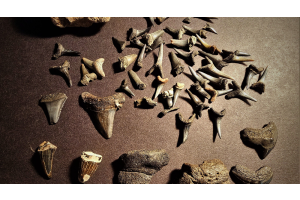
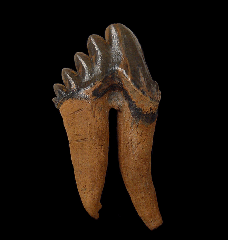
The rivers flowing through Camden and Chatham counties cut directly through fossil-rich layers formed millions of years ago. These waterways expose Miocene-aged deposits where massive sharks once ruled warm coastal seas. A megalodon tooth in Georgia often displays deep coloration and striking preservation, making these finds especially desirable among serious collectors. However, the same geological forces that preserve these fossils also create extreme recovery conditions.
Dangerous Diving Conditions Below the Surface
River diving in Georgia demands far more than enthusiasm. Divers descend into water depths ranging from 30 to 50 feet while navigating swift currents that constantly shift the riverbed. Visibility often drops to near zero, forcing reliance on touch rather than sight. Gravel holes at the bottom conceal sharp debris, heavy sediment, and unstable footing, turning every movement into a calculated risk. These conditions dramatically increase the danger involved in recovering a megalodon tooth in Georgia, even for experienced divers.
Strong Currents and Physical Risks
Fast-moving currents push relentlessly against the body, draining energy and limiting bottom time. Divers must maintain precise control to avoid being swept into deeper channels or submerged obstacles. Sudden changes in current speed frequently occur after storms, further increasing risk. Because of these factors, every successful recovery reflects not luck, but intense physical endurance and refined technique developed through years of experience.
Low Visibility Creates Hidden Hazards
Dark, sediment-filled water conceals hazards until direct contact occurs. Sharp rocks, submerged logs, and discarded debris pose constant threats. Divers must carefully feel through gravel beds while maintaining orientation and air supply. This lack of visibility not only slows recovery but also amplifies danger, reinforcing why authentic river-recovered fossils remain rare and highly valued.
Rarity Born From Difficulty
The extreme recovery process directly limits supply. Few divers possess the training, equipment, and resolve required to operate safely in these rivers. As a result, each recovered specimen carries a story of perseverance and risk. This rarity adds significant value to every megalodon tooth in Georgia, especially those recovered legally from private lands and verified formations like the Hawthorne Formation.
Why Authenticity and Legality Matter
Because river recovery involves such high risk, authenticity becomes essential. Professionally sourced fossils undergo careful verification to ensure they originate from documented locations and lawful collections. Buried Treasure Fossils emphasizes this standard, offering specimens backed by decades of expertise, historical context, and guaranteed authenticity. This approach protects collectors while honoring the scientific importance of these ancient remains.
Choosing Safety Over Risk
Many enthusiasts feel drawn to the thrill of discovery, yet the hidden dangers make unsupervised river diving extremely hazardous. Purchasing verified fossils allows collectors to appreciate prehistoric life without risking serious injury. It also supports responsible fossil recovery that preserves geological sites for future study and enjoyment.
Conclusion: Respect the Past, Collect Responsibly
Recovering a megalodon tooth in Georgia demands courage, precision, and acceptance of real danger created by strong currents, deep water, low visibility, and physical strain. These challenges define the rarity and value of each specimen. For collectors seeking authentic fossils without facing these risks firsthand, carefully sourced options provide a safer and more responsible path. Exploring professionally recovered pieces allows enthusiasts to connect with prehistoric giants while honoring both personal safety and the remarkable history preserved beneath Georgia’s rivers.