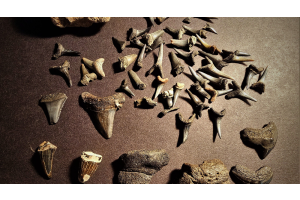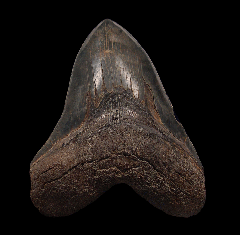
Long before humans ruled the oceans with boats and submarines, a colossal predator dominated the deep blue—the Megalodon. This ancient shark, believed to have grown up to 60 feet long, is now long extinct, but remnants of its reign still surface in the form of massive, fossilized teeth. These incredible relics aren’t only for museums; they’ve become prized treasures for collectors, history enthusiasts, and lovers of the ocean’s mysteries.
For those seeking to buy megalodon tooth specimens, the journey is part history, part adventure—and it’s more accessible than you might think.
Let’s explore why these teeth continue to fascinate, how to identify genuine ones, and what you should know before adding one to your collection.
The Allure of Owning a Megalodon Tooth
There’s something quietly majestic about holding a fossil that’s millions of years old. It’s not simply about the size—though these teeth can reach over 7 inches in length—it’s about the connection to a creature that once ruled the seas.
Each tooth carries a whisper from the past, with serrated edges still sharp enough to hint at their original purpose. For some, it’s a decorative piece with a story. For others, it’s a unique investment—because the rarer the size, shape, and condition, the more value it holds.
What Makes a Tooth Authentic?
In a market where replicas abound, knowing what sets a real megalodon tooth apart is essential. Authenticity hinges on a few factors:
● Weight and Texture: Genuine teeth are mineralized, making them heavy and stone-like.
● Root and Blade Integrity: Original specimens often exhibit wear, erosion, or imperfections due to natural fossilization.
● Color Variations: Fossil teeth may range in color depending on the minerals present in the soil where they were buried. Shades can include earthy browns, black, gray, and even blue.
If you're unsure about what you're buying, reputable sellers provide detailed descriptions, photographs from various angles, and certification when possible.
Sizes, Shapes, and the Price Tag
Not all megalodon teeth are the same. Some are smaller and partial, while others are near perfect in form and color. Naturally, this affects the pricing. Here's a quick guide:
● Smaller or Chipped Teeth: Great for casual collectors and educational displays.
● Mid-Size with Moderate Wear: Suitable for hobbyists looking for a solid piece of prehistoric history.
● Museum-Grade Teeth (Over 6 inches, near-perfect): Rare and costly, these are ideal for serious collectors or investors.
The shape also plays a role. Wide, triangular blades with visible serrations and intact roots are more sought-after than weathered or broken pieces.
Where Do These Fossils Come From?
Many megalodon teeth are found along riverbeds, cliffs, and coastal areas in places like:
● Southeastern United States (especially South Carolina and Florida)
● Morocco
● Indonesia
These regions were once submerged beneath warm seas, making them ideal hunting grounds for the massive shark. Over millions of years, sediments buried these teeth, preserving them until erosion or excavation brought them to light.
How to Choose the Right Tooth for You
Your reason for buying a megalodon tooth will help guide your decision. Are you purchasing it for:
● A decorative piece for your home or office? Go for a medium- to large-toothed option with aesthetic appeal and a symmetrical shape.
● An educational tool? Choose a smaller specimen with visible serrations and root structures for examination.
● A rare collectible or gift? Look for high-grade, polished, or uniquely colored teeth that come with certificates of authenticity.
Keep in mind that every fossil is unique. That’s the beauty of owning one—you’re holding a piece of history no one else in the world has.
Caring for Your Fossil Investment
Though fossilized, megalodon teeth can still be affected by the environment if not properly maintained. Here are a few simple care tips:
● Avoid Direct Sunlight: Long exposure to direct sunlight can cause fading or discoloration.
● Keep Dry: Moisture can affect mineralized surfaces, especially if displayed near water.
● Dust Gently: Use a soft brush or cloth. Avoid harsh chemicals or abrasives.
If you plan to frame or mount the tooth, make sure it’s appropriately secured to avoid cracks or chips.
Myths and Fascination Around Megalodon Teeth
Some people believe megalodon teeth hold metaphysical properties—said to promote strength, grounding, and resilience. While there's no scientific backing to these claims, they do add another layer to the tooth's intrigue.
And let’s be honest—there’s something undeniably fascinating about placing a finger along the edge of a 10-million-year-old tooth and imagining the ocean titan it once belonged to.
A Collector’s Conversation Starter
Whether displayed in a glass cabinet or placed on a desk, megalodon teeth have a way of sparking curiosity. Visitors often ask questions, kids want to touch them, and fellow collectors might admire the piece's shape or patina.
It’s more than a fossil—it’s a talking point, a bridge to a forgotten era, and a tangible link to Earth’s rich prehistoric legacy.
The Experience of Acquiring One
The process of acquiring a megalodon tooth adds to its meaning. Scrolling through options, comparing sizes and colors, reading the backstory of where it was found—it’s part of the excitement.
Many collectors recall the moment they received their first tooth as a significant one. For some, it begins a lifelong fascination with fossils. For others, it’s the crowning jewel of an ocean-themed decor or personal collection.
Conclusion: What’s Waiting Beneath the Surface?
To buy megalodon tooth specimens is to take part in a timeless story. These fossils are more than relics—they're reminders of nature’s grandeur, of the mysterious depths of the ocean, and the creatures that once swam freely in waters we now explore.
Whether you’re starting your fossil journey or adding to a growing collection, owning a megalodon tooth is both a quiet thrill and a lasting investment.
Ready to bring home a piece of ancient ocean history? Explore authentic options today and find the fossil that speaks to you.