When we talk about extraordinary fossils, especially those belonging to titans of prehistoric oceans, it is not only their size or novelty that captures attention. Our focus also has to be on how well these fossils have been preserved, because preservation helps us open doors into the deep past.
In the case of the recently uncovered Chile Megalodon tooth, the largest megalodon tooth ever found in the region, the remarkable state of preservation gives us far more than a fragment of history. This discovery allows us to explore the life of a giant shark while also learning about the geological and environmental history of Chile itself.
Uncovering the Chile Megalodon Tooth
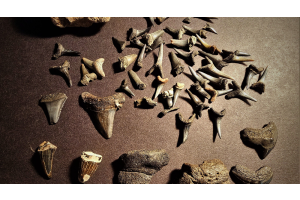
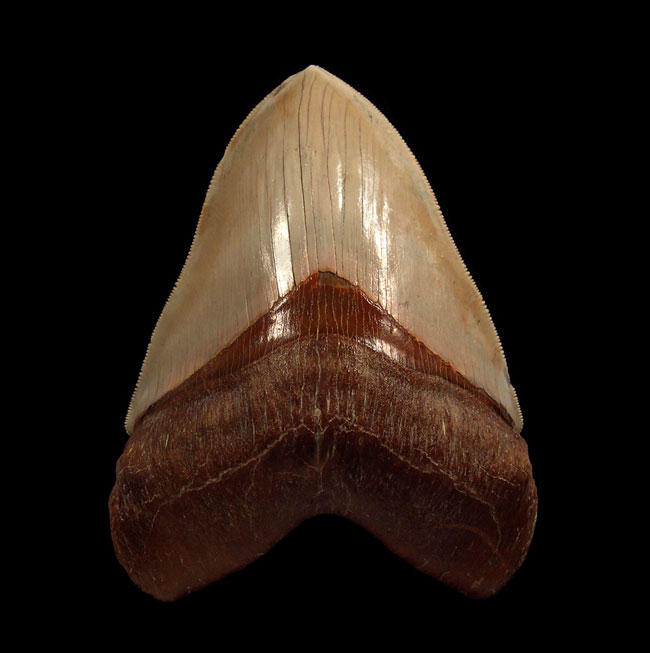
The Chile Megalodon tooth has been described as a singular find, a massive specimen from the prehistoric shark that once dominated the seas. It was discovered in the rugged coastal terrains of Chile, a region known for its dramatic geological features and history. The find has brought together geologists, paleontologists, and local experts who have worked to shed light on an era when enormous marine predators ruled the oceans.
What makes this discovery so significant is not only the size of the tooth but also the condition in which it was preserved. According to the report, this is one of the most prominent Megalodon teeth ever found, and its preservation allows scientists to observe details that would not have been visible had it been more degraded.
The Meaning of Excellent Preservation
When we consider fossils, preservation can range from faint outlines to examples that still show structural details and fine features. A well-preserved specimen provides scientists with a chance to measure size accurately, to notice subtle growth patterns, and to study structural elements like serrations and enamel thickness. These details allow researchers to understand how fast the shark may have grown, what it may have eaten, and how it used its teeth.
In the case of the Chile Megalodon tooth, preservation has ensured that its size, surface features, and wear patterns remain clear enough to offer valuable insights into the biology of this ancient predator. Without such preservation, the specimen would have been far less informative, reducing its scientific importance.
Geological Conditions in Chile
The state of preservation does not occur by chance. It is the result of geological and environmental factors that have worked together over millions of years. Chile’s unique geology has played an essential role in creating ideal conditions for fossils like the Megalodon tooth. The country has been shaped by tectonic movements and volcanic activity over vast stretches of time. These forces have exposed layers of rock, shifted sediments, and sometimes buried remains quickly enough to protect them from erosion. The rugged coastal terrains where the tooth was found are critical, as coastal environments can provide rapid burial in sand, mud, or marine sediments. This quick covering helps shield remains from decay and abrasion, preserving delicate structures that would otherwise be lost.
Over time, Chile’s geological stability has also helped the preservation process. Once the fossil was buried, the absence of extreme heat, pressure, or destructive chemical activity allowed the enamel and serrations to remain intact. In addition, tectonic uplift and erosion played a final role by eventually exposing the fossil without destroying it. These combined factors illustrate how Chile’s natural history has created conditions that allowed this tooth, the largest megalodon tooth ever, to remain preserved for millions of years until its discovery.
Insights From the Fossil
Because the tooth has been preserved so well, researchers have been able to learn more from it than they could from more worn or fragmentary specimens. The size of the tooth supports estimates that Megalodon could reach lengths of up to sixty feet or more, with the dimensions of the teeth scaling predictably with body size. The Chile specimen, therefore, helps strengthen those estimates and provides evidence for the massive scale of the shark.
Preservation also makes it possible to study feeding habits. Wear patterns and damage on the tooth surface can reveal how the shark bit into prey and what types of animals it may have consumed. Fine details in the enamel and edges can also point to whether the shark experienced frequent rivalries or interactions with other predators. In addition, internal features within the tooth can shed light on how quickly it developed and how often teeth were replaced, which can provide clues about the shark’s age and overall life cycle. With its intact condition, the Chile tooth contributes to broader comparisons with other specimens across different times and regions, helping scientists understand ecological variation and evolutionary trends.
What Could Have Happened Instead
The excellent preservation of this tooth becomes even more remarkable when we consider what might have destroyed it. Fossils can be damaged by physical abrasion from waves and currents, which wear away surfaces and edges. They can also be weakened by chemical activity, such as groundwater or volcanic fluids dissolving minerals over time. If burial is delayed, even teeth can lose internal details as organic components decay.
Compression and heat caused by tectonic activity can also distort or crush a fossil completely. The fact that the Chile Megalodon tooth avoided these destructive processes suggests that it was buried quickly and protected in a stable environment, only later brought to the surface by uplift and erosion. This combination of protection and exposure demonstrates the unique conditions that helped preserve it so well.
The Importance of Preservation
Preservation is what transforms a fossil from a fragment of interest into a vital source of knowledge. When details remain intact, scientists gain more substantial evidence and can make more confident conclusions. In the case of the Chile Megalodon tooth, preservation has provided insights into the size, biology, and behavior of one of the largest sharks to have ever lived. It has also given researchers the ability to reconstruct aspects of the environment in which the shark existed. Sedimentation rates, water chemistry, and geological activity can all be inferred from the conditions that allowed the tooth to survive.
Preservation also plays a vital role outside of science. A fossil of this size and quality inspires public interest and supports education. When displayed in museums or highlighted in research, a well-preserved specimen conveys the scale and power of prehistoric life in a way that fragments cannot. The Chile tooth is not only a scientific treasure but also a cultural one, connecting people to Earth’s ancient history.
Conclusion
The discovery of the Chile Megalodon tooth is more than just another fossil find. It demonstrates how environment, geology, and time can either erase or preserve the traces of ancient life. In this case, the conditions of Chile’s coastal terrains, sediment burial, tectonic uplift, and erosion combined to protect this tooth so thoroughly that it still holds meaning millions of years later.
Preservation matters because it allows fragments of history to remain intact, giving science a stronger foundation and connecting us with creatures that once dominated the oceans. The Chile Megalodon tooth, regarded as the largest megalodon tooth ever, stands as rare evidence of how preservation can reveal as much significance as the fossil itself.