

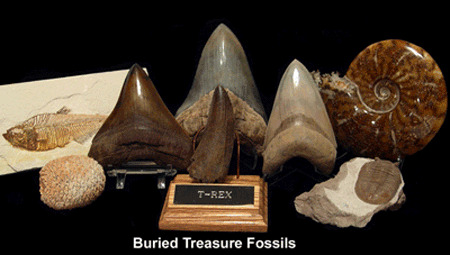
Few fossils can capture the imagination like the teeth of Otodus megalodon, the massive shark that swam the oceans during the Miocene and Pliocene epochs. As collectors, we often find ourselves fascinated by these fossils, and our services are dedicated to helping enthusiasts understand their history and significance.
We know that condition, size, color, and provenance all contribute to value, but one factor that is often underestimated is the region where a tooth originates. This connection between location and rarity plays a central role in determining how valuable a specimen may become, especially when it is part of a megalodon tooth collection.
Why Region Plays Such a Critical Role
The origin of a fossil matters for several reasons. Some regions have been heavily searched and are known for producing larger quantities of teeth, while others are remote or less studied, which makes discoveries far less common. Accessibility affects how many specimens can be collected, and in turn, it directly influences rarity. Preservation also varies by region because fossilization depends on local conditions such as sediment type, mineral content, and erosion.
These factors may allow a tooth to retain sharper serrations, more intact enamel, or unique coloration. In addition, some areas are associated with teeth that have striking aesthetic appeal, such as bold colors or strong contrast, which further increases demand. Documentation of a fossil’s exact origin also adds value since provenance offers confidence about authenticity.
Florida: Accessible but Competitive
Florida is a well-known region for fossil hunting, with phosphate mines and river beds yielding many specimens. Because the state is relatively rich in accessible fossil deposits, it has produced a steady supply of Megalodon teeth over the years. This abundance means collectors can often find Florida fossils in the marketplace.
While exceptional size and excellent preservation still add significant value, the fact that Florida produces a higher volume of specimens limits the rarity premium. Collectors may view Florida teeth as reliable and desirable, but the competition among specimens keeps prices from reaching the levels seen in rarer regions.
South Carolina: Known for Preservation and Color
South Carolina, particularly its coastal rivers, is famous for producing teeth with excellent preservation and striking coloration. The minerals within the sediments contribute to distinctive shades and patterns, giving the fossils an appearance that collectors find especially appealing. Because of these qualities, South Carolina specimens are often regarded as more valuable than those from more common regions.
When a large and well-preserved tooth comes from these rivers, the combination of condition and origin elevates it significantly. For collectors who want visually captivating pieces, South Carolina fossils are often among the most sought-after.
Chile: Scarcity Creates Prestige
Specimens from Chile are less frequently available in the fossil market, and this scarcity makes them particularly attractive to collectors. Unlike Florida, where the supply is more abundant, Chilean fossils appear in much smaller numbers. This limited availability naturally boosts value because collectors recognize that opportunities to acquire these specimens are rare.
When a Chilean tooth also displays impressive preservation or large size, its desirability increases even more. The combination of origin and condition makes Chilean fossils a highlight in any collection, and scarcity ensures they retain their prestige over time.
Factors That Shape Regional Scarcity
Several elements explain why fossils from one area may be rarer than those from another. Geological age and sediment exposure play a role because deposits from the Miocene and Pliocene are essential for preserving Megalodon teeth. Where these layers remain buried or eroded, recovery is limited. Location also matters, as remote areas or those with restrictions make collecting more challenging.
Market supply further influences rarity since some regions have produced teeth for decades, while others contribute only a small number of specimens. Finally, size thresholds affect scarcity everywhere. Teeth over six inches are rare regardless of origin, but they are even less common in certain regions, which amplifies their value.
How Regional Rarity Interacts With Other Value Factors
Regional rarity does not act in isolation but interacts with other qualities that determine worth. Size is always a central factor, and when a specimen over six inches originates from a region where large fossils are especially unusual, the price can increase dramatically. Condition also plays a role, as intact serrations and enamel are more impressive when they come from a locality where preservation is typically limited. Color and mineral-based variations add aesthetic appeal, and these features are often tied to regional sediment characteristics.
Provenance enhances credibility, so a specimen from a rare location with strong documentation can exceed the value of a similar fossil from a more common source. Market demand completes the equation, since attention on specific localities through exhibitions or studies can further increase value. These combined elements explain why certain fossils quickly become prized pieces in a megalodon tooth collection.
The Impact of Rarity on the Marketplace
The influence of regional rarity is seen most clearly in the way prices rise for certain specimens. Teeth over six inches are already scarce and are known to command thousands of dollars. When they originate from a region where large fossils are even less common, their rarity drives prices even higher.
Regions such as South Carolina contribute fossils with superior preservation and striking coloration, and those qualities amplify appeal. Limited availability from regions like Chile ensures that these fossils remain difficult to acquire, which strengthens their long-term value. Collectors often see specimens from rare regions as not only significant additions to their collections but also as fossils with enduring worth.
Guidance for Collectors Considering Region
For those building or expanding collections, understanding the importance of a region is essential. Asking for detailed provenance ensures that the origin of a specimen is well documented and reliable. Comparing market prices by region can highlight differences in value between, for example, Florida and Chilean fossils.
Condition often outweighs origin, but when an exceptionally well-preserved fossil comes from a scarce region, the combination elevates its significance. Monitoring large specimens is also worthwhile, since they are uncommon everywhere but especially so in rare locations. Finally, working with reputable sources who provide reliable documentation helps guarantee authenticity and protects long-term value.
Conclusion: Recognizing the Power of Regional Rarity
The region of origin plays a vital role in shaping the rarity and value of Megalodon teeth. While size, condition, coloration, and provenance remain important, the place where a fossil was discovered often introduces an additional layer of significance. Florida fossils may be more accessible, South Carolina specimens may be admired for their preservation and color, and Chilean teeth may be treasured for their scarcity.
Collectors who pay attention to these distinctions gain a deeper understanding of the marketplace and appreciate the historical story that each fossil carries. For anyone assembling a megalodon tooth collection, recognizing the influence of regional rarity is a meaningful step toward building a collection that holds both beauty and long-term value.






