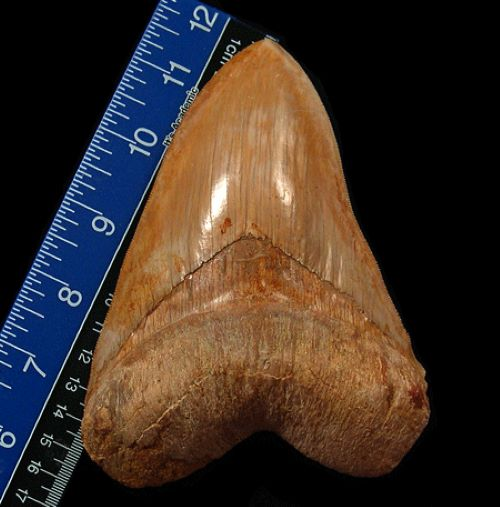
Collectors often ask the same question when they come across a Megalodon tooth. How big can a Megalodon tooth get, and does that size really affect its value? These ancient teeth carry more than just fossil appeal. Their size triggers curiosity, sets pricing expectations, and helps collectors understand what they’re really looking at. If you’re exploring the world of Megalodon fossils, this guide will help you figure out what big really means, and why size matters beyond looks.
The Most Common Sizes and Why They Matter
Most Megalodon teeth fall between three and five inches. This size range fills many fossil displays. Newer collectors often start here because these teeth remain widely available and offer a substantial visual impact without pushing high prices. Four-inch specimens look impressive, but they don’t usually fall into the premium category. Once a tooth reaches a length of five and a half inches, it begins to stand out. At that point, collectors see it as more than just another fossil—it becomes a serious piece.
Why the Six-Inch Line Separates Common from Premium?
When a Megalodon tooth crosses six inches, it enters a different class. Collectors are aware that this size is rare and pay close attention to every detail. A six-inch tooth with sharp serrations and strong symmetry immediately catches the eye. Size alone gets it noticed, but condition and shape seal the deal. This is the stage where people stop comparing prices and start thinking in terms of long-term value. Every extra fraction of an inch brings more weight in both rarity and price.
Key Details Buyers Must Always Evaluate
Size alone doesn’t tell the whole story. Buyers should always check for:
● Sharp and complete serrations along the edge
● Intact root structure without erosion or cracks
● Clean enamel surface with minimal pitting or wear
● Strong symmetry from tip to base
● Unique coloration or mineral patterns that add appeal
When a tooth combines size with these traits, it earns higher respect and a higher price. A large tooth with heavy wear may still look good, but collectors notice when the finer details don’t match the measurement.
Pricing Always Follows Size Brackets Closely
The market doesn’t treat size as a straight line. Instead, it treats specific numbers as value jumps. A five-point-nine-inch tooth may cost one amount. A six-point-one-inch tooth with a similar condition can jump hundreds or even thousands above that. These small changes affect perceived rarity. Both collectors and sellers understand where the size brackets sit and how they influence the buying conversation. Knowing these thresholds helps you avoid overpaying or missing a good deal when you spot one.
Understand the Size Categories That Guide Collectors
To simplify things for collectors, here’s how experts often view size brackets:
● Under four inches: Best for entry-level buyers or casual displays
● Four to five-point-five inches: Most common tier with wide availability
● Five-point-five to six-point-five inches: High-interest range that draws competition
● Six-point-five to seven inches: Rare and desirable tier for advanced collectors
● Over seven inches: Elite specimens that often anchor significant collections
Each step up reduces availability and increases price. The jump from six to six-point-five inches marks a clear shift. Beyond that, you step into scarce territory.
What You Should Know About the Seven-Inch Milestone?
Collectors treat the seven-inch mark like a legend. Very few teeth reach this size, and even fewer remain intact. These teeth don’t just represent fossils—they tell stories about ancient giants that once ruled the oceans. A seven-inch Megalodon tooth stretches nearly the length of an adult hand. That kind of scale shows how big a Megalodon tooth can get, and how exceptional those rare finds really are. Collectors consider them trophy pieces. Fossil hunters dream of finding one.
Why Do Some Big Teeth Outperform Others in Price?
Not every large tooth sells for more just because of length. Condition plays a strong role. A six-point-seven-inch specimen with erosion may not match the price of a smaller one that checks all the right boxes. Serious buyers pay attention to how the tooth presents overall. Size draws them in, but preservation keeps them engaged. Sellers know this. That’s why listings for large teeth always include close-up photos of roots, serrations, and edges to prove their worth.
When Collectors Set Personal Milestones Based on Tooth Size?
Many collectors choose to hunt for teeth based on personal goals. Some aim for their first five-inch tooth. Others save up for a six-point-five or larger specimen to highlight their display. Once a collector reaches that milestone, they often slow down and wait for something truly special. These teeth represent more than measurements. They capture commitment, patience, and discovery. When a collector finally owns one, they remember the search just as much as the find itself.
What Color, Shape, and Location Add to the Fossil’s Appeal?
Color also influences value. Some areas produce dark fossil tones, while others bring lighter or reddish hues. Buyers often look for something that stands out from the crowd. Symmetry also matters. A large tooth that holds a balanced triangle shape tends to command more attention. Collectors appreciate that kind of presentation. Even when size sets the baseline, color and shape make the tooth memorable. Location also influences price. Some dig sites yield cleaner fossils, which adds confidence for serious buyers.
You Can Use Size as a Guide but Not the Only Measure
When shopping for a Megalodon tooth, consider its size carefully. But you shouldn’t stop there. The smartest collectors treat size like a compass, not a destination. They look at how all the parts of the tooth work together. Sharp edges, rich color, firm root, and apparent symmetry all raise a fossil’s value. They also raise satisfaction once you add it to your collection. You won’t regret spending time on research. You will regret rushing into a purchase based only on inches.
Final Thoughts
Collectors don’t just chase numbers. They chase stories. When someone asks how big a Megalodon tooth can get, they’re often imagining something rare and powerful. A tooth that reaches six or seven inches shows the potential size of the most feared predator in the ocean’s history. It connects the past to the present in a way few fossils can. That connection drives passion. It drives purchases. And it keeps the fossil community constantly on the lookout for the next big find.
Footnote
Most large Megalodon teeth broke before fossilizing. That makes full-size, intact specimens even more valuable, not just to collectors, but also to museums and scientific displays worldwide.