

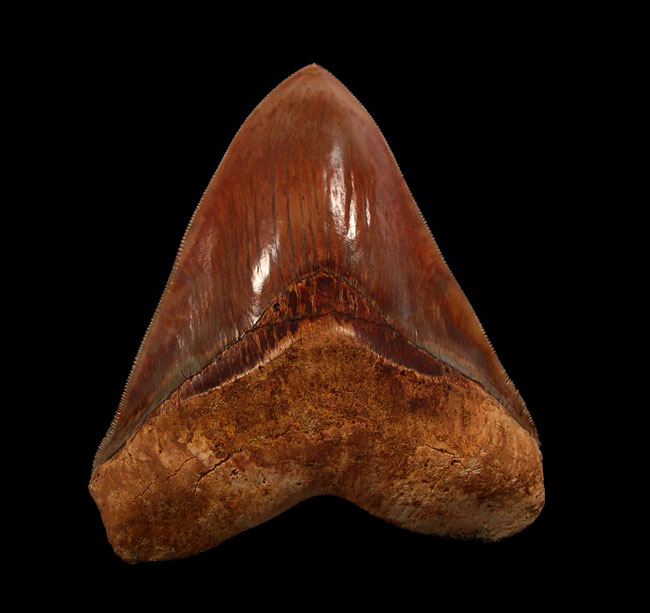
The coastlines of South America are treasure troves of prehistoric secrets, where layers of sediment preserve the fascinating story of Earth’s ancient oceans. Within these layers lies a discovery that excites both scientists and fossil enthusiasts alike: the youngest megalodon tooth found. Unearthed along the shores of Chile and Peru, this fossil not only reveals the final chapters of the mighty Megalodon but also offers vital clues about the shifting ecosystems that contributed to its extinction. At Buried Treasure Fossils, we are passionate about sharing these remarkable finds with marine science students, researchers, and collectors who wish to connect with the awe-inspiring legacy of the world’s most formidable shark.
Unearthing History Along the Pacific Coast
The discovery of the youngest megalodon tooth found in South America highlights the region’s importance as a paleontological hotspot. Chile and Peru boast dynamic geological formations shaped by tectonic activity and nutrient-rich upwelling zones of the Pacific Ocean. These conditions made the area a thriving habitat for marine giants millions of years ago. It is no surprise, then, that sedimentary deposits along these coasts preserve not just Megalodon remains, but also fossils of whales, dolphins, and other sharks that once shared the waters.
For paleontologists, uncovering a Megalodon tooth within younger strata of the Miocene-Pliocene transition represents more than a singular fossil—it represents time’s boundary line. It helps establish when this apex predator last prowled the oceans, narrowing down extinction timelines while sparking debates about what led to the species’ disappearance.
Why This Discovery Matters
The significance of the youngest megalodon tooth found extends far beyond its rarity. Researchers analyze enamel structure, mineralization, and isotopic composition of these teeth to reconstruct the shark’s diet and migratory patterns. Findings suggest that Megalodon was a top-tier predator capable of feeding on large whales. Yet, environmental pressures—such as cooling seas and competition from rising predators like the early Great White Shark—may have tipped the balance against its survival.
South America’s fossil record provides a crucial puzzle piece. These discoveries help scientists map how climate change, shifting ocean currents, and prey availability collectively shaped marine ecosystems at the end of the Pliocene epoch. For students and advanced collectors, such research offers a vivid window into a world where predators grew up to 60 feet long and influenced entire marine food webs.
The South American Connection
What makes Chile and Peru particularly important to this narrative is the preservation environment. The Humboldt Current, one of the world’s strongest upwelling systems, continues today to enrich marine life. Millions of years ago, these same nutrient-rich waters supported vast populations of whales, seals, and other prey species. As these animals thrived, so too did their predator: the Megalodon.
When paleontologists excavate the cliffs of the Atacama Desert in Chile or the desert-like Pisco Basin in Peru, they uncover fossils that reveal how marine life transitioned over epochs. Here, some of the last surviving Megalodon teeth have been recovered, bridging the timeline between dominance and extinction.
A Collector’s Dream and a Researcher’s Resource
For researchers, every fossil represents a story frozen in time, while for collectors, it represents a tangible piece of prehistory. Megalodon teeth are especially coveted because of their size, condition, and direct link to one of the most legendary creatures to have ever lived. The youngest megalodon tooth found in South America symbolizes more than rarity; it is a reminder of a predator that once ruled oceans before succumbing to evolutionary change.
At Buried Treasure Fossils, we make these stories accessible to all. Since our founding in 2000, we have been dedicated to connecting enthusiasts with authentic, legally collected fossils. From entry-level specimens under $50 to museum-quality treasures worth thousands, we ensure that every piece we offer comes with both authenticity and educational value.
Our Passion for Authentic Fossils
Our catalog reflects our genuine enthusiasm for paleontology. Alongside Megalodon teeth, you will find Great White, Otodus, and Mako shark teeth that trace evolutionary lineages. We also feature dinosaur fossils—like T. rex teeth and Triceratops brow horns—that capture the imagination of collectors and inspire scientific curiosity. For marine life enthusiasts, ammonites, trilobites, and even fossil whale bones reveal how ecosystems evolved across millions of years.
Each specimen comes with context: where it was found, its geological age, and its role within prehistoric ecosystems. This emphasis on education ensures that our fossils are more than display pieces—they are tools for learning and discovery.
The Alpha Predator of Ancient Seas
The Megalodon reigned supreme for nearly 20 million years. With teeth measuring over seven inches long and jaws capable of exerting forces stronger than any modern shark, it was the ultimate alpha predator. The youngest megalodon tooth found serves as a reminder of this reign, offering a glimpse into the shark’s twilight years when changing oceans began to erode its dominance.
Its disappearance reshaped marine life. Without the Megalodon, smaller predators diversified, and whales evolved into even larger species without fear of constant predation. For marine science students and paleontologists, studying these shifts is crucial to understanding how ecosystems adapt when apex predators vanish.
Why Collecting Matters
Fossil collecting is not just about possession; it is about preservation and connection. Each fossil represents millions of years of natural history and offers insights that textbooks alone cannot provide. Holding a Megalodon tooth in your hand—especially one tied to the final chapters of its existence—creates an unmatched sense of awe. It reminds us of the vast scale of Earth’s history and the fleeting dominance of even the most powerful species.
At Buried Treasure Fossils, we unite the thrill of scientific discovery with the warmth of personal passion. Our meticulously sourced fossils cater to a diverse audience, from curious students embarking on their educational adventures to seasoned collectors who savor the rich history of each specimen. For researchers in search of reliable reference materials, our collection offers invaluable insights into the prehistoric world. Each fossil we present serves not just as an artifact, but as a captivating gateway to knowledge, sparking fascination and deepening appreciation for the wonders of life that once roamed our planet.
Conclusion: Carrying the Legacy Forward
The youngest megalodon tooth found along the South American coast is more than a rare fossil—it is a vital key to understanding the final days of one of Earth’s most formidable predators. From the nutrient-rich waters of Chile and Peru to the cliffs where time has locked away marine giants, these discoveries deepen our appreciation of prehistoric ecosystems.
As collectors, researchers, and fossil enthusiasts, we share in the excitement of these finds. Every Megalodon tooth reminds us of the awe-inspiring scale of natural history and the mysteries still waiting to be uncovered. By bringing these treasures into your collection, you carry forward a story millions of years in the making. Explore our ever-growing selection and let the past inspire your curiosity for the ancient seas that once belonged to the Megalodon.






