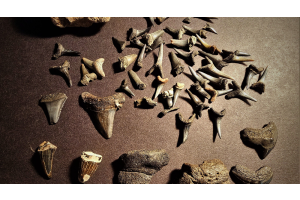
When we look at the fossils that come through our hands, few inspire as much fascination as megalodon teeth. These ancient relics give us a chance to connect with a predator that once ruled the seas. Our collectors often see these fossils not only as treasures of natural history but also as investment pieces.
As prices continue to rise and high-quality specimens become harder to find, some collectors treat these fossils as assets while also weighing the risks that come with speculation. For those wondering, can you buy a megalodon tooth? The answer is yes, and the fascination lies in how such a purchase might serve as both a collectible and an investment.
The Allure of Size, History, and Uniqueness
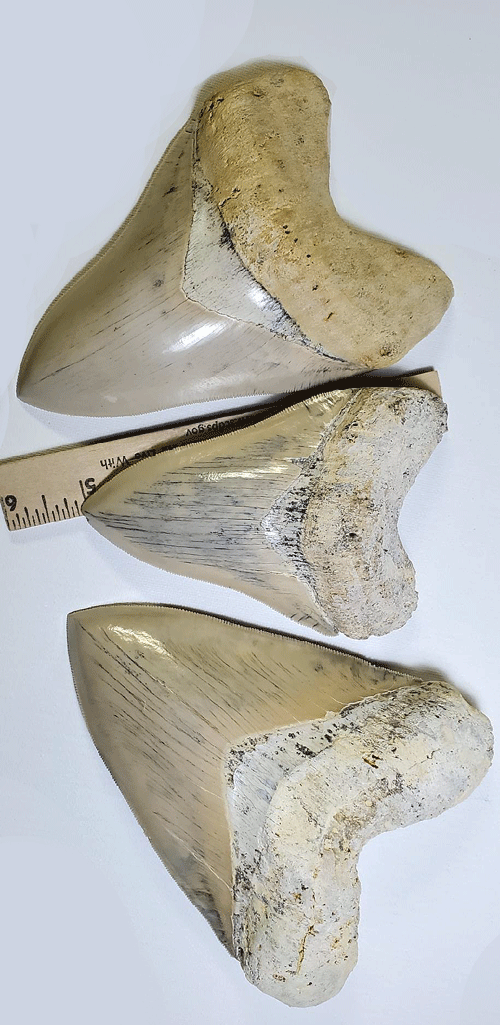
A megalodon tooth can be astonishing in scale, often reaching more than 7 inches, and its presence alone makes it captivating. Holding one allows a person to imagine the sheer magnitude of the predator it once belonged to, while serrations along the edges, though sometimes worn, remind us of its role in the prehistoric food chain. Each tooth carries its own irregularities, enamel patterns, and unique coloration, which means no two fossils are identical.
This individuality adds to their appeal, transforming them from ordinary relics into centerpiece treasures that collectors value both for display and for investment. The combination of size, history, and individuality gives these fossils an enduring charm that few other natural artifacts can rival.
Rarity and Provenance as Drivers of Value
The survival of megalodon teeth over millions of years is remarkable, as countless fossils are destroyed by erosion, geological shifts, or pressure before they can ever be unearthed. This explains why specimens in excellent condition are so rare, particularly large examples with strong serrations, intact enamel, and appealing coloration. These qualities elevate their worth and make them highly sought after.
Equally important is provenance, the documented history of where a fossil was discovered and how it was preserved. Provenance not only adds credibility but also reassures collectors that they are acquiring something authentic rather than a clever imitation. Real fossils carry enamel with a natural gloss that shows subtle imperfections and wear, while mineralization over time gives them weight and rich coloration ranging from blacks and browns to grays and even shades of blue. These natural variations, impossible to fake convincingly, enhance both scientific and market value, making provenance and rarity central factors in determining worth.
Emotional and Intellectual Appeal
Megalodon teeth are more than financial assets; they are tangible pieces of natural history that stir emotions and curiosity. Owning one allows a collector to hold evidence of a predator that swam in the oceans millions of years ago, and that sense of wonder adds to their desirability.
At the same time, they provide intellectual fascination, as serrations reveal feeding habits, enamel wear tells stories of natural forces, and the overall structure helps us understand the anatomy of a species long extinct. This combination of emotional connection and scientific insight strengthens their value and ensures that they remain in demand among enthusiasts and investors alike.
Why Prices Keep Rising
The market for megalodon teeth has shown steady growth, and several key factors explain why prices continue to climb. Interest from collectors has expanded as awareness of prehistoric relics grows, and this demand has made authentic, well-preserved fossils increasingly valuable. The scarcity of large specimens with intact serrations and strong enamel pushes competition higher, while aesthetic qualities such as glossy enamel or marbled coloration further elevate demand.
Verification plays a vital role, since authentic fossils that pass tests for weight, texture, serration detail, and coloration are considered trustworthy. Confidence in authenticity encourages higher bids, and teeth that display well as centerpiece fossils often command premium prices. This has led some collectors to ask themselves: can you buy a megalodon tooth as an investment rather than simply a collectible? While the answer is yes, the market rewards only those specimens that combine rarity, authenticity, and condition, making careful evaluation essential.
The Risks of Fossil Speculation
Despite the excitement of collecting, fossil speculation carries risks that cannot be ignored. Replicas and altered pieces are common, and without careful inspection, buyers may mistake them for genuine specimens. Authentic teeth reveal irregular serrations, natural coloration, and enamel with slight imperfections, while replicas often appear overly polished or uniform. Overvaluation is another concern, as hype can push prices beyond realistic levels for fossils that lack exceptional qualities.
Preservation also plays a major role in value, since chips, enamel wear, or discoloration can reduce worth significantly. Market shifts pose additional challenges, as new discoveries or changing trends may affect both supply and demand. Documentation concerns further complicate the matter, because without provenance, a fossil may raise doubts and struggle to resell at a premium value. Even genuine fossils are not always easy to resell, as buyers tend to be selective and focus on the highest-quality specimens. These risks highlight the need for knowledge and caution when treating fossils as financial assets.
Strategies to Reduce Risk
Experienced collectors apply clear strategies to protect themselves in this unique market. They examine serrations and shapes for irregularities that confirm authenticity, and they study coloration carefully, looking for natural mineral patterns instead of painted or surface-applied colors. The weight of the fossil is another reliable indicator, since mineralized teeth feel significantly heavier than replicas.
Enamel also provides important clues, with natural gloss combined with small imperfections suggesting authenticity, while surfaces that look too polished raise questions. Most importantly, collectors seek provenance that documents the fossil’s origin and history, adding both trust and value. These methods may not eliminate risk entirely, but they give collectors the confidence to make purchases that are more likely to hold value over time.
Collectible or Investment?
Megalodon teeth are often seen as investment fossils because they combine rarity, authenticity, and visual appeal, yet they differ from traditional financial assets. Their values can rise over time, especially for large, well-preserved examples with provenance, but they are not guaranteed to appreciate. Smaller or damaged teeth may remain static in value, and resale depends heavily on demand, authenticity, and condition.
It is more accurate to view these fossils as high-value collectibles with investment qualities. Their worth lies not only in potential financial appreciation but also in the emotional and intellectual satisfaction they bring. This dual role makes them unique assets that straddle the line between history and investment, appealing to both the heart and the wallet of collectors.
Conclusion
Megalodon teeth continue to fascinate and inspire. Their size, rarity, and deep historical significance elevate them into the category of investment fossils, while rising prices reflect the intense demand for specimens of exceptional quality. At the same time, authenticity challenges, inflated values, and market fluctuations reveal the risks of fossil speculation.
By focusing on serrations, enamel texture, coloration, weight, and provenance, collectors can make informed choices that reduce uncertainty and build confidence. These fossils embody more than financial worth; they preserve the story of an apex predator while offering a chance to hold a piece of ancient history. For those still asking, can you buy a megalodon tooth? The answer remains yes, but its true value depends on authenticity, condition, and the enduring story it carries.