Page 4 - Blog
- - January 06, 2026
Long before humans walked the Earth, giant creatures roamed the oceans. Among them was one that continues to spark curiosity, awe, and fascination—an ancient predator whose bite could crush bones and whose presence still lingers through a single object: the tooth.
Not just any tooth, though. The megalodon shark tooth holds a charm unlike any other fossil, stirring imagination and fueling a quiet, growing obsession.
So, what makes this relic of prehistory such a captivating artifact?
A Glimpse Into the Past
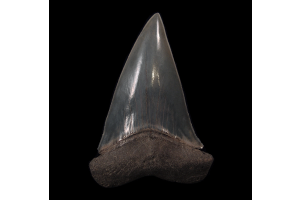
Around 3.6 million years ago, the megalodon ruled the seas as the largest known shark to ever exist. Estimates suggest it could reach lengths of over 60 feet, with teeth the size of a human hand. But today, we know this colossal beast only through the fossils it left behind—most notably, its teeth.
These sharp remnants are more than scientific specimens. They’re relics that connect us with an ancient world and hint at the mysteries of a predator we never witnessed but continue to admire.
- - January 06, 2026
Sharks have always captured human imagination, but few marine predators inspire as much awe as the Megalodon and the modern Great White. Fossil evidence allows scientists and enthusiasts alike to explore how these apex predators hunted and survived. Among the most fascinating comparisons involves jaw strength, feeding mechanics, and sheer power, especially when examining the megalodon shark jaw through fossilized teeth and bite force estimates. This comparison reveals not just differences in size, but dramatic contrasts in evolutionary adaptation and hunting dominance.
Understanding Jaw Power Through Fossils
To appreciate jaw strength, paleontologists rely heavily on teeth. Sharks constantly shed teeth, leaving behind an extraordinary fossil record. These fossils provide direct insight into jaw size, muscle attachment, and feeding behavior. In the case of the Megalodon, massive serrated teeth immediately point toward an animal built for crushing large prey. Researchers use these teeth
- - January 06, 2026
If you're a fossil enthusiast or a collector searching for a specimen with history, rarity, and visual appeal, we offer something worth getting excited about. The Lee Creek Megalodon tooth holds a special place in the fossil world. It’s not just known for its aesthetic appeal but also for its scientific significance. Found in the renowned phosphate mines of Aurora, North Carolina, these teeth come from a location that is now closed to public collection. That means every Lee Creek Megalodon tooth available today is part of a dwindling supply, and that rarity drives both its value and collectability.
The Lee Creek Megalodon tooth isn’t just another fossil. It’s a preserved trace of an ancient apex predator and reflects unique geological features that distinguish it from teeth found in other regions. This makes understanding what you're purchasing absolutely essential before you add one to your collection.
Why Lee Creek Teeth Are So Highly Valued
The phosphate mine in Lee Creek, also referred
- - January 06, 2026
Shark teeth often feel like time capsules, carrying stories from oceans that vanished millions of years ago. Among these remarkable finds, fossilized Megalodon teeth fascinate collectors and scientists alike because they preserve both biological power and geological history. Within this category, the black megalodon tooth stands out as a striking example of how Earth’s processes shape prehistoric remains, revealing clues about ancient environments, burial conditions, and mineral transformation over deep time.
From Living Predator to Fossil Record
During the Miocene and Pliocene epochs, the Megalodon ruled prehistoric seas with massive jaws and serrated teeth designed to hunt whales and large marine mammals. As these sharks continuously shed teeth, countless specimens settled on ancient seafloors. When a tooth became buried under layers of sediment, fossilization began. A black megalodon tooth formed not through chance but through specific geological conditions that favored mineral-rich
- - January 06, 2026
Fossils often whisper secrets of ancient worlds, but every now and then, one roars—and few roar louder than a megalodon tooth. These fossilized remnants are more than relics; they are silent narrators of an ocean that once trembled under the rule of a colossal predator. Somewhere between legend and science, the megalodon commands awe, and one place, in particular, offers a glimpse into its legacy—buried deep beneath the Chilean coastline.
Among collectors and marine fossil enthusiasts, there’s a growing admiration for the Chile megalodon tooth—one of the most exquisite examples of prehistoric marine life ever unearthed.
Let’s explore why this tooth has become such a prized possession, both for its beauty and the story it tells.
The Megalodon’s Unmatched Legacy
Megalodon, often dubbed the largest shark that ever lived, dominated Earth’s oceans millions of years ago. Reaching lengths up to 60 feet, it was nature’s own masterpiece of marine might. But unlike other marine fossils, its teeth
- - January 06, 2026
A megalodon tooth is exciting all by itself. But a pathological megalodon tooth is even more attention-grabbing, because it looks unusual in a way nature created. Maybe the crown twists, the tip splits, or the shape bends in a strange direction. These fossils don’t look “perfect,” and that’s exactly why collectors love them—they’re rare, they’re memorable, and they feel like a real piece of the ocean’s history. Let’s understand how to buy a pathological megalodon tooth for sale without overpaying. We’ll keep it simple, practical, and easy to follow, so you feel confident from the first click to the final purchase.
Understand What “Pathological” Means
“Pathological” sounds complicated, but it just means the tooth formed in an unusual way while the shark was alive. Think of it like a leaf that grows with a curl or a tree branch that bends oddly. It’s still real and natural—just different. That difference matters because it changes how collectors value the tooth. A common, normal tooth
- - January 06, 2026
Georgia’s winding rivers attract adventure enthusiasts and fossil hunters searching for prehistoric treasures shaped by time. Beneath the surface, ancient remains rest in darkness, drawing collectors from across the country. Within this challenging environment, discovering a megalodon tooth in Georgia represents both an extraordinary achievement and a serious test of skill, preparation, and respect for nature.
Why Georgia Rivers Hold Prehistoric Giants
The rivers flowing through Camden and Chatham counties cut directly through fossil-rich layers formed millions of years ago. These waterways expose Miocene-aged deposits where massive sharks once ruled warm coastal seas. A megalodon tooth in Georgia often displays deep coloration and striking preservation, making these finds especially desirable among serious collectors. However, the same geological forces that preserve these fossils also create extreme recovery conditions.
Dangerous Diving Conditions Below the Surface
River diving in
- - January 06, 2026
Few fossil discoveries ignite excitement like a massive shark tooth pulled from ancient seabeds. Long before modern oceans took shape, Megalodon ruled as an unmatched marine predator. Just beyond the opening line of this story sits one extraordinary clue—the largest megalodon tooth ever, a fossil that continues to reshape how scientists understand the true scale of this prehistoric giant.
Fossil shark teeth matter because sharks build their bodies around their feeding power. In the second wave of research surrounding the largest megalodon tooth ever, paleontologists immediately focused on how tooth size connects directly to body length, jaw width, and overall hunting dominance. That connection allows science to move beyond speculation and toward measurable, anatomical certainty.
Tooth Size as a Blueprint for Body Length
Sharks leave behind teeth more often than bones, which makes teeth the most reliable fossil evidence available. Researchers compare Megalodon teeth with those of modern
- - January 06, 2026
Finding what looks like a megalodon tooth on the shore of North Myrtle Beach creates instant excitement. It feels like holding a piece of history in your hand. But one question hits fast. How do you know if it is real? Not every large triangular object in the sand belongs to the extinct giant. When someone claims a megalodon tooth found in North Myrtle Beach, the discovery deserves a closer look, not just a quick celebration. Many beach finds resemble fossil teeth but miss key signs of authenticity. To avoid confusion, you need to learn the features that separate genuine megalodon teeth from common lookalikes. This guide walks you through every critical detail with clarity and purpose.
How Can You Confirm If a Megalodon Tooth Found in North Myrtle Beach Is Real?
A real megalodon tooth follows a specific pattern in size, shape, texture, and color. Most genuine specimens measure between 4 and 6 inches in length. Their triangular shape appears wide and strong, never thin or narrow. Edges
- - January 06, 2026
The fascination with megalodon teeth isn’t just about their impressive size. These ancient relics connect us directly to one of the most powerful predators that ever lived. Whether you're a seasoned collector or someone hunting for your first authentic specimen, knowing where to buy a megalodon tooth online is essential for getting your hands on a genuine, well-preserved fossil. As collectors ourselves, we offer a range of high-quality fossil shark teeth and understand what truly matters when shopping for one.
Start with Reputable Fossil Dealers
When asking where to buy a megalodon tooth online, your first checkpoint should always be the source. Avoid generic marketplaces where authenticity is hard to verify. Instead, go for specialized fossil dealers who focus specifically on prehistoric teeth and can provide detailed provenance.
Reputable fossil sellers showcase teeth with full transparency. They include location found, size, condition, whether it’s been restored, and how it compares