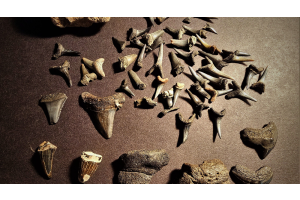
Ancient relics often hold more than historical significance—they carry a sense of awe. Among them, few are as spine-tingling as a fossilized Megalodon tooth. Massive in both size and story, these prehistoric marvels offer a tangible connection to an oceanic predator that once ruled the depths. Tucked away in layers of sediment and coral-rich grounds, a particular discovery has caught the eye of collectors and enthusiasts alike—the Indonesian Megalodon tooth.
This rare fossilized tooth isn't merely a collector's prize—it’s a whisper from a distant era when giants hunted silently beneath the waves.
The Allure of Ancient Giants
The Megalodon, whose name means “big tooth,” wasn’t your average prehistoric fish. Measuring up to 60 feet, it was one of the most dominant predators to ever exist. Its jaw, large enough to crush a car, once terrorized ancient seas with chilling silence. Today, what remains are the fossilized teeth—shards of history shaped like oceanic daggers.
Among all the global locations where these fossils are found, Indonesia has gained a reputation for yielding some of the most intriguing specimens. What sets these finds apart is not only their size but also their unique coloration and patterns. These traits are influenced by the minerals in the soil where they fossilized over millions of years.
Why Indonesia Holds a Special Place in Fossil Hunting
Indonesia's rich volcanic soils and layered marine sediment create ideal conditions for fossil preservation. It’s here, in remote areas once submerged beneath warm prehistoric seas, that Megalodon teeth are uncovered.
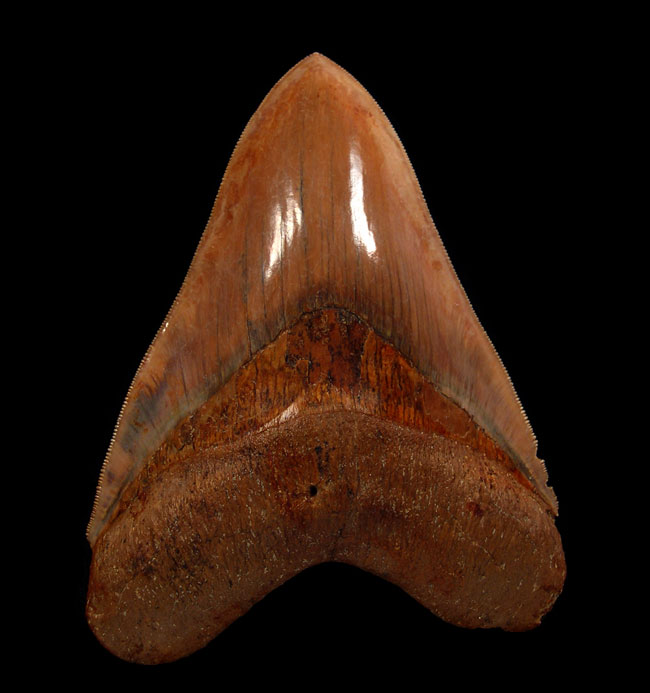
The Indonesian Megalodon tooth, in particular, draws attention for its distinct enamel hues—ranging from subtle sand tones to earthy browns, and even hints of mossy green. The natural elements that seep into the fossil during its long slumber beneath the earth shape its personality, giving every tooth a one-of-a-kind identity.
For paleontology enthusiasts and casual fossil lovers alike, the Indonesian variant brings something fresh to the table. Not merely a display piece, it often becomes the centerpiece—an anchor to conversation and curiosity.
The Craft Behind Preparation and Preservation
When unearthed, these fossilized teeth aren’t immediately ready for display. They often require careful handling, cleaning, and, in some cases, minor restoration. The matrix—surrounding sediment—needs to be gently removed without damaging the enamel.
Collectors tend to appreciate teeth that retain their roots, have serrations, and have intact enamel surfaces. The whole root and fine serrations speak volumes about the tooth's authenticity and completeness. What makes Indonesian teeth exciting is that many specimens are discovered with sharp details and less wear, indicating less movement and erosion post-burial.
Those who prepare these fossils take pride in preserving their integrity. It’s not about perfection, but about maintaining the raw history embedded in each curve and crack.
Holding History in the Palm of Your Hand
There's something undeniably surreal about holding a Megalodon tooth. You begin to imagine the massive creature it belonged to. You think of the moment it may have lost that tooth in a violent hunt, or during a quiet drift through ancient waters.
This sense of mystery is what makes fossils unlike any other collectible. They aren't replicated, molded, or created—they are born of earth, time, and ancient life. Every fossil comes with its own narrative, and Indonesia’s specimens tend to carry theirs more vividly, with color and condition as storytellers.
For some, these teeth remain on display shelves. For others, they become part of jewelry, held close as a tribute to Earth's ancient past. Whichever path you choose, the connection is personal.
What Makes This Tooth Worth Collecting?
Size matters, yes—but it isn’t everything. The appeal lies in a balanced blend of shape, preservation, and story. The best Megalodon teeth from Indonesia offer all three. Collectors often look for symmetry, smooth curves, and unique mineral staining. These natural pigments, formed by fossilization processes, serve as an ancient signature.
Whether you’re seeking a showpiece for your collection or a gift for a fellow enthusiast, a fossil from Indonesia carries weight—not just in grams but in meaning.
Not All Fossils Are Created Equal
When searching for Megalodon teeth, provenance is key. Teeth from different regions exhibit distinct traits. While North Carolina teeth might carry hues of gray or blue, and South American finds show deep, dark roots, Indonesian teeth offer a natural earthiness that’s distinctive and beautiful.
And because of the growing interest in such fossils, authenticity matters more than ever. Serious collectors appreciate transparency about a fossil's origins. Knowing your tooth hails from the rich fossil beds of Indonesia adds credibility—and a deeper story—to your collection.
The Gentle Thrill of Discovery
There’s a quiet thrill in uncovering ancient remnants. Whether you travel to fossil-rich sites or browse carefully curated collections, finding the right tooth is a moment worth savoring.
The Indonesian Megalodon tooth offers more than an artifact—it provides a sense of presence. It's a tangible reminder of what once lurked in the oceans long before humans arrived. Owning one is like borrowing a piece of time itself.
Ready to Hold a Piece of Ancient History?
If you’ve been looking for something truly unique to add to your collection—or even to begin one—the Indonesian Megalodon tooth offers a captivating start. It’s not every day you can own something older than the pyramids, older than most mountains, and indeed older than history books.
We invite you to explore these rare treasures and discover the tooth that speaks to your sense of wonder. Whether for your desk, shelf, or a gift to a fellow enthusiast, it’s more than a fossil—it’s a quiet roar from Earth’s forgotten depths.
Browse our collection today and find the piece that tells your story.