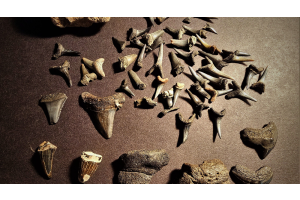
Fossils often whisper secrets of ancient worlds, but every now and then, one roars—and few roar louder than a megalodon tooth. These fossilized remnants are more than relics; they are silent narrators of an ocean that once trembled under the rule of a colossal predator. Somewhere between legend and science, the megalodon commands awe, and one place, in particular, offers a glimpse into its legacy—buried deep beneath the Chilean coastline.
Among collectors and marine fossil enthusiasts, there’s a growing admiration for the Chile megalodon tooth—one of the most exquisite examples of prehistoric marine life ever unearthed.
Let’s explore why this tooth has become such a prized possession, both for its beauty and the story it tells.
The Megalodon’s Unmatched Legacy
Megalodon, often dubbed the largest shark that ever lived, dominated Earth’s oceans millions of years ago. Reaching lengths up to 60 feet, it was nature’s own masterpiece of marine might. But unlike other marine fossils, its teeth carry an eerie, elegant charm—an ancient signature of nature's craftsmanship.
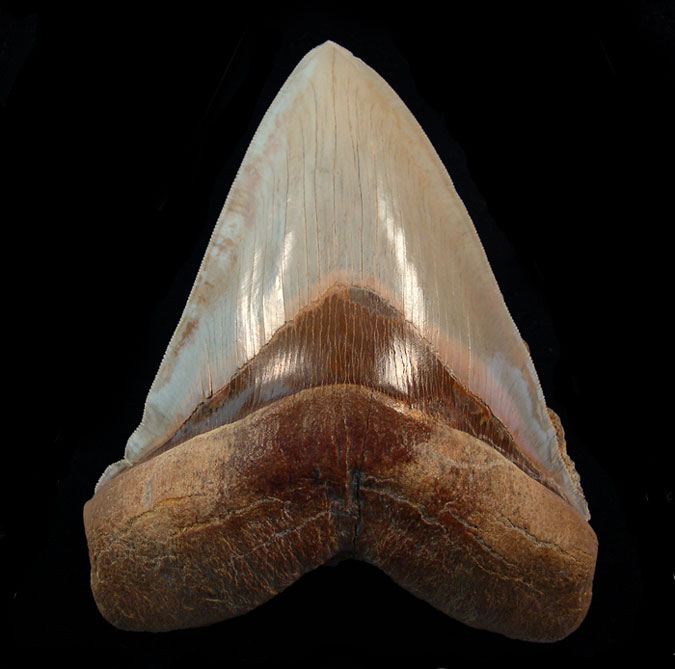
Fossils of this predator are scattered across the globe, but those found in Chile carry a unique mystique. The country’s coastal geology has preserved these teeth with remarkable detail—sharp serrations, vivid enamel, and earthy color gradients that range from smoky greys to warm, ocean-sanded browns.
This preservation makes the Chile megalodon tooth a dream find for fossil lovers.
Why Chile? The Rare Conditions Behind the Find
The coastal cliffs of Chile hold layers of marine sediment dating back to the Miocene epoch. These sediments, once seabeds, were rich with life—and, eventually, death. As giant marine creatures like the megalodon lived and hunted in these waters, they shed thousands of teeth over their lifetimes. Thanks to low oxygen levels and delicate sediment layers, many of those teeth fossilized in pristine condition.
But not all megalodon teeth are created equal.
Some locations offer only fragmented pieces. In contrast, Chile has yielded near-complete specimens, often with intact root structure and enamel. Their coloration, too, is distinct, shaped by the minerals in the surrounding sediment and the passage of time.
For collectors, these differences matter. They don’t simply want a tooth—they want the tooth, and Chile delivers.
What Makes a Megalodon Tooth Valuable?
While all megalodon teeth inspire interest, a few traits elevate certain specimens to true collector’s status. Size is certainly one—teeth over five inches are rare and fetch premium attention. But it's not just about dimensions.
Color: Teeth from Chile often showcase a striking blend of natural hues—charcoal, ivory, and rust tones that flow together in organic harmony.
Preservation: Intact serrations, a firm root, and polished enamel amplify both visual appeal and value.
Origin: Provenance adds context. Knowing a tooth came from Chile doesn’t only tell you where it was found—it paints a picture of a prehistoric ecosystem where the megalodon once reigned supreme.
The Emotional Draw: Holding Time in Your Hands
There’s something deeply human about holding a fossil. It’s a bridge across time, a physical reminder of something that lived, hunted, and vanished long before humans arrived. And with something as large and lethal as a megalodon, the feeling is multiplied.
Running your fingers across the ridged edges of a Chile megalodon tooth isn’t just a moment of curiosity—it’s a quiet thrill. This is not a museum replica. This is the real thing.
Imagine it: A five-inch relic of a prehistoric predator, once submerged in an ocean that’s now part of your palm. It feels unreal because it almost is.
The Collectible Factor: Who’s Buying?
From marine biologists to amateur fossil collectors and curious hobbyists, the appeal of megalodon teeth cuts across disciplines. These fossils have made their way into classrooms, home offices, and even high-end art collections. Some treat them as scientific treasures, others as conversation pieces—but either way, they captivate.
The rarity of Chilean finds only intensifies their desirability. As fossil laws shift and protected regions expand, access to legally collected Chilean fossils has become more restricted. That scarcity elevates every piece still in circulation.
From Ocean Depths to Display Cases
Once extracted from ancient sediment, megalodon teeth undergo careful cleaning—but most are left as nature crafted them. The goal isn’t to alter but to preserve. Tiny imperfections add to the tooth’s story rather than detract from it. They remind us that this fossil endured millennia, storms, tectonic shifts, and still held together.
Displaying one at home is more than décor—it’s placing a fragment of prehistory in your everyday life. There’s a weight to it, not just physical but emotional. It’s grounding and humbling.
Why the Chile Megalodon Tooth Matters Today
In a world filled with replicas, digital simulations, and mass-produced keepsakes, authentic fossils provide a connection to the Earth’s deep past. The Chile megalodon tooth, in particular, stands out as both a scientific artifact and a natural marvel.
Its story begins in an ancient sea and continues in the hands of those who collect, cherish, and preserve it. For those who seek more than a trinket—for those who want a slice of the story—there’s no better fossil to start with.
Ready to Own a Piece of Prehistoric History?
Whether you're a seasoned collector or someone newly intrigued by the world of marine fossils, now is the time to explore what's waiting beneath the surface. A Chile megalodon tooth could be more than your next purchase—it might become the most fascinating artifact you’ve ever held.
Explore the collection today and discover how the ocean’s past can inspire your present.