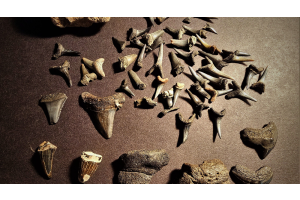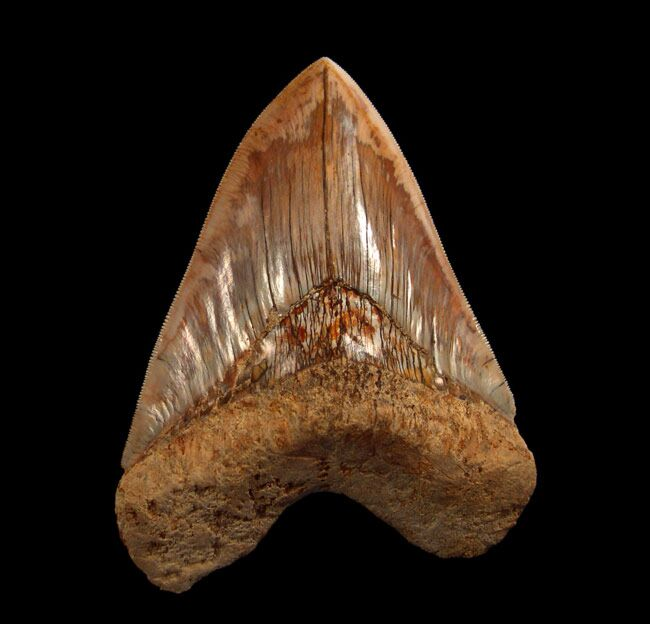
Fossil hunting is not limited to rocky cliffs or dry dig sites. Some of the most exciting discoveries happen in shallow water. Florida’s river systems have long attracted fossil hunters who are eager to uncover ancient shark teeth hidden beneath the surface. We offer this guide to explain why these riverbeds are such productive places to search for prehistoric remains. The interest in megalodon teeth in the Florida River continues to grow because these waterways consistently reveal fossils shaped by time, movement, and history.
Florida’s Ancient Marine History Beneath the Rivers
Millions of years ago, much of Florida was covered by warm, shallow seas. These waters supported a wide range of marine life, including large prehistoric sharks. As sharks lost teeth during feeding, those teeth sank to the ocean floor and became buried in sediment.
Over time, tectonic shifts and sea level changes transformed the landscape. The ancient seabed became dry land, and rivers slowly carved their way through those old marine layers. As a result, fossils that once rested on the ocean floor are now found inland, preserved beneath river sediments.
We continue to see how this deep marine history explains why Florida rivers contain such a high concentration of shark teeth, including those from Megalodon.
How Shifting Sediments Expose Fossils
One of the most important reasons Florida rivers are ideal for fossil hunting is constant sediment movement. Rainfall, flooding, and seasonal water flow shift sand, gravel, and clay along the riverbed. Each shift has the chance to uncover fossils that have been hidden for millions of years.
Heavy rains often wash away lighter materials, leaving behind denser items such as fossilized teeth. This process naturally concentrates fossils in gravel beds and low spots along the river bottom. Even familiar hunting areas can produce new finds after a change in water conditions.
This ongoing movement is why searching for megalodon teeth in the Florida River remains so rewarding. Every visit offers a new opportunity because the environment is always changing.
Water Levels That Support Easy Access
Florida rivers are especially appealing because many areas are shallow enough for wading. You do not need boats or advanced diving skills to begin fossil hunting. During drier seasons, water levels drop and expose more of the riverbed, making it easier to sift through sediment.
We often recommend planning trips during late winter or early spring when water clarity improves and access becomes easier. Lower water levels allow fossil hunters to focus on gravel bars and shallow channels where teeth tend to collect.
This accessibility makes river hunting a great starting point for beginners while still offering excitement for experienced collectors.
Why River Finds Are Often Well Preserved
Freshwater environments can help preserve fossils in excellent condition. Many megalodon teeth found in rivers show clear enamel, visible serrations, and intact roots. This makes identification easier and adds value for collectors.
Unlike teeth recovered from ocean environments, river finds may experience less abrasive wave action. Over time, this can result in fossils that retain more of their original structure.
We often notice that river-collected teeth display unique colors caused by minerals absorbed from the surrounding sediment. These variations help tell the story of where and how the tooth was preserved.
Tools and Techniques That Make River Hunting Beginner-Friendly
Getting started does not require complex equipment. A shovel, a mesh sifter, gloves, and sturdy footwear are often enough. Many fossil hunters build simple sifters using wire mesh and lightweight frames.
We suggest wearing polarized sunglasses to reduce glare and help spot exposed fossils underwater. Water shoes or boots also help protect against sharp rocks and uneven surfaces.
Sifting gravel slowly and carefully increases your chances of spotting the triangular shape of a tooth among the stones. The process is hands-on, rewarding, and easy to learn.
Legal and Responsible Collecting Practices
Florida allows fossil collecting in many river areas, but permits are required for vertebrate fossils. These permits help protect important scientific resources while still allowing public participation.
We always encourage checking local regulations before collecting. Some river sections pass through private property, and protected areas must be respected.
Responsible fossil hunting helps ensure that these environments remain accessible for future generations. Avoid damaging riverbanks and always leave natural areas as you find them.
Tips That Improve Your Chances of Finding Teeth
Experience often teaches valuable lessons. Here are some practical tips that many hunters follow:
● Focus on gravel beds rather than loose sand
● Search slowly and carefully
● Visit after water levels change
● Keep reference images handy for identification
● Record locations that produce results
Patience is essential. Fossil hunting is as much about the process as it is about the discovery.
Learning Through the Fossil Hunting Community
Many people discover fossil hunting through shared knowledge. Online groups, guided trips, and local clubs offer advice and updates on river conditions.
We enjoy seeing how newcomers quickly gain confidence after their first few outings. Even finding smaller shark teeth helps build skills that eventually lead to larger discoveries.
Exploring Florida rivers connects us directly to ancient marine ecosystems that once covered the land we walk on today.
Conclusion
Florida rivers provide an ideal setting for fossil hunting thanks to shifting sediments, exposed marine layers, and accessible water levels. These natural conditions work together to reveal prehistoric treasures that have remained hidden for millions of years. For anyone interested in megalodon teeth and Florida river discoveries, these waterways offer an unmatched opportunity and excitement.
We believe that exploring responsibly and learning through experience make fossil hunting both rewarding and educational. For collectors seeking authentic specimens and expert insight, Buried Treasure Fossils continues to support enthusiasts with carefully sourced fossils and trusted knowledge.
Contact us now to start your fossil hunting adventure, explore expert-guided methods, and uncover megalodon teeth in Florida rivers.