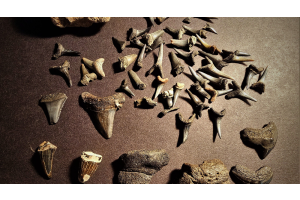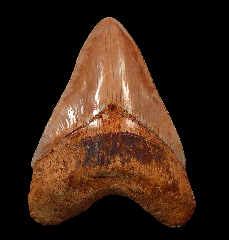
Megalodon teeth are among the most impressive fossils a collector can find, prized for their size, prehistoric origin, and sharp features. As fossil enthusiasts, we offer a variety of authentic specimens, and one of the most common questions we receive is how to identify a real megalodon tooth. If you're searching for one, it’s important to know how to distinguish genuine fossils from replicas. In this guide, we’ll walk you through the key indicators of authenticity, such as color, serrations, size, and mineralization, so you can confidently recognize a real megalodon tooth.
Color Isn’t Always Black and White
One of the first things collectors notice about a megalodon tooth is its color. But contrary to popular belief, color alone doesn’t confirm authenticity. Real megalodon teeth can appear in a wide range of colors, including black, brown, gray, and even hints of red or blue. These variations depend on the minerals in the surrounding sediment where the tooth fossilized.
A real megalodon tooth often shows subtle gradients in color or a two-tone appearance between the root and the enamel blade. These color differences usually result from mineral absorption over millions of years. While replicas might mimic these shades, they often appear too uniform or slightly plastic-like when inspected closely.
Serrations: Nature’s Signature Detail
One of the most distinctive traits of a real megalodon tooth is the presence of serrations along the edges. These tiny, saw-like notches were essential for slicing through prey and are a key feature when identifying an authentic specimen.
We’ve seen how these serrations differ based on where the tooth came from and its age. A genuine megalodon tooth typically shows fine, even serrations. They may be slightly worn from fossilization or erosion, but they should still be visible. Fakes often overlook this detail or apply serrations that appear too sharp, too perfect, or too shallow.
If you're closely inspecting a tooth, run your finger gently along the edge. You should feel subtle but distinct texture changes that indicate it’s the real thing.
Size Matters but So Does Proportion
Megalodon teeth are large, but not every big tooth belongs to this ancient predator. A real megalodon tooth will usually range between 3 and 6 inches. Teeth measuring over 6 inches are rare and considered highly collectible.
What separates genuine specimens from replicas isn’t just size. It’s the proportion and structure. We always recommend checking the thickness and the curvature. Authentic megalodon teeth are typically broad with a curved enamel blade and a bulky, triangular root. If a tooth looks flat, overly symmetrical, or lacks natural wear, it might be artificial.
Weight can also be a clue. Fossilized megalodon teeth are often heavier than expected due to mineral replacement during fossilization.
Mineralization: Time Leaves Its Mark
Fossilization transforms organic material into stone over millions of years, and that mineralization is one of the clearest markers of a real megalodon tooth. Look for a dense, stone-like texture and small pits or surface imperfections caused by mineral absorption.
Replicas made of resin or plastic may appear smooth, with few imperfections, and lack the heavier, gritty feel of a fossil. In our experience, a side-by-side comparison with a known authentic specimen can be incredibly helpful. Real teeth often have a unique sheen that’s hard to replicate artificially. When viewed under light, authentic enamel may reflect a duller, aged glow. Fakes often look glossy or overly polished.
Enamel and Root: Check the Bond
Another subtle detail that speaks volumes about authenticity is the relationship between the enamel and the root. A real megalodon tooth shows a natural transition where the enamel ends and the root begins. This boundary should be clear but not overly sharp.
We often see fakes where the enamel appears painted on or lacks any real distinction from the root. Additionally, the enamel on a genuine tooth usually has microscopic lines or surface wrinkles that are the result of growth and fossilization. These are not easily reproduced in synthetic materials.
Fractures, Chips, and Natural Damage
Authentic fossils often carry the signs of age. Small fractures, chips, or surface wear can indicate a tooth has been through millions of years of geological activity. A tooth that looks too clean may be a red flag.
We’ve handled hundreds of authentic teeth, and the small imperfections, such as minor cracks or the occasional missing serration, are what give each one character. Replicas tend to avoid these flaws and aim for visual appeal instead of realism. If you're holding a tooth that’s flawless on all sides, it’s worth taking a closer look.
UV Light Test: Another Layer of Inspection
Some seasoned collectors use a UV light to spot repairs or modern fillers. While not all real megalodon teeth will fluoresce, areas that have been restored with modern materials often glow under UV light.
We use this method occasionally to ensure the integrity of rare specimens. It’s not foolproof, but it can provide an extra layer of confidence when purchasing or inspecting a valuable piece.
Provenance and Source
Even with a trained eye, one of the best ways to ensure you're getting a real megalodon tooth is to buy from a trusted, experienced source. Reputable fossil dealers will often provide information about where the tooth was found. Common locations include South Carolina rivers, Florida phosphate pits, and offshore coastal sites. This adds to its authenticity and collector value.
We encourage all buyers to ask about the origin, collection method, and any restoration work that may have been done. Documentation and transparent communication go a long way in verifying a fossil’s legitimacy.
Tactile Experience: Feel the Difference
Handling a real megalodon tooth can give you insights you just can’t get from photos. The weight, texture, and balance often reveal what words cannot. When we showcase specimens, we point out how the tooth feels cool to the touch with a slightly gritty texture. It shouldn’t feel slick or hollow.
These physical traits, though subtle, are helpful markers for identifying a genuine fossil. Trust your senses during inspection. A true fossil will often feel like stone and show signs of its ancient history.
Conclusion
Knowing how to spot a real megalodon tooth takes more than a glance. By understanding the nuances such as color variations, serration details, proper size and proportions, signs of mineralization, and surface textures, you can approach fossil collecting with greater confidence.
We offer expert guidance and a collection of verified specimens to help collectors at every stage of their journey. If you're ready to own a real piece of prehistoric history, Buried Treasure Fossils is your trusted source for authentic megalodon teeth.
Start your fossil journey today with authentic megalodon teeth that add history, value, and excitement to any collector’s display.