Page 13 - Blog
- - December 04, 2025
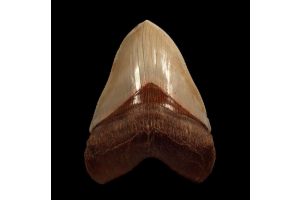
Deep beneath the lush green hills of Indonesia lies a hidden treasure from the prehistoric world—massive fossilized shark teeth belonging to the mighty Megalodon. Within the first layers of limestone, West Java Megalodon teeth gleam like ancient jewels, preserved for millions of years. At Buried Treasure Fossils, we’re proud to share how these incredible relics are discovered, restored, and brought to collectors who share our passion for paleontology. For those fascinated by ancient predators and the science of fossils, the story of how local miners dig for these prehistoric giants is as thrilling as the fossils themselves.
A Window into Prehistoric Oceans
Around 15 million years ago, long before humans walked the Earth, the oceans were ruled by the Megalodon—an enormous shark estimated to reach lengths of over 60 feet. Its name literally means “big tooth,” and for good reason: some teeth measure more than 7 inches long! These powerful predators dominated marine ecosystems, feeding on
- - December 04, 2025
If you have ever wanted to own a piece of ancient history, the Otodus megalodon, So. Carolina teeth are an incredible choice. These giant shark teeth are more than just fossils; they show us the power of one of the largest predators to ever swim the oceans. In this blog, we will explore what makes these teeth from South Carolina so special, why collectors love them, and how you can be part of this exciting prehistoric story.
What Is the Otodus Megalodon?
The Otodus megalodon was a giant shark that lived millions of years ago. It could grow over 60 feet long, which is longer than a school bus. Its teeth are huge and very sharp, with some teeth measuring over seven inches. These teeth are the most common remains we have of this massive shark because its cartilage skeleton did not fossilize well.
Many of these teeth come from the coastal areas of South Carolina. They are dark gray or black, showing how they fossilized in the region’s soil over thousands of years. These teeth are highly
- - December 04, 2025
Imagine holding something so ancient, so powerful, that it connects you directly to one of the largest predators to ever exist. That’s exactly what it feels like when you cradle a real Megalodon tooth in your hand. For anyone curious about where to buy megalodon teeth, this journey goes far beyond collecting fossils—it’s about stepping into the world of prehistoric oceans, unlocking mysteries of evolution, and feeling the excitement that drives ocean science itself.
The Magic of a Prehistoric Giant
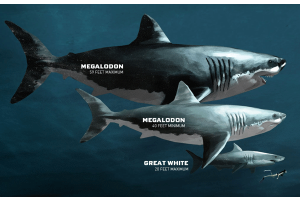
Millions of years ago, the ocean was home to the Megalodon, a shark that dwarfed today’s Great White. Reaching up to 60 feet long and weighing as much as 70 tons, this marine predator ruled the seas with unmatched power. Its teeth, some over seven inches long, are among the largest fossils ever discovered—and they’re the most direct clue we have about this extinct giant’s existence.
When you hold one of these fossilized teeth, you’re literally touching a piece of history from the Miocene and
- - December 04, 2025
Buying a real megalodon tooth should feel exciting, not risky. This quick guide shows you how to spot fakes fast, then double-check with a few deeper tells. Every tip here aligns with what Buried Treasure Fossils sells and guarantees across its Megalodon category. They offer verified fossils from classic localities and even museum quality pieces with no restoration, so you have a solid benchmark to compare against.
The 60-Second Authenticity Check
Stand under natural light. Keep your phone flashlight handy. Then run through these rapid cues:
● Weight & “feel”: Real fossil teeth are mineralized. They feel dense for their size. Replicas often feel light or plasticky when tapped gently against a coin.
● Surface texture: Fossil enamel looks like stone. Slightly matte. Micro-pitted with age. Resin copies look too smooth or “glassy.”
● Serrations: Authentic Megalodon cutting edges show fine, evenly spaced serrations that taper toward the tip. Replicas often have soft, smeared, or repeating
- - December 04, 2025
Somewhere along a quiet shoreline, the tide pulls back and reveals a fragment of time—dark, triangular, and gleaming faintly beneath the sand. Your heart skips a beat as you realize it could be something extraordinary: a relic from one of the most formidable predators that ever lived. Long before humans walked the earth, the megalodon dominated the seas. Today, finding a megalodon tooth connects us to that ancient past in a tangible way, letting us hold millions of years of history in our hands.
The thrill of such a discovery isn’t just about the fossil itself; it’s about the moment of recognition—the instant when you realize you’ve unearthed a piece of Earth’s forgotten story.
Why These Ancient Giants Still Fascinate Us
Megalodons, often measuring more than fifty feet long, once ruled the oceans with unmatched strength. Their massive teeth—some over seven inches—were designed for crushing bone and devouring large prey. Although they disappeared around three million years ago, their presence
- - December 04, 2025
Fossil collectors often search for more than just size or shape. They want character, geological history, and something visually striking. That is where a megalodon tooth in North Carolina stands apart. One glance at its deep red or copper color and curiosity follows. Why do these teeth look different from others found across fossil-rich regions? The answer lies below the surface. Red coloration does not happen by chance. It reflects millions of years of chemical processes, Earth's geological history, and a unique environment. Let us explore why these fossils carry such an eye-catching hue.
Red Coloration Begins in the Ground
Soil chemistry plays a significant role in the transformation of fossils over time. North Carolina offers a unique blend of sediment, water movement, and mineral composition. The ground here contains a higher concentration of iron compared to other regions. When a megalodon tooth rests buried in this iron-rich environment, it absorbs that element gradually. Over thousands
- - December 04, 2025
If you collect prehistoric shark teeth, the dream piece is obvious: the largest megalodon tooth you can find. It looks monumental. It anchors any display. And yes, it usually carries a premium. But is a giant tooth worth it for you? Here’s a clear, buyer-first guide grounded in what Buried Treasure Fossils actually offers collectors and dealers.
What Largest Megalodon Really Means
Collectors use crown height (measured along the slant) to compare teeth. Once a tooth crosses roughly the 6-inch threshold, most consider it “giant” or “trophy-grade.” Larger specimens exist, but each extra fraction of an inch becomes exponentially rarer and pricier. On the site, you’ll see that quality, size, and condition drive desirability; the biggest, best-preserved pieces are the rarest and typically command the most money.
Why the Largest Megalodon Tooth Commands a Premium
A tooth isn’t valuable just because it’s big. It’s the full package:
● Size: Bigger almost always costs more. True giants are
- - December 04, 2025
Fossil hunting tests more than your patience. It sharpens your ability to observe, move, and read the land. Megalodon teeth do not rest in plain sight. They wait, surrounded by layers of time and silence. Most people walk past them without realizing. Suppose you plan to go beyond casual searches and step into focused megalodon tooth hunting. In that case, this guide shows you how to recognize signs others miss. Every detail matters when your goal is to find the rare among the common.
Read the Land Before You Begin Megalodon Tooth Hunting
Start by scanning the ground for contrasts in color and texture. Pale or gray patches may indicate the presence of clay. Compact gravel can point to marine deposits. Examine the areas where rivers once flowed or where erosion has exposed different soil layers. These changes often indicate the presence of older deposits beneath the surface. Train your eyes to notice lines, ridges, and curves that break the pattern of loose soil or rock. Subtle variations
- - December 04, 2025
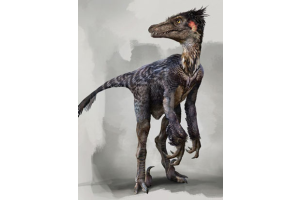
If you’re searching for a “velociraptor tooth Texas,” you’re not alone. It’s a popular phrase. But it often points buyers to North American dromaeosaur teeth, raptor relatives sold with clear provenance, rather than to Velociraptor itself. On Buried Treasure Fossils, you’ll find legally collected raptor teeth from Late Cretaceous formations, including the famous Hell Creek. These are authentic, curated for collectors, educators, and display buyers.
Let’s Describe Velociraptor Tooth in Texas and What It Really Means
Velociraptor is a Mongolian genus. So the phrase “velociraptor tooth Texas” usually reflects buyer intent, not strict scientific accuracy. In practice, shoppers are looking for dromaeosaurid (raptor) teeth from North American formations. Buried Treasure Fossils maintains dedicated raptor categories and regularly lists U.S. pieces with formation and county details.
The store even addresses the Texas angle in its blog, pointing out that collectors often prize North American
- - December 04, 2025
When a man finds a tooth of megalodon in an area most collectors overlook, the discovery forces a shift in how we think about fossil hunting. That single moment speaks to something larger. It challenges the notion that only well-known fossil sites are significant. It reminds us that ancient remnants often lie buried in places where people abandon or ignore them. For fossil collectors, this becomes a real opportunity. This discovery revives questions about land, erosion, timing, and strategy. It opens the door for fresh exploration in spaces we once considered exhausted or unpromising.
Why This Discovery Demands a Fresh Look
Most seasoned collectors follow routines. They search in rivers known for marine fossils or visit places where past discoveries have often happened. That pattern makes sense. These areas build reputations because they deliver. But fossils do not follow public memory. Sediment moves. Water uncovers. Wind and rain reshape the land. What lay hidden ten years ago may now