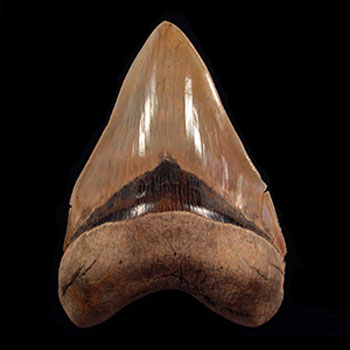
Fossil collectors often search for more than just size or shape. They want character, geological history, and something visually striking. That is where a megalodon tooth in North Carolina stands apart. One glance at its deep red or copper color and curiosity follows. Why do these teeth look different from others found across fossil-rich regions? The answer lies below the surface. Red coloration does not happen by chance. It reflects millions of years of chemical processes, Earth's geological history, and a unique environment. Let us explore why these fossils carry such an eye-catching hue.
Red Coloration Begins in the Ground
Soil chemistry plays a significant role in the transformation of fossils over time. North Carolina offers a unique blend of sediment, water movement, and mineral composition. The ground here contains a higher concentration of iron compared to other regions. When a megalodon tooth rests buried in this iron-rich environment, it absorbs that element gradually. Over thousands of years, the iron binds to the enamel and root. This results in a reddish tint that penetrates the tooth. Unlike surface stains, this coloring runs deep and natural. You do not polish it on or add it later. The Earth makes it.
What Makes These Teeth So Visually Unique
Collectors and fossil enthusiasts recognize North Carolina teeth almost instantly. Their bold color sets them apart in any collection. While most megalodon teeth appear dark grey or brown, these red specimens offer a vibrant contrast. The hues range from burnt orange to deep mahogany. Every tooth has a unique shade, based on how long it was buried and the amount of iron it absorbed. That variation tells its own story. It creates value not only in rarity but also in visual appeal. These are fossils you do not just store. You showcase them.
Iron-rich soil Creates the Signature Look
Red coloring owes its presence to the presence of iron oxide. This mineral acts as a natural dye during the fossilization process. The teeth absorb it during burial. The longer they remain in iron-heavy zones, the deeper and richer their color becomes. This reaction does not happen everywhere. Teeth found in areas with sandier or lime-heavy soil often come out grey, black, or tan instead. However, in the right conditions, such as those along North Carolina’s coastal rivers, the Earth leaves a distinct mark. That geological fingerprint becomes a unique identity that links the fossil to its region.
Color Alone Does Not Determine Value
Rarity and color attract attention, but they do not guarantee high value. Collectors examine each tooth for multiple traits. Color adds interest, but other features still take priority. These include:
● Tooth size and completeness.
● Integrity of the enamel.
● Presence of visible serrations.
● Overall symmetry and shape.
When a red-colored tooth exhibits strong quality across these factors, its demand increases. That is when the color adds to its price. If a tooth carries a rich red hue but lacks sharpness or is badly chipped, collectors may still pass. In short, color helps when other essentials fall into place.
Collectors Recognize the Origin
Fossil enthusiasts who have spent time studying shark teeth can often identify a tooth's origin based on its appearance. Red hues suggest a North Carolina origin to many seasoned eyes. That connection adds context and value. These teeth carry a recognizable fingerprint of their region. They come from places where rivers cut through layers of history, revealing pieces of ancient marine life. Every tooth that emerges from this soil brings with it more than just a shape. It brings time, environment, and identity. The land tells a story through every shade and mineral trace left behind.
Visual Appeal Boosts Collectability
A red tooth often draws the eye first in any fossil display. That natural draw boosts its desirability. Some collectors actively seek out specimens from North Carolina specifically because of their color. Others build collections that showcase regional diversity. A megalodon tooth in North Carolina not only offers that bold red hue but often serves as a centerpiece in such displays. It raises questions and sparks discussion. Visual rarity makes the tooth memorable. This impact usually matters more than size alone. People remember what stands out, and these fossils do.
Authentic Color Comes from Nature, Not Enhancement
Buyers should understand how to identify real coloration. Some sellers may offer artificially enhanced fossils. These may appear red or shiny due to surface treatments. Authentic red teeth from North Carolina do not need polishing or additives. They show subtle gradients. The enamel and root blend naturally in tone. You will notice differences in shade across the surface. The tooth may appear darker at the base and lighter near the tip. These natural shifts reflect how the minerals entered the fossil, not how it was treated. Trustworthy sellers will clarify the tooth's condition and origin.
You Can Trace These Teeth to Specific Locations
Rivers and coastal plains in North Carolina reveal these fossils over time. Shifting water uncovers buried layers and exposes megalodon teeth to collectors—many search along known fossil-rich regions and find specimens washed into banks after heavy rains. Divers explore riverbeds, and surface collectors scan shallow areas. The fossil's location influences its condition. Some teeth emerge whole, while others show wear from water flow. In every case, the region shapes the fossil's story. That context makes North Carolina pieces more than just relics. It makes records of the Earth's ancient movement and chemistry.
Collectors See These Traits as Standouts
Many collectors consider red megalodon teeth from North Carolina to be signature pieces. They look for teeth that feature:
● Naturally vivid color without artificial treatments.
● Clean breaks or complete shapes.
● Strong enamel retention.
● Consistent tones that reflect burial depth.
When a tooth checks these boxes, it attracts immediate interest. Even among advanced collectors, these features distinguish a specimen. People want fossils that stand out for the right reasons. Color becomes part of the narrative, not just a detail. These pieces offer both visual satisfaction and regional significance.
Every Tooth Holds a Layer of History
When someone holds a red megalodon tooth, they have more than fossilized tissue. They carry a fragment of Earth's story. The shark that dropped the tooth vanished long ago. But the conditions that preserved it left behind traces of their own. Iron from the soil, water from the rivers, and time itself shaped what the collector now sees. That link makes the tooth more meaningful. It does not need explanation. It carries weight, color, and texture that reflect deep history. People sense that, even if they do not always name it. The fossil speaks through its presence.
Conclusion
A megalodon tooth in North Carolina reflects more than fossilization. Its red hue tells us how iron-rich soil, water movement, and time worked together. That color does not just decorate the tooth. It reveals the land it came from. It shows a process that shaped more than appearance. While collectors still look for sharp edges and size, the red tone brings something extra. It adds regional identity and visual appeal. That is why these teeth draw such strong attention. They hold beauty, but also evidence. They offer proof of time, place, and transformation beneath our feet.
Footnote
Collectors admire red megalodon teeth from North Carolina for their natural color, which is caused by iron-rich sediment. These rare fossils carry distinct beauty, origin, and geological history in every detail.